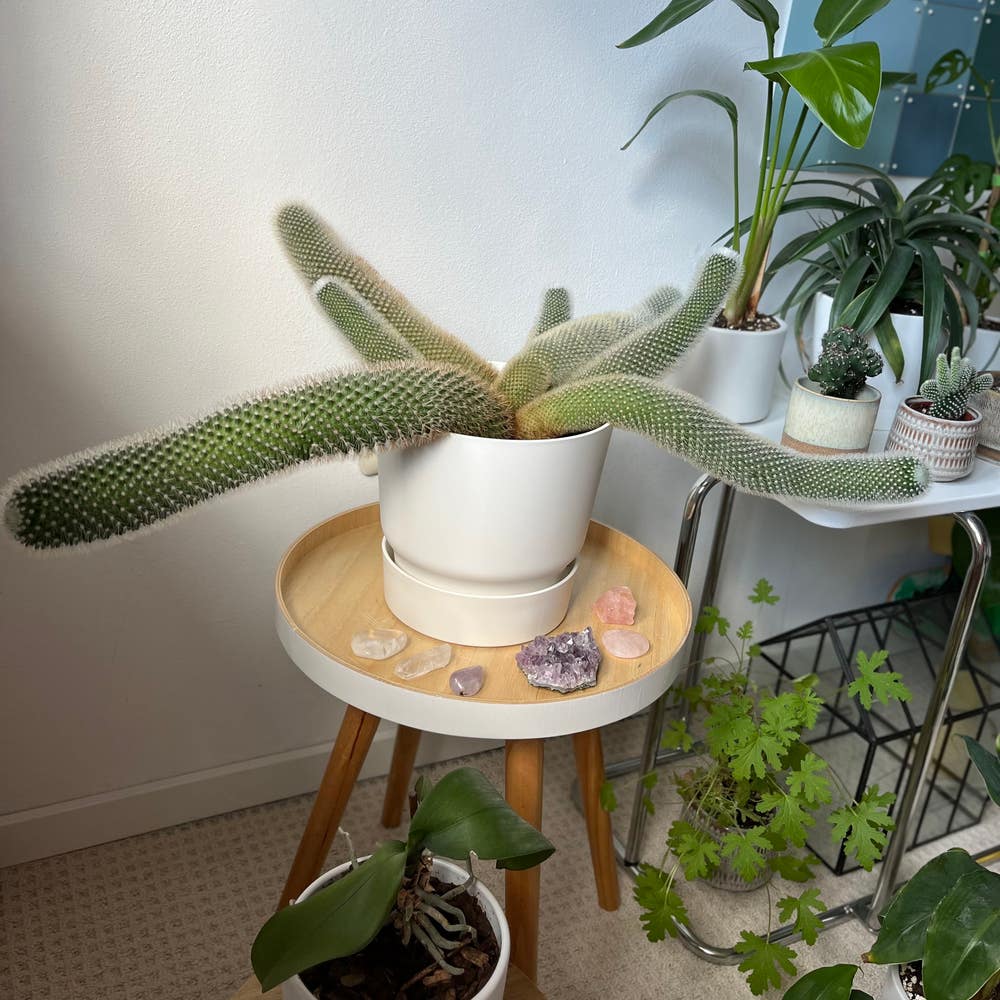
🌵 Lace Hedgehog Cactus: Not an Annual
Echinocereus reichenbachii
By the Greg Editorial Team
Oct 02, 2024•5 min read
This article was created with the help of AI so we can cover more plants for you. May contain errors. See one? Report it here.
Elevate your garden effortlessly with the resilient Lace Hedgehog Cactus, a stunning perennial that thrives on neglect! 🌱
- 🌵 Lace Hedgehog Cactus is a perennial, thriving for decades unlike short-lived annuals.
- 💧 Specialized tissues store water, enabling survival in arid environments and droughts.
- 🌼 Produces multiple blooms yearly, showcasing resilience and adaptability in diverse climates.
Lace Hedgehog Cactus Characteristics
🧬 Genetic Characteristics
The Lace Hedgehog Cactus belongs to the Cactaceae family, showcasing its unique genetic makeup. Its adaptations, such as drought resistance, enable survival in harsh, arid environments.
These cacti feature spines and vibrant flowers, which serve as evolutionary advantages. The spines deter herbivores, while the flowers attract pollinators, ensuring reproduction.
🌱 Physiological Traits Supporting Perennial Classification
One of the standout traits of the Lace Hedgehog Cactus is its ability to store water. Specialized tissues allow it to retain moisture, crucial for thriving in dry conditions.
Additionally, this cactus utilizes CAM (Crassulacean Acid Metabolism) for photosynthesis. This process maximizes water efficiency, making it a master of survival.
The cactus can also enter dormancy during extreme conditions. This ability helps it endure periods of drought or unfavorable weather.
📈 Long-Term Lifecycle and Growth Patterns
Initially, the Lace Hedgehog Cactus exhibits a slow growth rate. However, this gradual development leads to a robust structure over time.
Under optimal conditions, these cacti can live for decades. Their lifespan is a testament to their resilience and adaptability.
Seasonal behavior is another fascinating aspect. Flowering patterns align with environmental cues, ensuring that blooms occur at the most advantageous times.
In summary, the Lace Hedgehog Cactus is a remarkable perennial with unique genetic and physiological traits. Its long-term lifecycle and growth patterns further emphasize its classification as a perennial, setting it apart from annual plants.
Next, we will explore how the lifecycle of the Lace Hedgehog Cactus compares to true annuals.
Lifecycle Comparison
Lifecycle vs. True Annuals 🌱
The Lace Hedgehog Cactus boasts a multi-year lifecycle, distinguishing it from true annuals that complete their life cycle in just one season. This perennial plant undergoes distinct growth phases: establishment, maturity, and dormancy, allowing it to thrive in challenging environments.
Reproductive Strategies 🌼
Seed production in Lace Hedgehog Cactus is carefully timed to ensure optimal dispersal conditions. Additionally, it employs asexual reproduction through offsets, which helps the cactus spread and establish itself in new areas.
Flowering and Seed Production Differences 🌸
One of the most striking differences is flowering frequency. Unlike annuals that bloom just once, the Lace Hedgehog Cactus produces multiple blooms over the years, showcasing its resilience. Furthermore, its seeds have long-term viability, allowing them to remain dormant until conditions are just right for germination.
This unique lifecycle and reproductive strategy not only contribute to the cactus's survival but also enhance its appeal in garden design. As we explore the next section, we'll delve into the regional variations and common misconceptions surrounding this fascinating plant.
Regional Variations and Misconceptions
🌪️ Conditions Leading to Misclassification
Extreme weather can easily lead to the misinterpretation of the Lace Hedgehog Cactus as an annual. Prolonged drought or unexpected frost may cause the cactus to enter dormancy, making it appear lifeless when, in fact, it’s simply conserving energy.
Poor soil conditions can also contribute to this confusion. When the cactus struggles to thrive, its stunted growth might resemble the behavior of annual plants, leading gardeners to mistakenly classify it as a short-lived species.
🌍 Exceptions in Different Climates
The adaptability of the Lace Hedgehog Cactus is remarkable. Its growth patterns can vary significantly based on local climate conditions, allowing it to thrive in diverse environments.
However, this adaptability can also lead to misidentification. In non-native settings, the cactus may exhibit behaviors that confuse even seasoned gardeners, reinforcing the importance of understanding its true perennial nature.
As we explore the implications of these misconceptions, it’s essential to recognize how they can influence garden design and plant care strategies.
Garden Design Implications
🌵 Advantages in Perennial Planting
Lace Hedgehog Cactus is a fantastic choice for low-maintenance gardening. Its drought-resistant nature means you can enjoy a vibrant garden without constant upkeep.
The unique spines and seasonal blooms of this cactus add a striking visual element. They create a focal point that can elevate the overall aesthetic of your garden.
🌿 Tips for Integration
When integrating Lace Hedgehog Cactus into your garden, consider its placement carefully. It thrives in full sun and requires well-drained soil to flourish.
Companion planting can enhance its growth and visual appeal. Pair it with other drought-tolerant plants to create a cohesive and resilient garden design.
Incorporating Lace Hedgehog Cactus not only beautifies your space but also promotes a sustainable gardening approach. This resilient plant can inspire you to explore more perennial options in your landscape design.
Management and Longevity
🌱 Best Practices for Perennial Management
To keep your Lace Hedgehog Cactus thriving, focus on an infrequent but deep watering schedule. This approach encourages robust root growth, allowing the plant to tap into moisture reserves.
Fertilization is straightforward; these cacti have minimal nutrient requirements. Opt for organic options to maintain soil health without overwhelming the plant.
⏳ Tips for Maximizing Longevity
Seasonal care is crucial. Regularly monitor for pests and diseases during the active growth period to catch any issues early.
Environmental considerations also play a significant role in longevity. Protect your cactus from extreme weather conditions to ensure its survival and continued growth.
By following these management tips, you can enjoy the beauty of your Lace Hedgehog Cactus for years to come. Next, let’s explore how to integrate this unique plant into your garden design.
⚠️ Safety First
This content is for general information and may contain errors, omissions, or outdated details. It is not medical, veterinary advice, or an endorsement of therapeutic claims.
Always consult a qualified healthcare professional before using any plant as food, medicine, or supplement.
Never eat any plant (or feed one to pets) without confirming its identity with at least two trusted sources.
If you suspect poisoning, call Poison Control (800) 222-1222, the Pet Poison Helpline (800) 213-6680, or your local emergency service immediately.
Spotted an error? Please report it here.
Unlock the secrets to thriving perennials 🌱 like the Lace Hedgehog Cactus with Greg's tailored watering reminders and expert care tips for a flourishing garden!