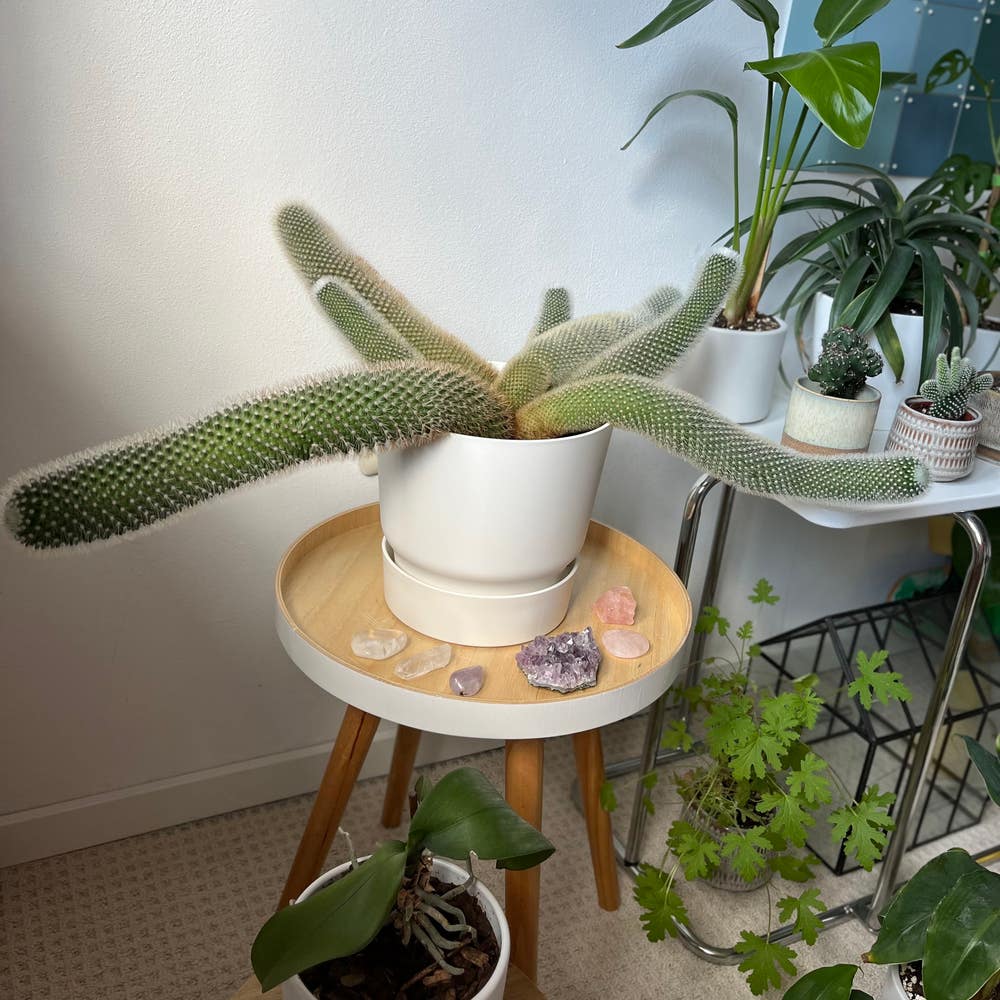
Best Potting Soil Mix for Lace Hedgehog Cactus
Echinocereus reichenbachii
By the Greg Editorial Team
Jun 08, 2024•4 min read
This article was created with the help of AI so we can cover more plants for you. May contain errors. See one? Report it here.
Discover the secret to a perky Lace Hedgehog Cactus 🌵—mix the perfect soil for unstoppable growth!
- Yellowing and musty odor? Your cactus soil needs a fix.
- Homemade mix beats store-bought for tailored cactus care.
- Annual soil refresh keeps your Lace Hedgehog Cactus thriving.
Spotting and Fixing Unhappy Cactus Soil
🚨 Recognizing the SOS Signs from Your Soil
Yellowing cactus? That's your plant waving a white flag. If your cactus's soil is too wet, compacted, or has a musty odor, it's time for a soil intervention. Compaction is like tight shoes for roots; they need room to breathe. Mold is the uninvited guest at the party, stealing nutrients and bringing rot along for the ride.
🚒 The Rescue Mission for Troubled Soil
For waterlogged soil, think of it as a no-swim zone for your cactus. Quick fixes? Repot with fresh, well-draining soil and adjust your watering habits. Your cactus prefers a sip, not a gulp. To prevent mold's return, ensure your pot has good airflow and is not a moisture trap.
Adjusting your soil's texture is like fluffing a pillow for optimal comfort; mix in coarse sand or perlite to keep it loose and airy. This tweak to the soil's drainage can turn your cactus's frown upside down. Remember, a happy cactus is all about the right balance of dryness and support.

The Ideal Potting Mix Ingredients
🌵 What Your Cactus Wants: Key Components
Your Lace Hedgehog Cactus craves a well-draining sanctuary. Key players in this gritty drama include coarse sand and perlite, ensuring excess water waves goodbye as quickly as it comes. Other ensemble members like pumice or lava rock can also take a bow for their stellar drainage performance.
Store-Bought vs. Home-Made: Pros and Cons
Store-bought mixes might be the quick fix, but they're like fast food—easy but not always ideal. Brands like Dr. Earth and Bonsai Jack get the thumbs up, but watch out; some may be too dense, like a bad plot twist. DIY mixes? They're the indie films of soil—crafted to your cactus's script, with organic ingredients stealing the show. Sure, you might need a few takes to get it right, but the final cut could be award-winning. Just remember, whether you're a soil Spielberg or a novice, the end goal is a blockbuster mix that doesn't drown your spiky star.

Crafting the Perfect Home-Made Soil Mix
🌵 The Recipe for Success
Mixing your own cactus soil is like becoming a backstage manager for a rockstar plant. Here's how to get the mix just right:
- Gather your materials: You'll need a container or bucket, a measuring scoop, perlite, coarse sand or horticultural grit, low-nutrient potting compost, and pine bark.
- Mix it up: Aim for a blend that's one part potting soil, one part coarse sand, and one part perlite. This isn't a cake recipe; precision is good, but feel free to riff a little.
- Ensure drainage: Check that your pots have drainage holes. If they don't, your cactus will be sitting in a swamp, and no one wants that.
- Plant and water: Fill your pots with the mix, plant your cactus, and water gently to settle everything in place. Remember, cacti are the camels of the plant world – they don't need a flood.
🎨 Fine-Tuning the Mix
Your cactus is unique, and sometimes it demands a customized mix. Here's how to tailor your soil like a bespoke suit:
- Adjust the texture: If your cactus is a diva and needs better drainage, increase the sand or perlite. If it's a bit more laid-back, you can up the compost.
- Monitor pH levels: Cacti prefer their soil more on the acidic side, like a tart lemonade. Aim for a pH between 6.0 and 7.5. Adjust with limestone or sulfur if needed.
- Sterilize: Zap your soil ingredients in the microwave for a few minutes or bake them to avoid uninvited fungal raves.
- Observe and adapt: Keep an eye on your cactus. If it's thriving, you've nailed it. If not, don't be afraid to remix and try again.

Maintaining Soil Health Long-Term
🌱 Regular Check-Ups for Your Soil
Vigilance is your cactus's best friend when it comes to soil health. Like checking your car's oil, a monthly soil inspection can prevent a breakdown. Texture and smell are your go-to indicators; if the soil feels more like a dense cake than a crumbly brownie, it's time to fluff it up. A sour scent is a distress signal—don't ignore it.
🔄 When to Refresh Your Cactus's Soil
Your Lace Hedgehog Cactus isn't shy about telling you when it's time for a change. If you notice a slump in growth or a case of the droops, it's likely shouting for fresh soil. Aim to repot with a new mix annually, or sooner if the soil screams 'exhausted'. Remember, consistency is your soil's best friend, so keep those pH levels as steady as a surgeon's hand.
⚠️ Safety First
This content is for general information and may contain errors, omissions, or outdated details. It is not medical, veterinary advice, or an endorsement of therapeutic claims.
Always consult a qualified healthcare professional before using any plant as food, medicine, or supplement.
Never eat any plant (or feed one to pets) without confirming its identity with at least two trusted sources.
If you suspect poisoning, call Poison Control (800) 222-1222, the Pet Poison Helpline (800) 213-6680, or your local emergency service immediately.
Spotted an error? Please report it here.
Ensure your Lace Hedgehog Cactus thrives with a custom soil mix 🌵 and let Greg remind you when it's time for a health check-up or repotting.