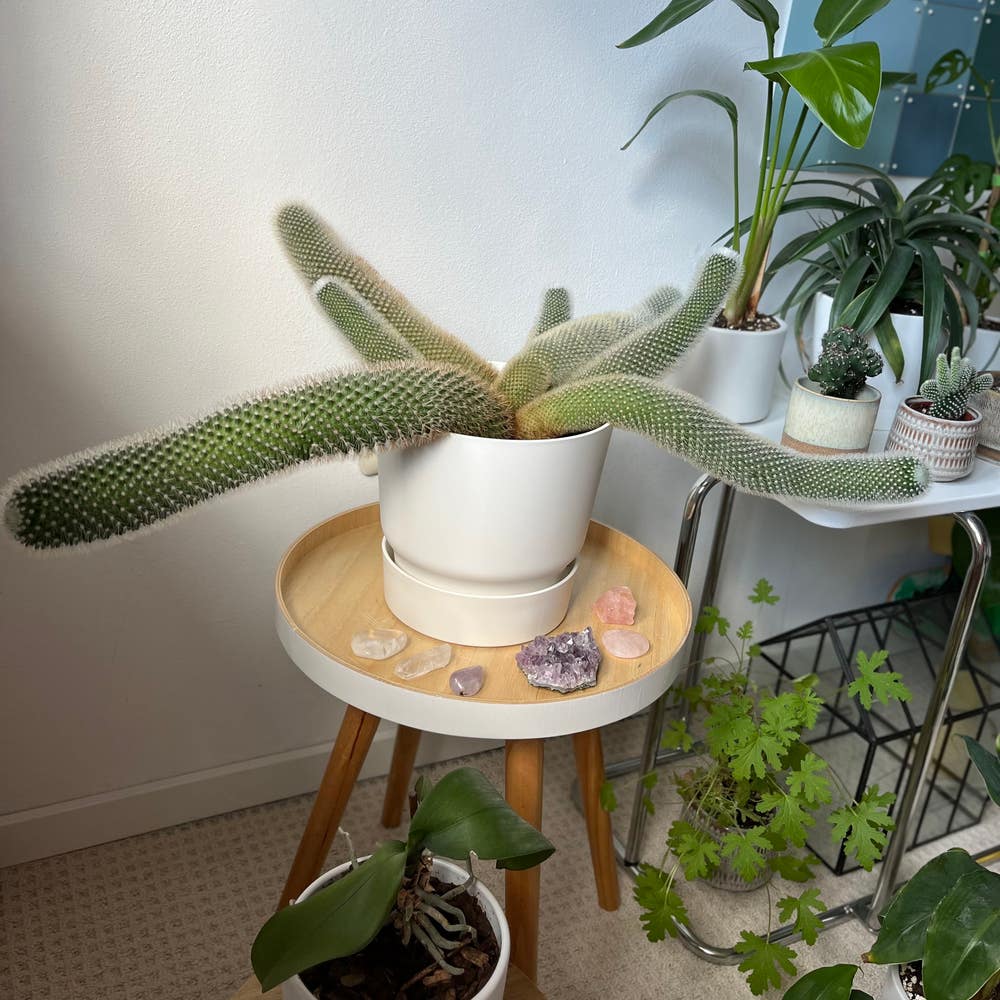
Common Lace Hedgehog Cactus Problems
Echinocereus reichenbachii
By the Greg Editorial Team
Jun 08, 2024•5 min read
This article was created with the help of AI so we can cover more plants for you. May contain errors. See one? Report it here.
Safeguard your cactus's health by mastering these essential care tips! 🌵✨
- 🌵 Over and under-watering cause soft or shriveled stems; water wisely.
- ☀️🌑 Balance sunlight exposure—too much or too little harms cacti.
- 🌡️ Maintain 70-100°F day and 50-70°F night temperatures for healthy cacti.
Thirsty or Drowning? Watering Woes Unraveled
💧 Over-watering Hazards
Soft stems and a soil scent that's off are distress flares from an over-watered Lace Hedgehog Cactus. To rescue, let the soil dry like a desert airstrip. If it's a real swamp, consider a pot change to prevent root rot. Ease up on the water; your cactus isn't a fish.
🏜️ The Perils of Under-watering
Shriveled stems and soil as dry as a stand-up comedian's wit scream neglect. Hydrate your cactus with a deep, thorough watering when the top inch of soil feels like a dry summer day. Remember, these guys are desert-born; they can handle a bit of tough love.

Sunburnt or Starved for Light? Finding the Sweet Spot
⛅️ Too Much Sun
Symptoms of a sunburnt cactus include unsightly spots and a faded, washed-out appearance. It's like your cactus is waving a white flag in surrender to the sun's relentless rays.
Shading Strategies
To protect your cactus from harsh sunlight, relocate it to a spot with bright, indirect light. Consider using sheer curtains as a sunscreen or create shade during peak sun hours. It's about finding that cozy middle ground where your cactus can bask without baking.
🌞 Not Enough Light
A cactus deprived of light gets all stretchy and pale, a clear sign it's yearning for more sunshine. It's a growth gone wrong scenario, and nobody wants a lanky cactus.
💡 Lighting It Right
Ensure your cactus gets its daily dose of sunshine by placing it in a spot with 4-6 hours of indirect sunlight. If natural light is scarce, artificial grow lights can be a game-changer, just don't overdo it—no one's after a cactus tan.

Temperature Tantrums: Keeping Your Cactus Comfy
In the life of a Lace Hedgehog Cactus, temperature is the silent DJ, setting the vibe for growth or gloom.
🌡️ Spotting Discomfort
Shivering or sweating—your cactus feels it too. If it's too cold, you might find it playing dead, while too hot, it's like a wilted marathon runner.
🌡️ Stabilizing the Climate
Thermometer in hand, aim for a balmy 70-100°F (21-38°C) during the day, with a slight dip to 50-70°F (10-21°C) at night.
🌬️ Drafts and Sudden Changes
Drafts are the party crashers of temperature control. Keep your cactus away from the chaos of open windows and the icy stare of AC vents.
🌬️ Practical Tips for Stability
Find a Goldilocks spot for your cactus—not too hot, not too cold. Consistency is your cactus's best friend.
🌬️ Keeping Cool
When Jack Frost is in town, ease up on the watering. Overwatering in the cold is like ice skating in flip-flops—just don't.
🌬️ Gradual Temperature Adjustment
If your cactus has been left out in the cold, don't throw it into a sauna. Warm it up gradually to avoid further shock.
🌬️ Adjusting Humidity
Consider a cool-mist humidifier if your cactus is thirstier than a tourist in the Sahara. It's the cherry on top of the cactus cake.
Keep these tips in mind, and your cactus will be as chill as a cucumber in a hipster's gin and tonic—without the risk of a hangover.

Uninvited Guests: Tackling Pests and Pathogens
🐜 Pesty Problems
Identifying and Evicting Common Cactus Critters
Cactus enthusiasts, beware: pests are the party crashers of the plant world. Mealybugs look like tiny cotton swabs dabbling in plant juices, while spider mites leave behind a telltale webbing. If you spot these freeloaders, it's eviction time. A good blast of water or a swipe with 70% isopropyl alcohol can send them packing. For a more targeted approach, insecticidal soap or neem oil are your bouncers, showing these bugs the door.
Keeping Pests at Bay
Prevention is your cactus's best friend. Quarantine new plants to avoid introducing pests to your existing collection. Regular inspections are the equivalent of a security check; catch the problem early, and you avoid a full-blown infestation. Consider introducing beneficial insects, like ladybugs, as your garden's bodyguards. They're not just pretty; they're hungry for pests.
🍄 Fungal Foes
Spotting and Stopping Fungus in Its Tracks
Fungus is the silent crasher lurking in the shadows. Mold and mildew can appear as fuzzy outcasts on the soil surface or as unsightly blights on your cactus. If you detect a musty odor or see a suspicious fuzz, it's time to act. Fungicides like Tebuconazole can be the muscle you need, but use them judiciously and according to the label.
Creating a Fungus-Free Zone
To prevent fungal gatecrashers, think about the ambiance. Airflow is key; a fan can discourage stagnant air that fungi love. Keep the humidity in check; too much moisture is like an open bar for fungal pests. Ensure your cactus's pot has proper drainage and avoid overwatering—soggy soil is a fungus's playground. Keep it dry, keep it clean, and your cactus will thank you by staying healthy and vibrant.
Root Rot: The Silent Killer
👃 Sniffing out Root Rot
Root rot is like a bad roommate; it's a problem that festers unseen until the damage is done. Look for roots that have gone from a healthy white to a sickly brown or black. If they're as mushy as week-old birthday cake and smell like something died, you've got root rot.
🏥 Root Revival
To save your cactus from this underground assassin, you'll need to perform some root surgery. With sterilized precision, cut away the rotted parts. It's like giving your cactus a life-saving haircut. Post-op care involves a fresh pot with drainage holes and a well-draining soil mix—think of it as a sterile recovery room for your prickly patient.
🛡️ Preventative Measures
Prevention is like the superhero of plant care—always better than a cure. Water wisely: only when the soil feels like a dry martini to the touch. Keep an eye on the drainage, and remember, your cactus prefers a drink now and then, not a flood.
⚠️ Safety First
This content is for general information and may contain errors, omissions, or outdated details. It is not medical, veterinary advice, or an endorsement of therapeutic claims.
Always consult a qualified healthcare professional before using any plant as food, medicine, or supplement.
Never eat any plant (or feed one to pets) without confirming its identity with at least two trusted sources.
If you suspect poisoning, call Poison Control (800) 222-1222, the Pet Poison Helpline (800) 213-6680, or your local emergency service immediately.
Spotted an error? Please report it here.
Prevent pesky problems 🌵 with your Lace Hedgehog Cactus by letting Greg's tailored care reminders and community advice keep root rot and sunburn at bay.