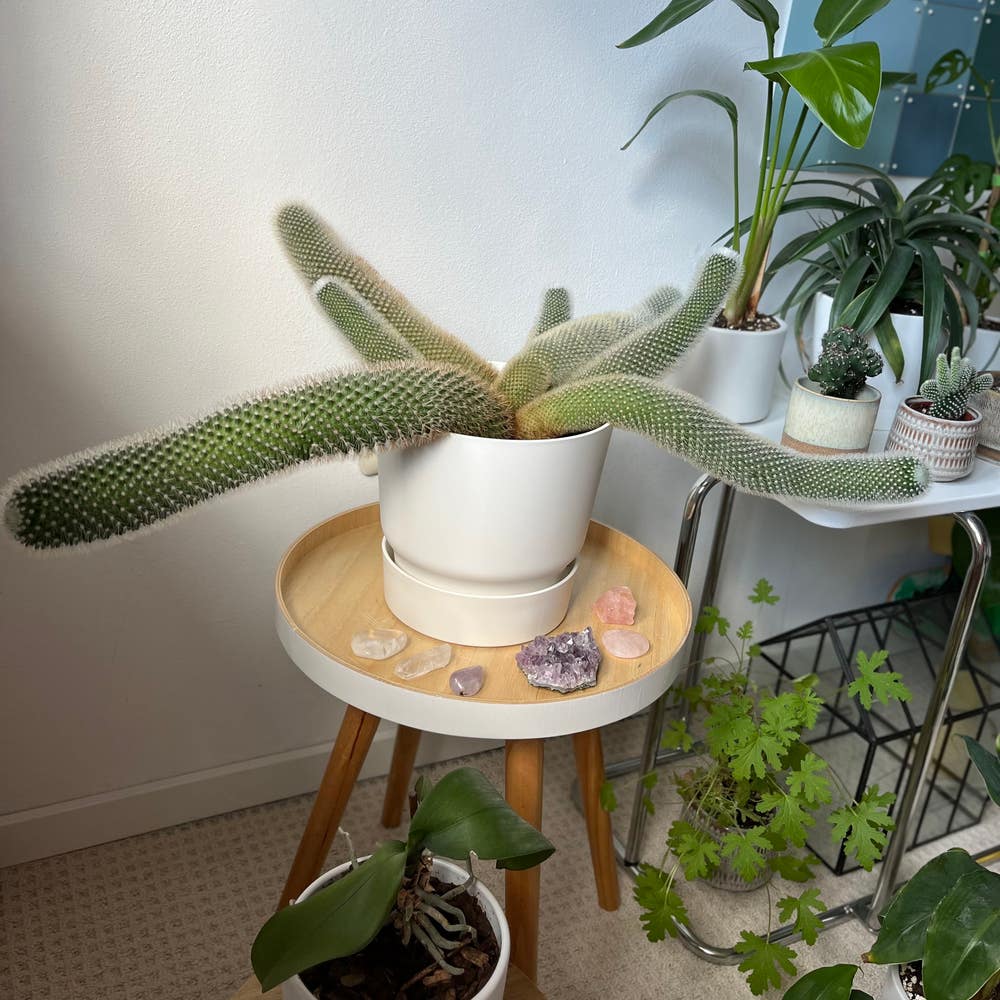
Lace Hedgehog Cactus is Not an Invasive Plant 🦔
Echinocereus reichenbachii
By the Greg Editorial Team
Oct 02, 2024•5 min read
This article was created with the help of AI so we can cover more plants for you. May contain errors. See one? Report it here.
Elevate your garden's beauty and biodiversity 🌵 with the sustainable, non-invasive Lace Hedgehog Cactus!
- 🌵 Lace Hedgehog Cactus is native, co-evolved with local ecosystems, and non-invasive.
- 🐝🌼 Attracts pollinators like bees and butterflies, enhancing garden biodiversity.
- 💧 Drought-tolerant and low-maintenance, perfect for sustainable xeriscaped gardens.
Plant Classification
Definition of Invasive Species 🌱
Invasive species are non-native plants that spread aggressively. They outcompete local flora, disrupting ecosystems and causing harm to native species.
Why Lace Hedgehog Cactus is Not Invasive 🌵
The Lace Hedgehog Cactus is native to its growing regions, having co-evolved with local ecosystems. This connection means it thrives without overwhelming its surroundings.
Environmental factors like soil type and water availability limit its growth. Additionally, its clumping growth habit restricts spread, making it manageable in gardens.
This cactus is a great choice for gardeners looking to enhance their landscapes without the worry of invasiveness. Its natural growth patterns support local biodiversity while adding beauty to the environment.
As we explore its growth habits next, you'll see how this plant fits perfectly into xeriscaped designs.
Growth Habits
🌱 Typical Growth Patterns in Gardens
The Lace Hedgehog Cactus grows in low, clumping formations, typically reaching heights of 12 to 24 inches. In spring, it bursts into vibrant blooms that attract essential pollinators like bees and butterflies.
This cactus thrives in well-drained soil and requires minimal water, making it perfect for xeriscaped environments. Its unique growth habit not only adds beauty but also supports local wildlife.
🌵 Natural Limits to Growth and Spread Potential
This cactus prefers sandy or rocky soils with excellent drainage, which limits its spread. It's drought-tolerant and needs infrequent watering once established, making it a low-maintenance choice for gardeners.
With a slow to moderate growth rate, the Lace Hedgehog Cactus expands primarily through offsets rather than aggressive spreading. This characteristic ensures it remains manageable in any garden setting.
Incorporating the Lace Hedgehog Cactus into your garden not only enhances its aesthetic appeal but also promotes a sustainable ecosystem. Next, we’ll explore its ecological role and the benefits it brings to local wildlife.
Ecological Role
🌱 Benefits to Local Ecosystems
The Lace Hedgehog Cactus plays a vital role in local ecosystems. It provides essential habitat and food for various wildlife, including pollinators like bees and small mammals.
This cactus also contributes to soil stabilization in arid environments. By preventing erosion, it helps maintain the integrity of the landscape, ensuring that other plants can thrive.
🦋 Interactions with Wildlife and Other Plants
One of the most fascinating aspects of the Lace Hedgehog Cactus is its ability to attract beneficial insects. This not only enhances biodiversity in gardens but also supports the overall health of the ecosystem.
Moreover, it coexists harmoniously with other native plants. This interaction promotes a balanced ecosystem, allowing various species to flourish together, creating a vibrant and resilient environment.
Incorporating the Lace Hedgehog Cactus into your garden not only beautifies your space but also fosters a thriving ecosystem. Its ecological benefits make it a wonderful addition to any landscape, paving the way for a more sustainable gardening approach.
As we explore how to manage this cactus in garden designs, consider the positive impact it has on the environment.
Garden Management
Incorporating Lace Hedgehog Cactus into Garden Designs 🌵
Lace Hedgehog Cactus is a fantastic choice for xeriscaping. Its low, clumping growth makes it perfect for rock gardens, borders, or as ground cover.
For optimal growth, plant these cacti 12-18 inches apart. This spacing allows for natural clumping and ensures good airflow, which is essential for their health.
Growth Control Methods for Aesthetic Purposes ✂️
Regular monitoring is key to maintaining the beauty of your garden. Keep an eye on the clumping to ensure it doesn’t become too dense.
Pruning spent flowers not only enhances appearance but also encourages new blooms. This simple practice keeps your garden vibrant and inviting.
Incorporating Lace Hedgehog Cactus into your garden design offers both aesthetic appeal and practical benefits. As you plan your space, consider how these unique plants can thrive while adding character to your landscape.
Next, let’s explore how Lace Hedgehog Cactus interacts with local ecosystems and supports biodiversity.
Comparison to Other Plants
🌵 Similar Non-Invasive Plants
When considering non-invasive native cacti, the Fishhook Barrel Cactus and Claret Cup Cactus stand out. The Fishhook Barrel Cactus is known for its rounded shape and vibrant yellow flowers, while the Claret Cup Cactus showcases stunning red blooms.
Each of these cacti has unique growth habits. The Fishhook Barrel tends to grow solitary, while the Claret Cup often forms clusters. These differences make them appealing for various garden designs, yet they all share the same non-invasive traits as the Lace Hedgehog Cactus.
✨ Unique Qualities of Lace Hedgehog Cactus
What sets the Lace Hedgehog Cactus apart are its distinctive lace-like spines. These spines not only add texture but also create a striking visual contrast in any landscape.
In spring, the Lace Hedgehog Cactus bursts into vibrant blooms, offering a seasonal spectacle. This combination of unique aesthetics and ecological benefits makes it a fantastic choice for gardeners looking to enhance biodiversity while keeping their landscapes beautiful.
As we explore the ecological role of the Lace Hedgehog Cactus, we’ll uncover how it contributes to local ecosystems and interacts with wildlife.
Legal and Environmental Considerations
🌍 Relevant Classifications and Guidelines
When incorporating Lace Hedgehog Cactus into your garden, it's essential to check local regulations. Many areas have specific guidelines regarding native plant landscaping and conservation efforts.
Understanding these regulations helps ensure that your gardening practices align with environmental preservation goals. This awareness can also enhance your garden's ecological impact.
♻️ Role in Sustainable Gardening Practices
Lace Hedgehog Cactus plays a vital role in sustainable gardening. It promotes water conservation, especially when used in xeriscaping designs.
By attracting native pollinators and wildlife, this cactus supports local biodiversity. Its presence encourages the use of native plants, which reduces the need for chemical fertilizers and pesticides.
Incorporating this cactus not only beautifies your space but also contributes positively to the environment. It’s a win-win for both your garden and the ecosystem.
As you consider adding Lace Hedgehog Cactus to your landscape, think about how it fits into broader sustainability practices. This mindful approach can lead to a thriving garden that benefits both you and the local wildlife.
Next, let’s explore how Lace Hedgehog Cactus compares to other non-invasive plants in your garden.
⚠️ Safety First
This content is for general information and may contain errors, omissions, or outdated details. It is not medical, veterinary advice, or an endorsement of therapeutic claims.
Always consult a qualified healthcare professional before using any plant as food, medicine, or supplement.
Never eat any plant (or feed one to pets) without confirming its identity with at least two trusted sources.
If you suspect poisoning, call Poison Control (800) 222-1222, the Pet Poison Helpline (800) 213-6680, or your local emergency service immediately.
Spotted an error? Please report it here.
Discover the ecological charm of the Lace Hedgehog Cactus 🌵 and let Greg provide tailored watering reminders to help your garden thrive sustainably!