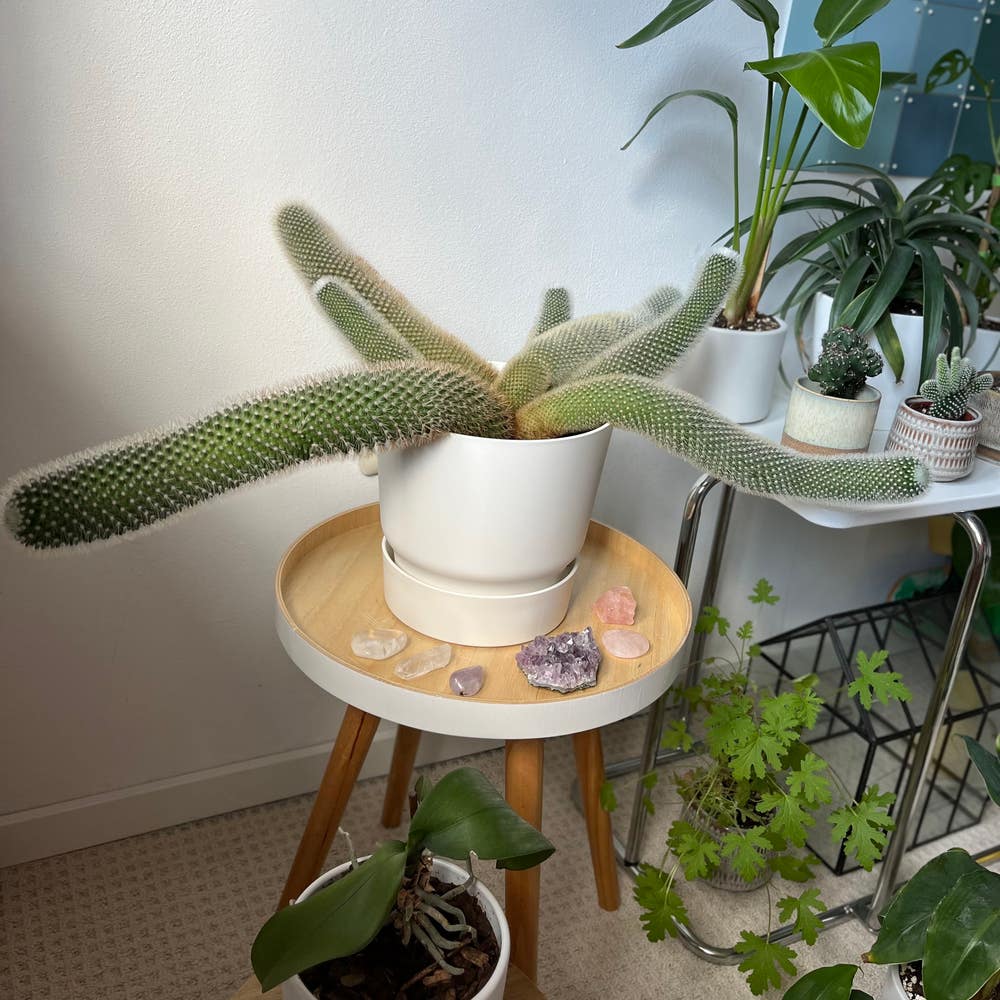
3 Key Aspects of Lace Hedgehog Cactus Size 🌵
Echinocereus reichenbachii
By the Greg Editorial Team
Oct 02, 2024•5 min read
This article was created with the help of AI so we can cover more plants for you. May contain errors. See one? Report it here.
Transform your garden with a thriving Lace Hedgehog Cactus 🌵 by mastering its growth secrets and care tips!
- 🌵 Lace Hedgehog Cactus grows 12-24 inches tall and spreads 12-18 inches wide.
- ☀️ Optimal sunlight and soil are crucial for faster growth and size.
- ⏳ Maturity takes 3-5 years; patience is key for gardeners.
Mature Height and Spread
Typical Dimensions 🌵
The Lace Hedgehog Cactus typically matures to a height of 12 to 24 inches. Its spread usually ranges from 12 to 18 inches, making it a striking addition to any garden.
Factors Affecting Size 📏
Several factors can influence the size of your cactus. Environmental conditions, such as optimal sunlight, soil type, and proper watering practices, are crucial for achieving maximum growth.
Younger plants may not reach their full size until they’ve had several years to grow. Patience is key when nurturing these unique cacti, as they develop their impressive stature over time.
Understanding these dimensions and factors can help you create the ideal environment for your Lace Hedgehog Cactus. With the right care, you can enjoy its beauty and unique characteristics for years to come.
As we explore the growth rate and time to maturity, you'll discover how these aspects further shape your cactus's journey.
Growth Rate and Time to Maturity
🌱 Growth Rate
The growth rate of the Lace Hedgehog Cactus can vary significantly based on environmental factors. Under optimal conditions, you might see faster growth, while less-than-ideal circumstances can slow it down considerably.
⏳ Time to Maturity
Typically, this cactus reaches its full size within 3 to 5 years when grown in ideal conditions. However, factors like soil quality and climate can either extend or shorten this timeframe, making each plant's journey unique.
🔑 Key Influencers on Growth
- Soil Quality: Nutrient-rich, well-draining soil promotes healthy growth.
- Climate: Warmer temperatures and adequate sunlight can speed up the maturation process.
Understanding these aspects can help you create the best environment for your Lace Hedgehog Cactus, ensuring it thrives and reaches its full potential. Next, let’s explore how different varieties of this cactus can vary in size and characteristics.
Size Variability Among Varieties
🌱 Dwarf Varieties
Dwarf lace hedgehog cacti are charming little plants, typically reaching a maximum height of 6-10 inches. Their compact size makes them perfect for small spaces or container gardening, allowing you to enjoy their unique beauty without needing a large garden.
🦙 Giant Varieties
On the other end of the spectrum, giant lace hedgehog cacti can exceed 24 inches in height. These impressive specimens stand out with their striking stature and unique appearance, making them a focal point in any landscape.
Understanding the size variability among these varieties helps you choose the right cactus for your space. Whether you opt for a dwarf or a giant, each type brings its own charm and character to your garden.
As you consider which variety to plant, think about your available space and the visual impact you want to achieve. This will guide you in making the best choice for your gardening needs.
Influence of Growing Conditions
🌱 Soil Type and Size Impact
Well-draining soil is crucial for the Lace Hedgehog Cactus. It not only supports optimal growth but also significantly influences the plant's overall health and size.
Sandy or rocky soils are particularly beneficial. They promote better drainage, allowing roots to thrive without the risk of waterlogging.
☀️ Light Requirements and Growth
Sunlight exposure plays a vital role in the cactus's growth. Ideally, it should receive full sun for 6-8 hours daily to achieve its maximum potential.
On the flip side, insufficient light can stunt growth. Cacti deprived of sunlight often end up smaller and less vibrant.
💧 Watering Practices and Size Control
Watering frequency is another key factor. Infrequent but deep watering encourages the development of deeper root systems, which can lead to a larger cactus.
However, overwatering is a common pitfall. It can cause root rot, ultimately stunting growth and harming the plant's health.
Understanding these growing conditions can empower you to cultivate a thriving Lace Hedgehog Cactus. With the right soil, light, and watering practices, you can help your cactus reach its full potential.
Next, let’s explore how pruning can further influence the size and health of your cactus.
Pruning and Size Management
Techniques for Pruning 🌿
Pruning your Lace Hedgehog Cactus is essential for maintaining its health and size. Focus on removing dead or damaged spines to encourage robust growth.
Using clean, sharp pruning shears is crucial. This prevents injury to the plant and ensures a clean cut, promoting quicker healing.
Timing and Frequency of Pruning ⏰
The best time to prune is late winter or early spring. This timing allows the cactus to recover before the growing season kicks in.
Aim to prune annually or as needed, depending on the growth and health of your cactus. Regular checks will help you determine when it’s time for a trim.
Effects of Pruning on Growth Rate and Size 📈
Pruning can lead to bushier growth, enhancing the overall appearance of your cactus. It also helps control its size, making it easier to manage in your garden or container.
However, be cautious not to over-prune. Excessive trimming can stress the plant, potentially slowing its growth and affecting its health.
Understanding these pruning techniques will help you nurture your Lace Hedgehog Cactus effectively. With the right care, you can enjoy a thriving, beautifully shaped plant that adds character to your space.
Next, let’s explore how various growing conditions influence the size of your cactus.
⚠️ Safety First
This content is for general information and may contain errors, omissions, or outdated details. It is not medical, veterinary advice, or an endorsement of therapeutic claims.
Always consult a qualified healthcare professional before using any plant as food, medicine, or supplement.
Never eat any plant (or feed one to pets) without confirming its identity with at least two trusted sources.
If you suspect poisoning, call Poison Control (800) 222-1222, the Pet Poison Helpline (800) 213-6680, or your local emergency service immediately.
Spotted an error? Please report it here.
Unlock the full potential of your Lace Hedgehog Cactus 🌵 with Greg's tailored care tips and watering reminders to ensure it thrives beautifully in your garden!