Ultimate Guide to What's Eating Your Brazilian Edelweiss 🐞
Sinningia leucotricha
By the Greg Editorial Team
Sep 30, 2024•7 min read
This article was created with the help of AI so we can cover more plants for you. May contain errors. See one? Report it here.
Safeguard your Brazilian Edelweiss 🌼 from herbivores and attract beneficial wildlife for a flourishing garden!
- 🌼 Brazilian Edelweiss attracts wildlife but is threatened by herbivores like deer and rabbits.
- 🦌 Signs of herbivore damage include chewed leaves and droppings; monitor regularly.
- 🌱 Deterrents like sprays and fencing can protect your Brazilian Edelweiss effectively.
Description and Appeal
Appearance and Characteristics 🌼
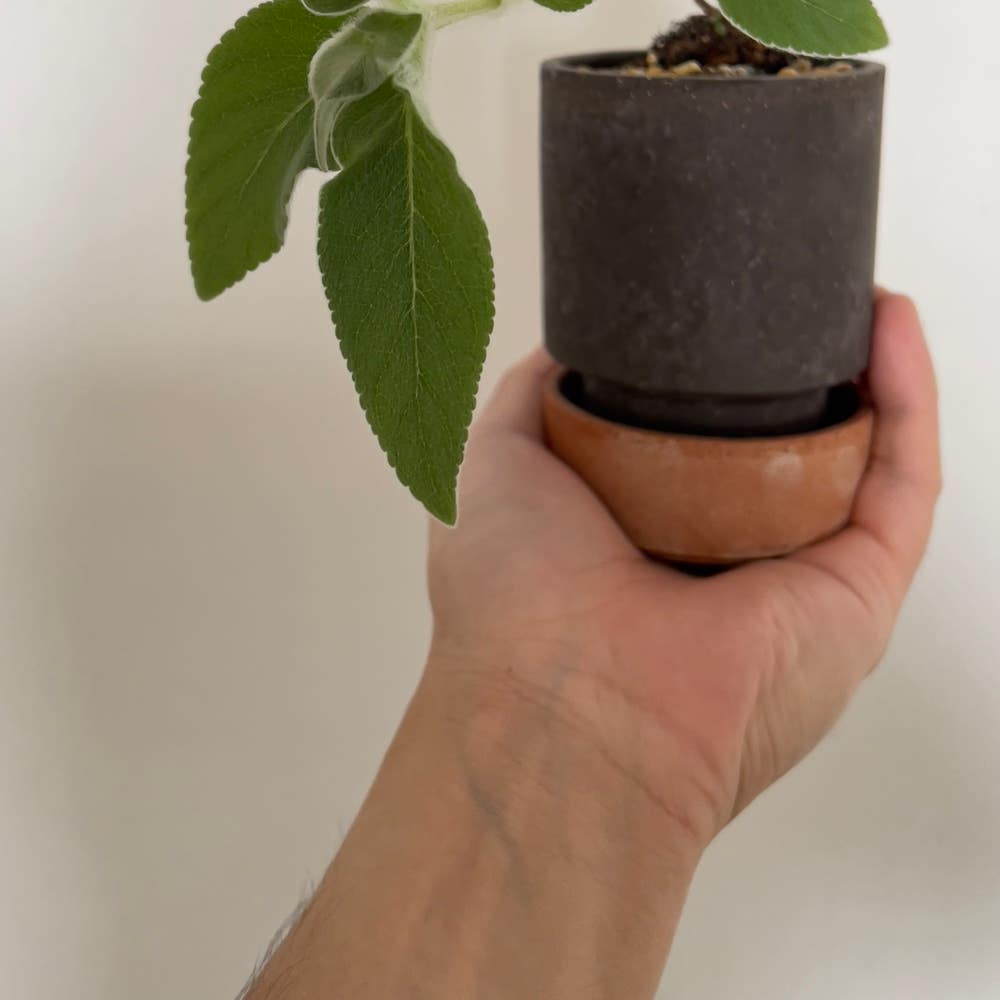
The Brazilian Edelweiss captivates with its striking white flowers that bloom in clusters, creating a stunning visual display. Its fuzzy, silvery-green leaves add a unique texture, making it a standout in any garden.
This plant thrives in well-drained soils and is typically found in mountainous regions, showcasing its resilience and adaptability. Its growth habit not only enhances its beauty but also makes it a favorite among gardeners seeking something distinctive.
Most Appealing Parts to Animals 🐦
The flowers are particularly appealing due to their sweet nectar, attracting both pollinators and herbivores alike. Young shoots are tender and succulent, making them irresistible to various garden animals.
Additionally, the fruits of the Brazilian Edelweiss are soft and potentially attractive to birds and small mammals. This combination of features makes the plant a focal point in the ecosystem, drawing in a variety of wildlife.
As we explore the common herbivores that interact with this beautiful plant, it’s essential to understand how these relationships can impact its health and growth.
Common Herbivores
🦌 Deer
Signs of Presence and Damage
Deer can be a significant threat to your Brazilian Edelweiss. Look for irregularly chewed leaves and stems, which indicate browsing patterns. Additionally, distinct hoof prints near the plant can confirm their presence.
Interaction Type
Deer interactions are generally harmful. If not managed, they can decimate plant populations, leaving your garden vulnerable.
Deterrent Methods
To deter deer, consider using commercial deer repellents. You can also plant deer-resistant species nearby or use organic methods like human hair or soap shavings to keep them at bay.
🐇 Rabbits
Signs of Presence and Damage
Rabbits leave behind cleanly cut stems and leaves, often at a 45-degree angle. You might also find rabbit droppings near the plant, signaling their activity.
Interaction Type
Like deer, rabbits are generally harmful. Their feeding can lead to significant damage to your Brazilian Edelweiss.
Deterrent Methods
For rabbits, bitter-tasting sprays can act as effective chemical deterrents. Organic methods include erecting fencing at least 2 feet high and planting rabbit-resistant plants nearby.
🐿️ Squirrels
Signs of Presence and Damage
Squirrels can disrupt your plant's health by gnawing on stems and roots. Look for scattered debris and nesting materials near the plant as signs of their presence.
Interaction Type
Squirrels are generally harmful as well. Their activities can significantly disrupt plant growth and overall health.
Deterrent Methods
Capsaicin-based sprays serve as effective chemical deterrents against squirrels. You can also install squirrel-proof feeders and use reflective objects to deter them organically.
🐦 Birds
Signs of Presence and Damage
Birds can have mixed interactions with your Brazilian Edelweiss. Look for peck marks on flowers and fruits, as well as signs of nesting activity in nearby areas.
Interaction Type
While some birds pollinate, others may damage flowers. This dual role makes their presence complex.
Deterrent Methods
Non-toxic bird repellents can help manage their presence. Additionally, using netting over plants and scare tactics like reflective tape can be effective organic methods.
🐭 Rodents
Signs of Presence and Damage
Rodents can cause severe damage to your plants. Signs include tunneling near roots, gnawed leaves, and droppings or nests in the vicinity.
Interaction Type
Rodents are generally harmful, leading to significant plant damage if left unchecked.
Deterrent Methods
For rodent control, consider using bait stations as a chemical deterrent. Organic methods include trapping and utilizing natural predators, such as cats.
🦡 Groundhogs/Woodchucks
Signs of Presence and Damage
Groundhogs leave large holes dug near the plant and chewed stems and leaves. Their distinctive paw prints around the garden can also indicate their presence.
Interaction Type
These animals are generally harmful, as they can quickly consume large portions of your Brazilian Edelweiss.
Deterrent Methods
Commercial repellents can deter groundhogs effectively. You might also consider fencing at least 3 feet high and using motion-activated sprinklers as organic deterrents.
Understanding these common herbivores and their interactions with your Brazilian Edelweiss can help you protect your garden effectively. Next, we’ll explore the beneficial animals that can enhance your plant's health and growth.
Beneficial Animals
🌼 Description and Role
When it comes to the Brazilian Edelweiss, beneficial animals play a crucial role. Pollinators like bees and butterflies are essential for the plant's reproduction, ensuring vibrant blooms and healthy growth.
Predatory insects, such as ladybugs and lacewings, help keep pest populations in check. Their presence is vital for maintaining a balanced ecosystem around your plants.
🌱 Positive Impacts
The impact of these beneficial creatures is significant. Enhanced pollination leads to better fruit and seed production, which means a more robust plant overall.
Moreover, natural pest control reduces the need for chemical interventions. This not only keeps your garden healthier but also contributes to a more sustainable environment.
Encouraging these animals can transform your garden into a thriving habitat, benefiting both your plants and the local ecosystem. By understanding their roles, you can foster a more harmonious relationship between your plants and the wildlife around them.
As we explore protection strategies next, consider how to maintain this balance while managing herbivore populations effectively.
Protection Strategies
🛡️ Preventive Measures
To safeguard your Brazilian Edelweiss, consider planting companion plants that deter herbivores. These plants can create a natural barrier, making your garden less appealing to unwanted visitors.
Regular monitoring is crucial. Keep an eye out for signs of animal activity, such as tracks or nibbling, so you can act quickly if needed.
⚠️ Reactive Solutions
If you notice any damage, remove the affected plant parts immediately. This encourages regrowth and helps maintain the plant's health.
Using barriers and traps can also be effective. Physical barriers like fencing or nets can keep herbivores at bay, while traps can help manage populations.
⚖️ Maintaining Balance
Encouraging beneficial insects is key to a thriving ecosystem. Pollinators like bees and butterflies will enhance your plant's reproduction, while predatory insects can keep pest populations in check.
Understanding the role of each animal in your garden is essential. This balance allows you to manage herbivore populations without harming the beneficial species that support your plants.
By implementing these strategies, you can create a harmonious garden environment that nurtures your Brazilian Edelweiss while keeping harmful animals at bay.
Seasonal Considerations
🌱 Variations in Attraction
As spring unfolds, herbivore activity surges. This is when your Brazilian Edelweiss is at its most tender, making it a prime target for hungry critters.
By fall, animals shift their feeding habits. They're gearing up for winter, which can lead to different interactions with your plants.
⏰ Timing of Vulnerability
Young shoots and flowers are particularly vulnerable during their early growth stages. This is when they need your watchful eye the most.
Monitoring during peak feeding seasons is crucial. Keeping tabs on your plants can help you catch any potential damage before it escalates.
Toxicity and Interactions
Toxic Effects 🧪
Brazilian Edelweiss exhibits mild toxicity, which can act as a double-edged sword. While it may deter some herbivores, it can also attract others that are less sensitive to its effects.
Specific Effects on Garden Animals 🐇
Common garden animals, like rabbits and squirrels, may experience gastrointestinal upset if they consume the plant. This reaction can lead to avoidance, but not all animals will be deterred.
Implications for Herbivore Interactions 🦌
Understanding which animals are less likely to munch on Brazilian Edelweiss due to its toxicity is crucial. For instance, deer might be more cautious, while certain birds may not be affected at all.
Balancing Herbivore Presence ⚖️
It's essential to balance the presence of herbivores with the potential risks of toxicity. This means monitoring your garden closely to ensure that the benefits of having some animals, like pollinators, outweigh the drawbacks of herbivores that could cause damage.
Final Thoughts 💭
By recognizing the toxicity of Brazilian Edelweiss, you can make informed decisions about managing your garden. This knowledge empowers you to create a thriving ecosystem that supports both your plants and the wildlife around them.
Next, we’ll explore effective protection strategies to safeguard your Brazilian Edelweiss from herbivores while encouraging beneficial animals.
⚠️ Safety First
This content is for general information and may contain errors, omissions, or outdated details. It is not medical, veterinary advice, or an endorsement of therapeutic claims.
Always consult a qualified healthcare professional before using any plant as food, medicine, or supplement.
Never eat any plant (or feed one to pets) without confirming its identity with at least two trusted sources.
If you suspect poisoning, call Poison Control (800) 222-1222, the Pet Poison Helpline (800) 213-6680, or your local emergency service immediately.
Spotted an error? Please report it here.
Safeguard your stunning Brazilian Edelweiss 🌼 from herbivores and attract pollinators with Greg's personalized care tips and reminders for a thriving garden!