Black Spots on My Brazilian Edelweiss Leaves
Sinningia leucotricha
By the Greg Editorial Team
Feb 14, 2024•3 min read
This article was created with the help of AI so we can cover more plants for you. May contain errors. See one? Report it here.
Banish black spots 🍂 and keep your Brazilian Edelweiss thriving with expert care tips!
- Black spots mean trouble; they can significantly damage Brazilian Edelweiss leaves.
- Fungicides and baking soda mix help fight fungal foes; rotate treatments.
- Prune and adjust watering to prevent and treat bacterial bullies.
Spotting the Trouble: Identifying Black Spots
🕵️ What Do These Pesky Black Spots Look Like?
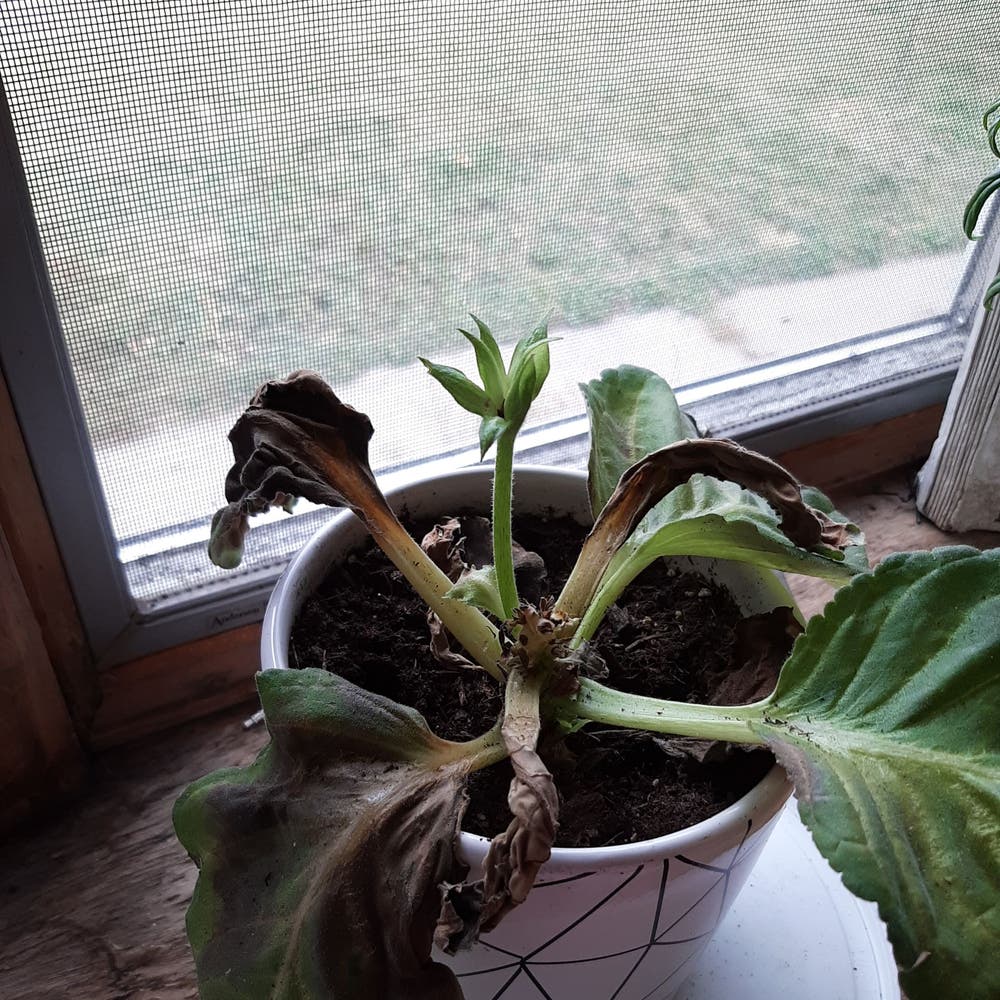
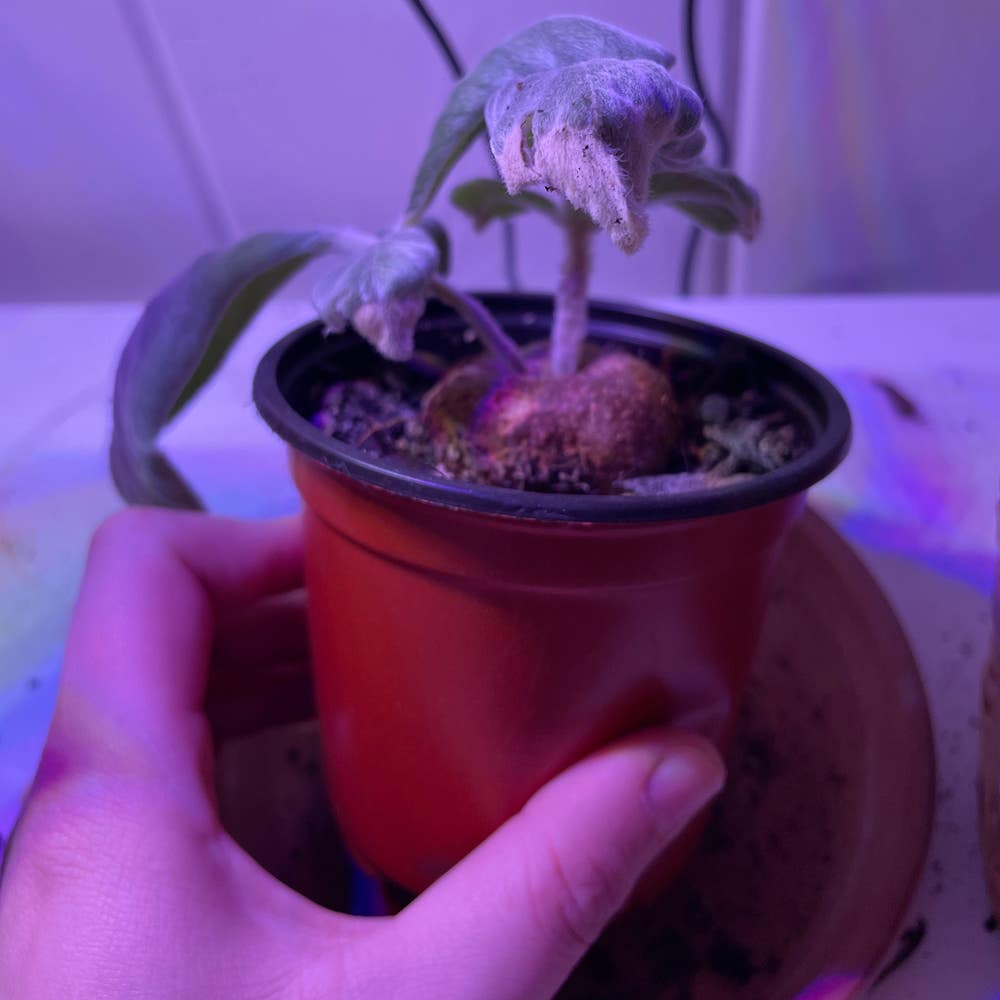
Black spots on Brazilian Edelweiss leaves are a glaring sign that something's amiss. They start as tiny specks and can grow into larger blotches, ruining the plant's lush greenery. These spots may be dry and brittle or have a different texture from the rest of the leaf. If you catch a whiff of something foul or spot a slimy texture, it's time to take action.
🕵️ Clues That It's More Than Just a Bad Leaf Day
Regular leaf check-ups are like health screenings for your plant. Spots often begin their stealth attack on the undersides of leaves, so flip them over regularly. If you notice a pattern or repetition in the spots, it's not just a quirky leaf pattern—it's a distress signal. Yellowing leaves often accompany these black invaders, and a yellow halo might indicate a fungal fiesta. Keep your tools sterilized to avoid spreading trouble, and when in doubt, don't hesitate to seek expert advice.
Section
Battling Black Spots: Treatment Tactics
🍄 Fungus Among Us: Getting Rid of Fungal Infections
Fungicides are your first line of defense against the fungal culprits attacking your Brazilian Edelweiss. Choosing the right one is crucial; options range from broad-spectrum chemicals to organic alternatives like neem oil. Rotate your choices to prevent resistance and always follow the label's instructions to a T.
For those preferring a more homegrown approach, concoct a mixture of baking soda and water, with a dash of horticultural oil or soap. This alters the leaf's pH, making it inhospitable to fungi. Consistency is key—apply treatments weekly and monitor progress diligently.
🦠 Bacteria Be Gone: Handling Bacterial Infections
When bacteria are the villains behind the black spots, it's time to get tactical. Pruning infected areas is your immediate action—think of it as a necessary surgery for your plant's health. Sterilize your tools to prevent spreading the infection.
Post-surgery, consider using copper compounds or targeted bactericides, but sparingly. They're akin to antibiotics for your plant—potent but not to be overused. Early detection and treatment are paramount to prevent the spread and ensure recovery.
Keeping It Clean: Prevention Strategies
💧 Watering Wisdom
Adjust your watering habits to keep those Brazilian Edelweiss leaves as dry as a stand-up comedian's wit. Water the soil, not the plant, like you're avoiding spoilers for the latest hit show.
💡 Light and Airflow: The Dynamic Duo
Make sure your plant gets the right light and airflow. It's like giving your plant its own personal space in a crowded room—enough to breathe but still part of the action.
🕵️ Routine Checks: The Plant's Personal Bodyguard
Inspect your Brazilian Edelweiss like it's a VIP at the club. Catching issues early is like cutting off that one friend who always overstays their welcome—necessary and a relief.
⚠️ Safety First
This content is for general information and may contain errors, omissions, or outdated details. It is not medical, veterinary advice, or an endorsement of therapeutic claims.
Always consult a qualified healthcare professional before using any plant as food, medicine, or supplement.
Never eat any plant (or feed one to pets) without confirming its identity with at least two trusted sources.
If you suspect poisoning, call Poison Control (800) 222-1222, the Pet Poison Helpline (800) 213-6680, or your local emergency service immediately.
Spotted an error? Please report it here.
Eradicate black spots on your Brazilian Edelweiss by staying vigilant with routine checks 🕵️♂️ — let Greg remind you when it's time for a plant health inspection.