Why Are My Brazilian Edelweiss Leaves Droopy?
Sinningia leucotricha
By the Greg Editorial Team
Feb 14, 2024•5 min read
This article was created with the help of AI so we can cover more plants for you. May contain errors. See one? Report it here.
Say goodbye to droopy Edelweiss leaves 🍂 with these fail-proof plant care secrets!
- 🚱 Overwatering and underwatering are common causes of droopy leaves.
- 🌡️💡 Balance light and temperature to maintain plant health.
- 📅 Consistent care and monitoring prevent and address droopiness.
Spotting the Culprits Behind the Droop
💧 Too Much H2O: The Overwatering Ordeal
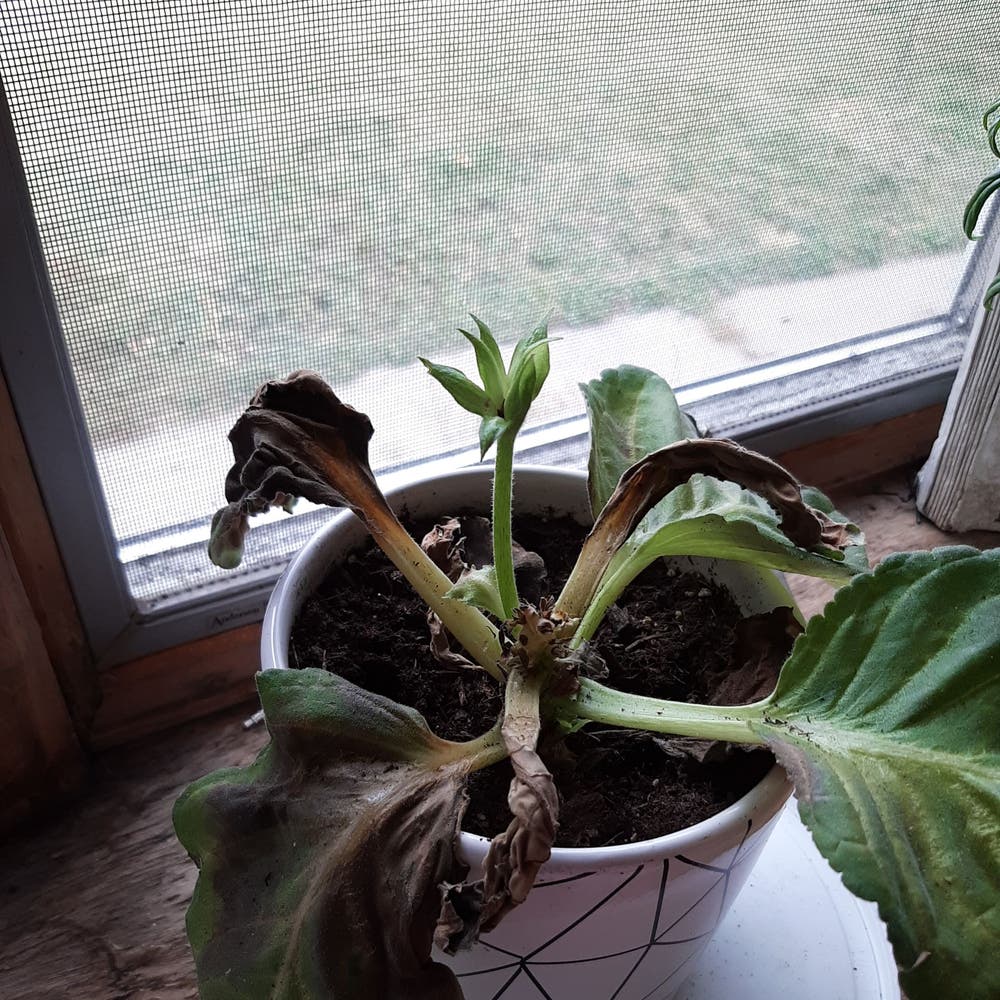
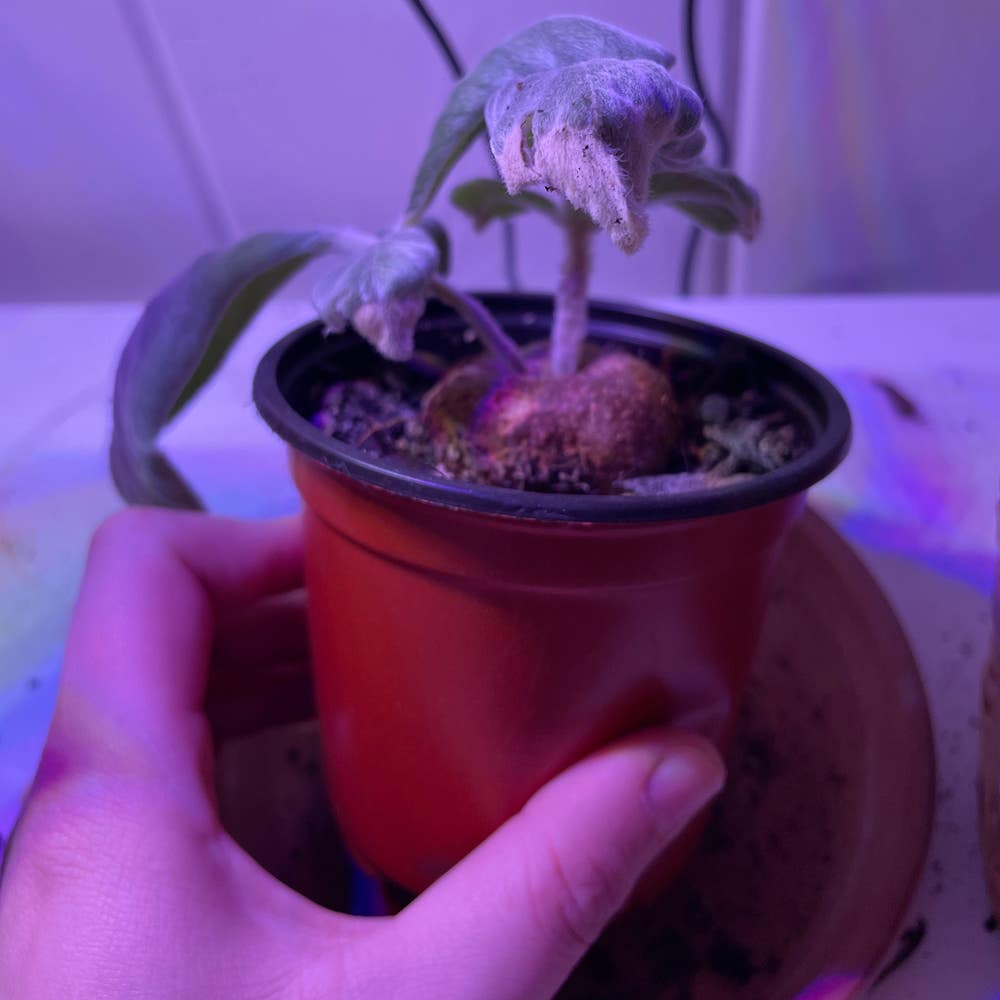
Overwatering is like drowning your plant's hopes for survival. Limp leaves that feel mushy are screaming for you to ease up on the aqua. If your soil sticks to you like a needy ex, it's time to rethink your watering strategy. Ensure your pot has drainage holes to prevent a root-soaking catastrophe.
🏜️ Thirsty Roots: The Underwatering Undertaking
Underwatering turns your plant into a drama queen. Leaves hanging like limp handshakes are a desperate call for hydration. When the pot feels lighter than your post-holiday wallet, it's time to give your plant a long, satisfying drink. But remember, it's a sip, not a gulp—avoid waterlogging the soil.
🌞 Light and Temperature Tango
Finding the sweet spot for light and temperature is like tuning a vintage radio—too much and you get static, too little and you miss the music. Your plant needs a consistent warmth, not a sauna or an igloo. Keep it away from drafts and direct heat sources, and adjust your care like a DJ tweaking the decks to keep those leaves perky.
First Aid for Floppy Foliage
💧 Watering Wisdom: Balancing the Wet and Dry
Mastering the art of moisture management is crucial for the health of your Brazilian Edelweiss. Overwatering can lead to a soggy mess, while underwatering turns your plant into a desert dweller.
To avoid the extremes, check the top inch of soil for dryness before reaching for the watering can. If it's dry, give your plant a drink; if not, hold off. Remember, roots need air as much as they need water.
🛠 Tools and tricks for keeping soil moisture just right
Moisture meters can be a plant saver for those who prefer precision. They take the guesswork out of watering, allowing you to monitor soil moisture levels with ease.
For a low-tech approach, your finger is a surprisingly effective tool. Feel the soil; if it sticks to your skin, it's too wet. If it feels like a day-old sponge, it's time to water.
🌡 Climate Control: Cozy Conditions for Your Edelweiss
Dialing in the perfect light and temperature settings can be a game-changer for your plant's health. Too much direct sunlight can scorch leaves, while too little can lead to etiolation.
Keep your Edelweiss in a spot with bright, indirect light. Monitor temperature fluctuations and avoid placing your plant near drafty windows or heat sources.
🛠 Quick fixes for when the weather won't cooperate
When the weather is more unpredictable than your mood on a Monday morning, adapt. Move your plant to a shadier spot during heatwaves or closer to light during gloomy days.
If your home resembles an icebox or a sauna, consider investing in a humidifier or a fan to regulate humidity and air circulation. This can prevent a host of issues, from fungal attacks to withered leaves.
Feeding Your Foliage: Nutrient Know-How
💡 Spotting Starvation in Leaves
Yellow leaves? Nitrogen may be calling in sick. Your Brazilian Edelweiss isn't just being dramatic; it's likely starved for nutrients. Look for pale leaves or stunted growth as a cry for help.
🍽️ Mixing up a Meal Plan for Malnourished Edelweiss
Get your plant back in the game with a balanced meal. A water-soluble fertilizer is like a smoothie packed with all the good stuff. But remember, it's a snack, not a feast—overfeeding can lead to a nutrient overdose.
🌱 Fertilizer Finesse: Serving Up the Right Stuff
Choosing fertilizer is like picking a protein for your gym diet—specificity is crucial. Too much, and you're looking at the botanical equivalent of a nutrient burn. Too little, and your plant's growth hits a plateau.
👩🌾 Timing the Treats: When and How Much to Fertilize
Timing is everything. Your Edelweiss doesn't always need a full plate. Follow the fertilizer package directions like it's a sacred text. During growth spurts, feed it more; when it's chilling, cut back. Watch for cues and tweak the menu as needed.
Keeping Leaves Lively: Prevention is Key
💡 Consistency is King: Routine Care Rundown
Crafting a care calendar for your Brazilian Edelweiss isn't just a suggestion—it's a lifeline for your plant. Mark your digital or wall calendar with watering dates, pruning times, and check-ups. This isn't about being a helicopter plant parent; it's about giving your green buddy the structure it craves.
Monitoring moves are crucial. Your plant won't send you a text when it's in trouble, so keep your eyes peeled. Weekly once-overs can spot early signs of droop, allowing you to course-correct before your plant throws in the towel.
🏡 The Right Foundation: Soil and Pot Perfection
Choosing the right pot is like picking a house for your plant—it needs to be just right. Ensure it has drainage holes because Brazilian Edelweiss's roots despise wet feet. Terracotta pots are a good bet; they're breathable and help wick away excess moisture.
Well-draining soil is non-negotiable. Mix in perlite or coarse sand to keep it airy. Think of it as creating a mini ecosystem that allows roots to breathe easy. And when those roots start to crowd, it's time to repot. Do it during the plant's growth season for a smooth transition to a roomier abode.
⚠️ Safety First
This content is for general information and may contain errors, omissions, or outdated details. It is not medical, veterinary advice, or an endorsement of therapeutic claims.
Always consult a qualified healthcare professional before using any plant as food, medicine, or supplement.
Never eat any plant (or feed one to pets) without confirming its identity with at least two trusted sources.
If you suspect poisoning, call Poison Control (800) 222-1222, the Pet Poison Helpline (800) 213-6680, or your local emergency service immediately.
Spotted an error? Please report it here.
Avoid the droop in your Brazilian Edelweiss by letting Greg craft a custom care calendar 📅 that ensures just-right watering and perfect lighting conditions.