Brazilian Edelweiss: Not an Annual
Sinningia leucotricha
By the Greg Editorial Team
Sep 30, 2024•5 min read
This article was created with the help of AI so we can cover more plants for you. May contain errors. See one? Report it here.
Transform your garden with resilient Brazilian Edelweiss 🌱, a perennial that blooms beautifully year after year!
- 🌼 Brazilian Edelweiss is a perennial, thriving for years with unique adaptability.
- 🌱 It blooms annually and has an extended flowering period, unlike true annuals.
- 🌍 Understanding its care ensures successful cultivation and enhances garden aesthetics.
Brazilian Edelweiss as a Perennial
🌱 Genetic Characteristics
Brazilian Edelweiss boasts a unique chromosomal structure that enhances its adaptability for long-term survival. This genetic makeup allows it to thrive even in challenging environments, showcasing remarkable resilience.
🌿 Physiological Traits Supporting Perennial Growth
One of the standout features of Brazilian Edelweiss is its rosette growth form. This adaptation helps the plant conserve nutrients, making it well-suited for various soil conditions.
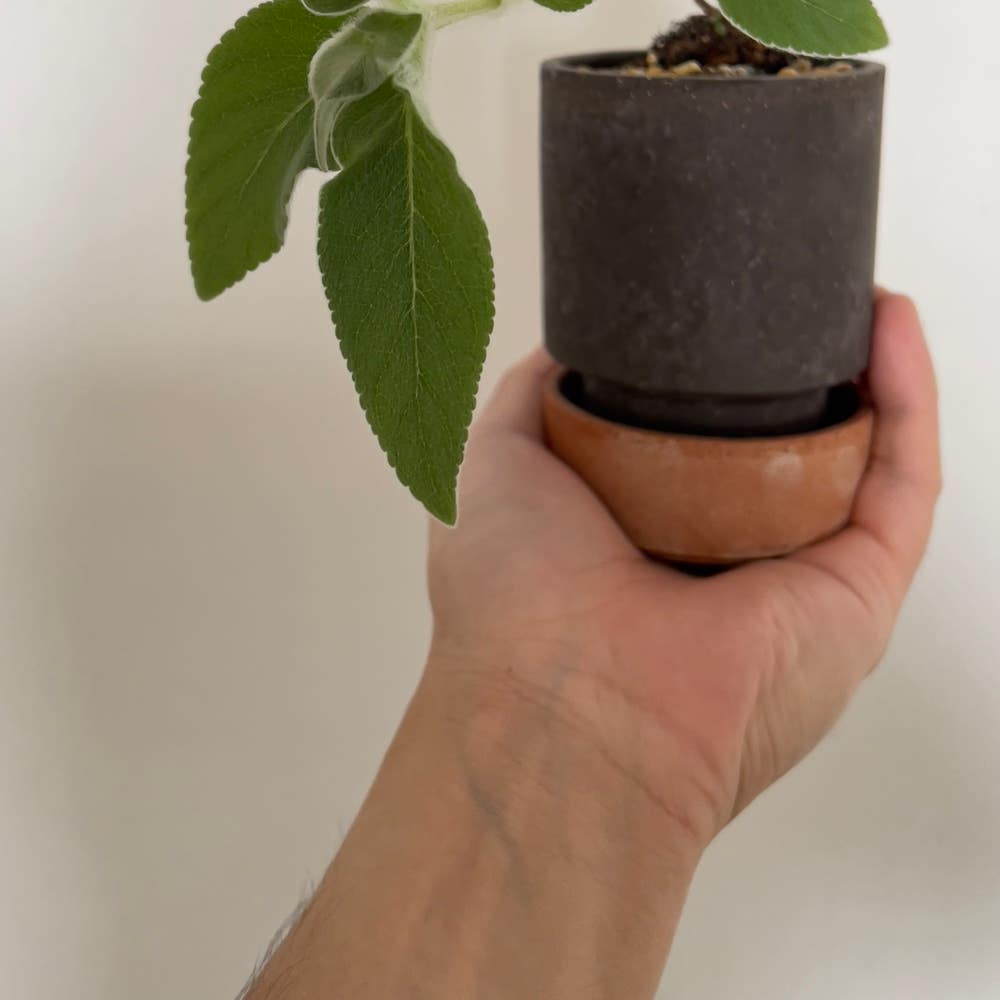
Additionally, the plant's woolly leaves serve as a protective barrier against environmental stressors. This feature not only aids in moisture retention but also shields the plant from harsh sunlight and wind.
⏳ Long-Term Lifecycle and Growth Patterns
The lifecycle of Brazilian Edelweiss is fascinating, characterized by distinct growth phases. During winter, the plant enters a dormant state, conserving energy for the active growth that occurs in spring and summer.
With a lifespan that can extend for several years, Brazilian Edelweiss produces blooms annually. This consistent flowering not only adds beauty to gardens but also highlights its perennial nature.
As we delve deeper into the reproductive strategies of Brazilian Edelweiss, we’ll uncover how its flowering cycles and seed production further distinguish it from true annuals.
Reproductive Strategies
🌸 Flowering Cycles
Brazilian Edelweiss boasts an impressive flowering duration, often blooming for several months. This extended period sets it apart from true annuals, which typically have a much shorter flowering window.
The timing of these blooms is influenced by seasonal patterns and environmental triggers. Factors like temperature and moisture levels play a crucial role in determining when the flowers will emerge.
🌱 Seed Production Compared to Annuals
When it comes to seed viability, Brazilian Edelweiss excels. Its seeds can remain viable for multiple years, ensuring a robust chance for future generations.
In terms of quantity, Brazilian Edelweiss produces a significant number of seeds compared to many annuals. This prolific seed production enhances its chances of survival in various environments.
🦋 Adaptations for Survival and Reproduction
Brazilian Edelweiss has developed several mechanisms for seed dispersal. Wind, water, and animal interactions all contribute to spreading its seeds far and wide.
To survive adverse conditions, this plant employs strategies like dormancy and seed bank formation. These adaptations allow it to endure tough times and thrive when conditions improve.
With these reproductive strategies, Brazilian Edelweiss not only secures its future but also enriches the ecosystems it inhabits. Next, we’ll explore some common misconceptions and exceptions regarding its classification.
Misconceptions and Exceptions
🌱 Conditions Where Brazilian Edelweiss May Be Treated as an Annual
Extreme weather can significantly impact the Brazilian Edelweiss. Frost and drought can hinder its growth, leading gardeners to mistakenly treat it as an annual.
Mismanagement is another culprit. Incorrect care, such as overwatering or poor soil conditions, can result in premature death, further perpetuating the misconception that it’s not a perennial.
🌍 Regional Variations Affecting Classification
Climate plays a crucial role in the growth cycles of Brazilian Edelweiss. In harsher environments, its perennial nature may be challenged, leading to variations in its life cycle.
Geographic distribution also matters. Native habitats often provide ideal conditions, while cultivated areas may not replicate these, affecting how the plant is classified.
❌ Common Mistakes in Identification
Many people confuse Brazilian Edelweiss with annuals due to misinterpretation of its growth habits. This confusion can lead to improper care and expectations.
Additionally, a lack of awareness about its perennial characteristics can result in missed opportunities for gardeners. Understanding its true nature is essential for successful cultivation.
As we delve deeper into the implications for gardeners, it’s vital to recognize these misconceptions to ensure the Brazilian Edelweiss thrives in your garden.
Implications for Gardeners
Benefits of Planting as a Perennial 🌼
Choosing Brazilian Edelweiss as a perennial offers significant advantages. You’ll enjoy a long-term investment with fewer replanting needs, saving both time and money.
Additionally, these plants provide seasonal beauty with extended flowering periods. Their blooms can grace your garden year after year, creating a vibrant display that evolves with the seasons.
Garden Design Strategies 🎨
Companion planting is a fantastic strategy when incorporating Brazilian Edelweiss into your garden. Pairing them with other perennials enhances aesthetic appeal and promotes a healthy ecosystem.
Consider landscape integration as well. These plants thrive in rock gardens and alpine settings, adding unique texture and color to your outdoor spaces.
Seasonal Considerations for Management ⏳
Timing is crucial for planting and care. Aim to plant Brazilian Edelweiss in early spring or fall for optimal growth.
Adjusting care based on environmental conditions is equally important. Monitor weather patterns and be prepared to modify your watering and maintenance routines accordingly.
Incorporating these strategies will not only enhance your gardening experience but also ensure the longevity and health of your Brazilian Edelweiss. As you cultivate these resilient plants, you’ll find joy in their beauty and resilience, making your garden a true sanctuary.
Maximizing Longevity
🌱 Tips for Managing in the Garden
To ensure your Brazilian Edelweiss thrives, focus on soil requirements. These plants prefer well-drained, rocky soils that mimic their native habitats.
Watering practices are equally crucial. Avoid overwatering, as this can lead to root rot, a common issue that can quickly jeopardize your plant's health.
🌼 Best Practices for Ensuring Long-Term Health
When it comes to fertilization, Brazilian Edelweiss has minimal needs. A light touch is best, as excessive fertilization can harm these resilient perennials.
Pruning techniques also play a vital role in promoting healthy growth. Regularly trimming spent blooms encourages new flowering and keeps the plant looking tidy.
🐛 Common Challenges and Solutions
Pest management is essential for maintaining your plant's vitality. Keep an eye out for common pests and act quickly to control them before they cause significant damage.
Environmental stressors can pose challenges too. Implement strategies like mulching and providing shade during extreme weather to help your Brazilian Edelweiss endure tough conditions.
By following these tips, you can maximize the longevity of your Brazilian Edelweiss, ensuring it remains a stunning feature in your garden for years to come. Next, let’s explore the implications of planting this perennial for gardeners.
⚠️ Safety First
This content is for general information and may contain errors, omissions, or outdated details. It is not medical, veterinary advice, or an endorsement of therapeutic claims.
Always consult a qualified healthcare professional before using any plant as food, medicine, or supplement.
Never eat any plant (or feed one to pets) without confirming its identity with at least two trusted sources.
If you suspect poisoning, call Poison Control (800) 222-1222, the Pet Poison Helpline (800) 213-6680, or your local emergency service immediately.
Spotted an error? Please report it here.
Unlock the perennial beauty of Brazilian Edelweiss 🌼 with Greg's personalized care reminders, ensuring it flourishes in your garden season after season!