🌞 7 Essential Outdoor Brazilian Edelweiss Care Routines
Sinningia leucotricha
By the Greg Editorial Team
Sep 30, 2024•5 min read
This article was created with the help of AI so we can cover more plants for you. May contain errors. See one? Report it here.
Cultivate stunning Brazilian Edelweiss blooms 🌼 by mastering sunlight, watering, and seasonal care essentials!
- ☀️ Brazilian Edelweiss needs 6-8 hours of sunlight daily for optimal growth.
- 💧 Water only when the top inch of soil is dry to prevent root rot.
- 🌱 Use well-draining soil with a pH of 6.0-7.0 for best results.
Sunlight Requirements
Ideal Exposure 🌞
Brazilian Edelweiss thrives best in full sun to partial shade, requiring 6-8 hours of sunlight daily. This exposure is crucial for vibrant blooms and overall plant health.
Effects of Insufficient Sunlight 🌑
When deprived of adequate sunlight, these plants may experience stunted growth and fewer flowers. Additionally, they become more vulnerable to pests and diseases, compromising their vitality.
Understanding the sunlight needs of Brazilian Edelweiss is essential for cultivating a thriving garden. By ensuring they receive the right amount of light, you set the stage for a flourishing display of beauty.
Next, let’s explore how to properly water and care for the soil to keep your plants healthy and happy.
Watering and Soil Preferences
💧 Watering Guidelines
Watering your Brazilian Edelweiss is crucial for its health. Aim to let the top inch of soil dry out between waterings, ensuring the roots get the moisture they need without drowning.
Avoiding waterlogged conditions is essential to prevent root rot. Overly wet soil can lead to serious issues, so keep an eye on your watering schedule.
⚠️ Signs of Overwatering
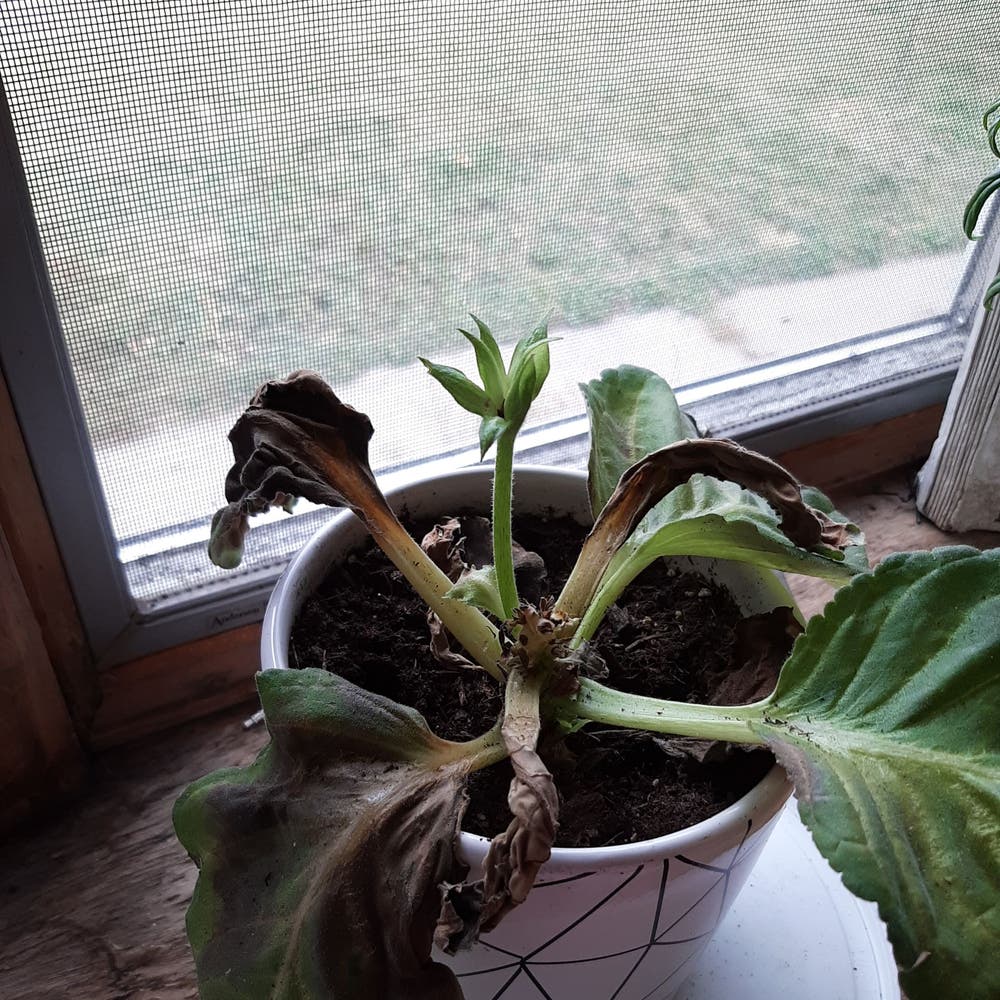
If you notice yellowing leaves or wilting despite adequate moisture, it might be a sign of overwatering. These symptoms can indicate that your plant is struggling to breathe.
Root rot is another serious concern. Look for mushy roots and a foul odor, which are clear indicators that your plant is in trouble.
🌱 Ideal Soil Composition
For optimal growth, use well-draining soil with a slightly acidic to neutral pH, ideally between 6.0 and 7.0. This pH range supports healthy nutrient uptake.
A recommended soil mix includes 50% potting soil, 25% perlite, and 25% peat moss. This combination ensures good drainage while retaining enough moisture for your plant.
🕳️ Soil Drainage Importance
Proper soil drainage is vital for maintaining healthy root systems. It prevents water accumulation, which can lead to root rot and other issues.
By ensuring your soil drains well, you create an environment where your Brazilian Edelweiss can thrive. Healthy roots mean a happier, more vibrant plant.
As you master watering and soil preferences, you'll be better equipped to tackle fertilization and planting options next.
Fertilization and Planting Options
Fertilization Schedule 🌱
To keep your Brazilian Edelweiss thriving, fertilize monthly during the growing season, which spans spring and summer. A balanced NPK fertilizer, such as 10-10-10, or organic options will provide the essential nutrients your plant craves.
Signs of Nutrient Deficiency ⚠️
Watch for yellowing leaves and stunted growth; these are clear indicators of nutrient deficiency. If your plant is struggling to bloom, it may be time to reassess its fertilization routine.
Container vs. Ground Planting 🏡
Choosing between container and ground planting has its pros and cons. Container planting offers flexibility and easier pest management, while ground planting can promote deeper root growth and stability.
Understanding these options will help you make the best choice for your Brazilian Edelweiss, ensuring it flourishes in its environment.
Next, let’s explore how to protect your plants from extreme weather conditions and seasonal changes.
Weather Protection and Seasonal Care
🌪️ Strategies for Extreme Weather Conditions
Extreme weather can be tough on your Brazilian Edelweiss. During scorching heat, providing shade is crucial.
Use shade cloth or position taller plants nearby to shield them from direct sunlight. This helps maintain their health and encourages blooming.
In colder months, frost protection becomes essential. Cover your plants with frost cloth or burlap during cold snaps to keep them safe from harsh temperatures.
📅 Seasonal Care Routines
Caring for your Brazilian Edelweiss varies with the seasons.
Spring: This is the time for rejuvenation. Begin with a thorough inspection and remove any dead leaves. Fertilize to kickstart growth.
Summer: Keep an eye on watering, especially during heatwaves. Ensure they receive enough shade and monitor for pests.
Fall: As temperatures drop, reduce watering. Prepare your plants for winter by cleaning up fallen debris and checking for diseases.
Winter: Protect your plants from frost and cold winds. If necessary, bring container plants indoors or cover them well.
By following these seasonal care routines, you’ll ensure your Brazilian Edelweiss thrives year-round. Next, let’s dive into pest and disease management to keep your plants healthy and vibrant.
Pest and Disease Management
Common Outdoor Pests 🐜
Outdoor Brazilian Edelweiss can attract a few pesky visitors, notably aphids and spider mites.
Aphids are small, soft-bodied insects that cluster on new growth. They can cause leaves to curl and stunt plant growth. To control them, spray a strong jet of water to dislodge them or use insecticidal soap for a more targeted approach.
Spider mites are tiny and often go unnoticed until damage appears. Look for fine webbing on the undersides of leaves. Increase humidity around the plant and apply miticides if necessary to keep them at bay.
Disease Prevention and Treatment 🦠
Preventing diseases like root rot and powdery mildew is crucial for a healthy plant.
Root rot often stems from overwatering and poor drainage. Ensure your soil mix is well-draining and allow the top inch of soil to dry out between waterings. If you suspect root rot, remove the plant from its pot and inspect the roots. Trim away any mushy sections and repot in fresh soil.
Powdery mildew appears as a white, powdery coating on leaves. To prevent it, ensure good air circulation and avoid overhead watering. If it does occur, treat it with fungicides or a homemade solution of baking soda and water.
By staying vigilant and proactive, you can keep your Brazilian Edelweiss thriving and beautiful. Next, let’s explore effective weather protection strategies to ensure your plants withstand the elements.
⚠️ Safety First
This content is for general information and may contain errors, omissions, or outdated details. It is not medical, veterinary advice, or an endorsement of therapeutic claims.
Always consult a qualified healthcare professional before using any plant as food, medicine, or supplement.
Never eat any plant (or feed one to pets) without confirming its identity with at least two trusted sources.
If you suspect poisoning, call Poison Control (800) 222-1222, the Pet Poison Helpline (800) 213-6680, or your local emergency service immediately.
Spotted an error? Please report it here.
Keep your Brazilian Edelweiss thriving all year 🌼 with Greg's personalized care tips and watering reminders that ensure it gets just the right amount of sunlight and moisture!