Why Are My Brazilian Edelweiss Leaves Mushy? 💧
Sinningia leucotricha
By the Greg Editorial Team
Feb 14, 2024•3 min read
This article was created with the help of AI so we can cover more plants for you. May contain errors. See one? Report it here.
Prevent mushy leaves 🍂 and revive your Brazilian Edelweiss by tackling overwatering woes effectively!
- Overwatering leads to mushy leaves, yellowing, and translucency in Brazilian Edelweiss.
- Root rot requires intervention: remove plant, trim roots, use well-draining soil.
- Prevent with proper care: tailored watering, drainage holes, and breathable pots.
Spotting the Trouble: Signs Your Brazilian Edelweiss is Too Wet
💦 Overwatering Symptoms
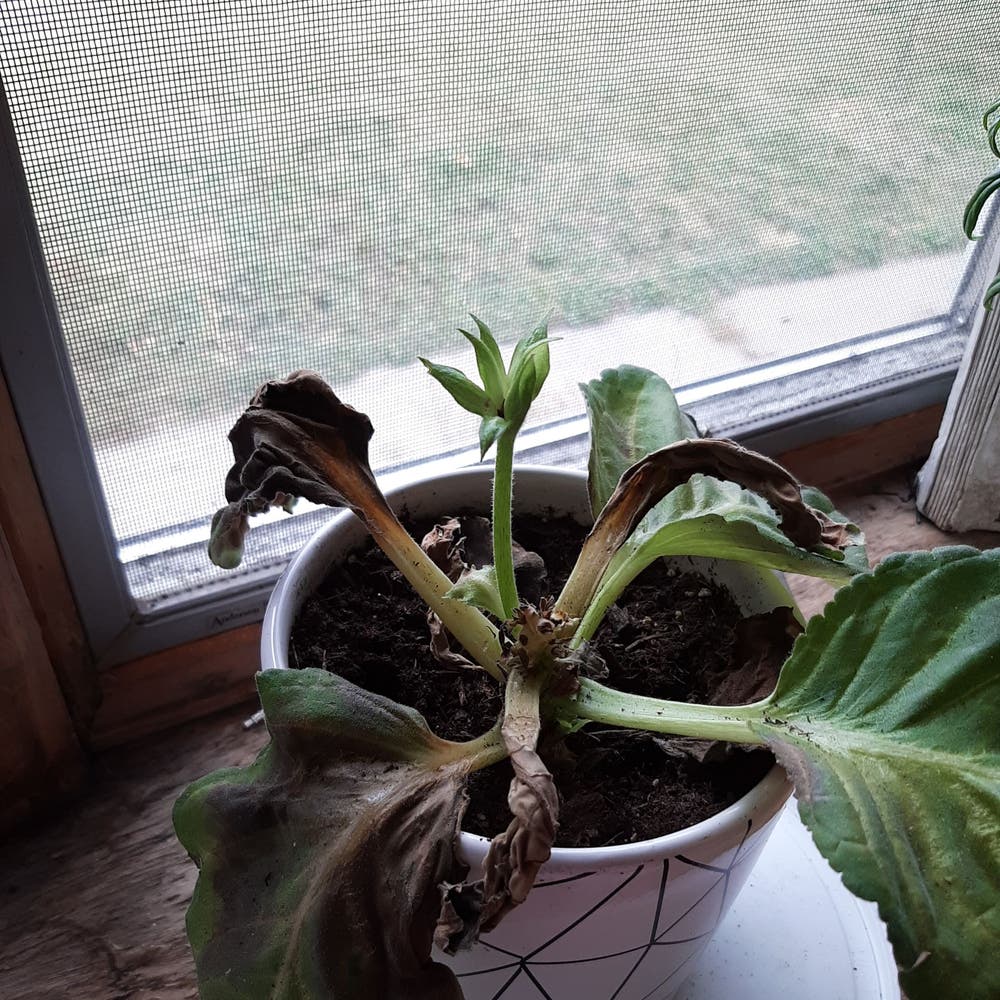
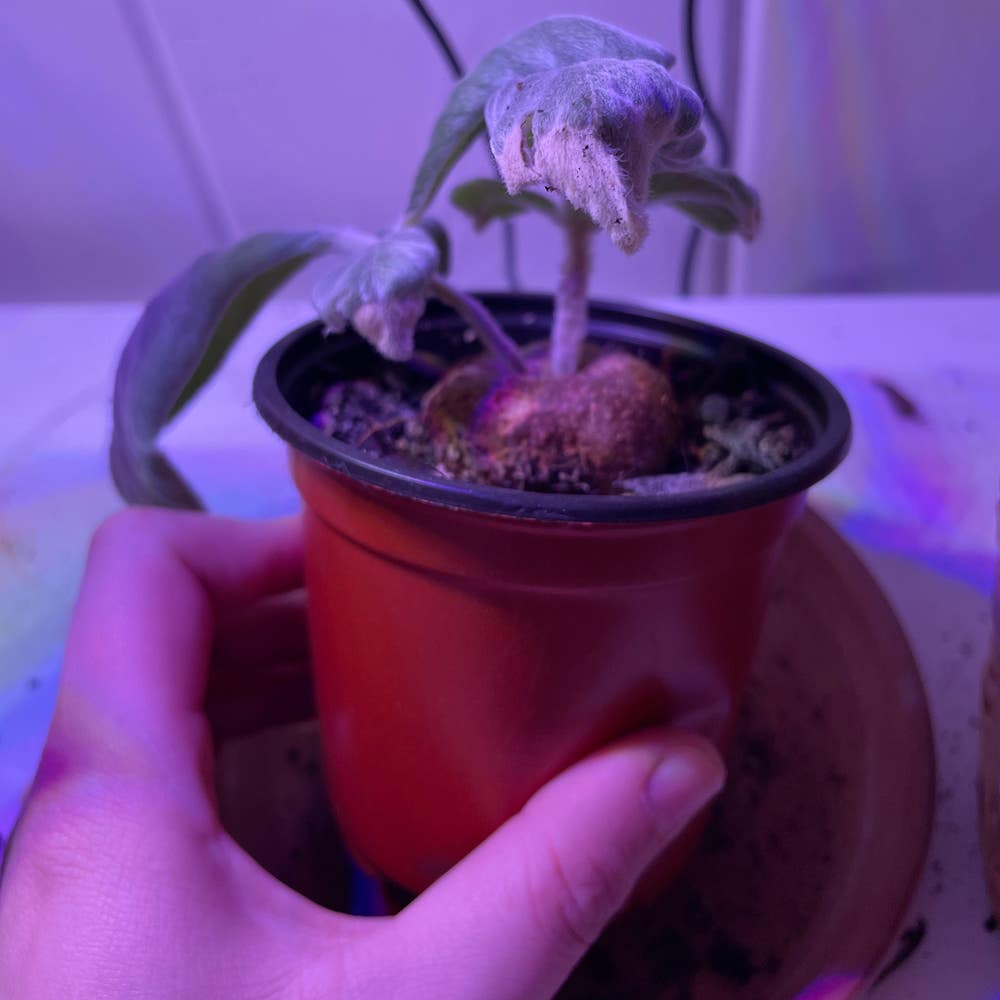
When your Brazilian Edelweiss's leaves go from firm to mushy, you've entered the danger zone. Waterlogged soil is often the villain, turning robust leaves into swollen, yellowed, and translucent shadows of their former selves. They might even burst, a clear sign you've been too generous with the watering can.
Leaves dropping at the slightest touch? That's your plant's version of a white flag. Yellowing leaves and a general appearance of weakness are the plant's SOS. If the soil clings to your fingers, it's screaming for an intervention. It's time to reassess your watering habits before your plant turns into a botanical casualty.
🕵️ Root Rot Revelation
To confirm if root rot is at play, you'll need to play plant detective. Gently remove your Brazilian Edelweiss from its pot and inspect the roots. Healthy roots are firm and white, but if they're dark brown or black, soft, and slimy, you've got a case of root rot on your hands.
The connection between overwatering and root decay is like a bad relationship—it starts with too much of a good thing and ends in a mess. Overly moist conditions are a breeding ground for fungi and bacteria, which feast on the roots, compromising the plant's ability to absorb nutrients. If you find mushy roots, it's time for a serious plant triage.
First Aid for Mushy Leaves
🌱 Rescuing the Roots
If root rot has infiltrated your Brazilian Edelweiss, it's time for some tough love. Gently remove your plant from its pot, and inspect the roots. If they resemble overcooked noodles, it's time to grab your sterilized shears. Trim away the mushy mess until you're left with only healthy, firm roots.
Next, give your plant a fresh start in a new pot with well-draining soil. This isn't a time for sentimentality—use new, sterile soil to avoid old pathogens. And remember, a pot without drainage holes is a ticking time bomb for root rot.
🍄 Fungal Foes: Identifying and Treating Infections
Fungal infections are the party crashers of the plant world. If your Brazilian Edelweiss is showing signs of uninvited fungal guests, like a powdery residue or dark spots, it's intervention time. Sterilize your pruning tools and cut away any affected areas.
When choosing a fungicide, think of it as picking a new phone plan—options matter. Go for a neem oil solution for an organic approach, or if the situation is dire, a copper-based fungicide might be your best bet. Suit up with gloves and a mask, and follow the instructions with the precision of a bomb squad expert.
Turning the Tide: Preventative Measures
🚰 Mastering the Art of Watering
Creating a tailored watering schedule is crucial for your Brazilian Edelweiss. It's less about marking your calendar and more about observing your plant's thirst.
- Check the soil before watering. If the top inch feels dry, it's time for a drink.
- Use room temperature water to avoid shocking the plant's roots.
- Aim for moist soil, steering clear of sogginess.
🌱 Pot and Soil Perfection
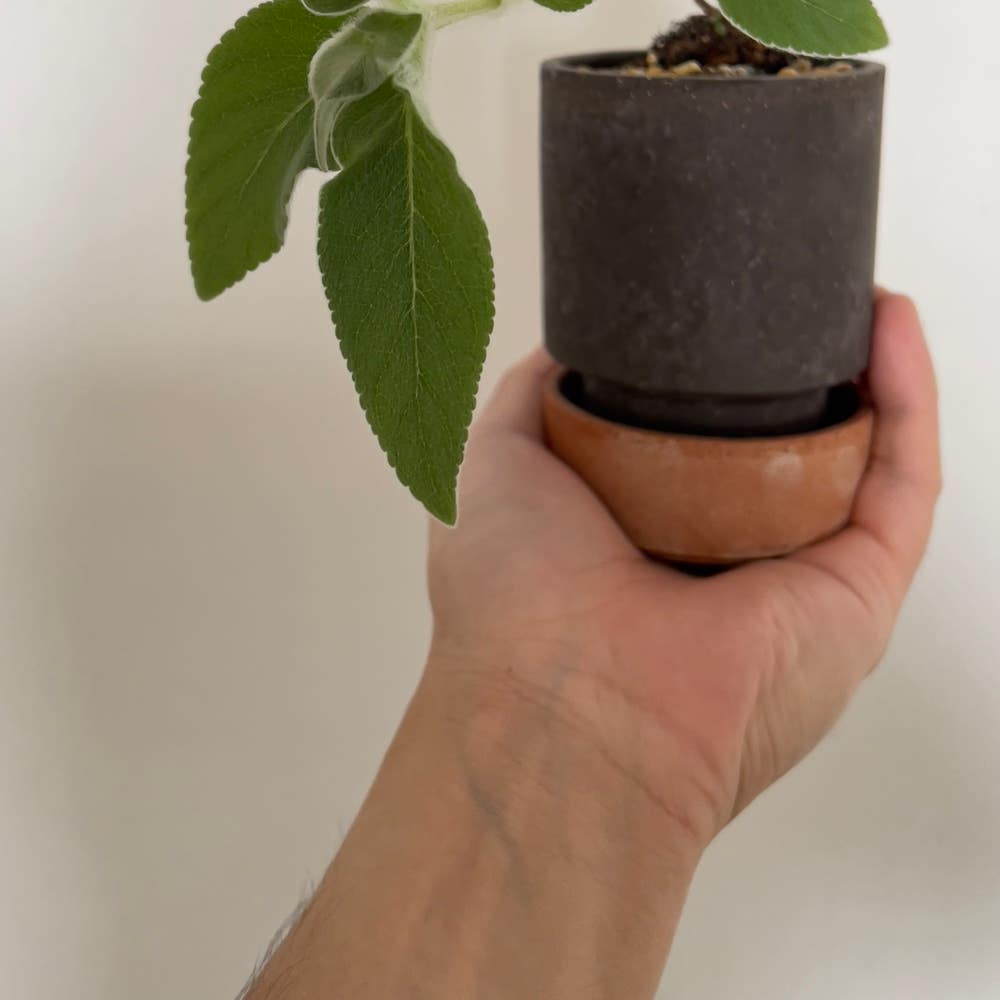
The right pot can make all the difference. Ensure it has ample drainage holes to let excess water escape.
- Choose a pot material that breathes, like terra cotta, to reduce the risk of overwatering.
- Select a soil mix that drains well yet retains the necessary moisture for your plant's health.
Remember, the goal is to mimic a natural environment where the soil stays moist but never waterlogged.
⚠️ Safety First
This content is for general information and may contain errors, omissions, or outdated details. It is not medical, veterinary advice, or an endorsement of therapeutic claims.
Always consult a qualified healthcare professional before using any plant as food, medicine, or supplement.
Never eat any plant (or feed one to pets) without confirming its identity with at least two trusted sources.
If you suspect poisoning, call Poison Control (800) 222-1222, the Pet Poison Helpline (800) 213-6680, or your local emergency service immediately.
Spotted an error? Please report it here.
Revive your Brazilian Edelweiss and avoid overwatering mishaps with Greg's custom care alerts 🚿, ensuring your plant's roots stay healthy and strong.