What Temperature Should My Brazilian Edelweiss Be Kept At?
Sinningia leucotricha
By the Greg Editorial Team
Feb 14, 2024•5 min read
This article was created with the help of AI so we can cover more plants for you. May contain errors. See one? Report it here.
Discover the secret to a happy Brazilian Edelweiss 🌼—perfect temperature control for mountain freshness at home!
- Ideal range 50°F to 68°F - avoid heaters and direct sunlight.
- 🌡️ Watch for wilting or browning leaves to adjust temperature.
- Stable environment and moderate humidity are key for health.
Nailing the Perfect Temperature
🌡️ The Goldilocks Zone: Ideal Temperature Range
Brazilian Edelweiss thrives in cooler climes, much like its high-altitude cousins. The ideal temperature range is a cool 50°F to 68°F (10°C to 20°C). This mimics their native mountain air, ensuring they don't overheat.
🏠 How to Mimic the Mountain Air: Maintaining the Ideal Temperature Indoors
Indoors, keep your plant away from heaters and direct sunlight. Use a thermostat or a cool room to maintain a consistent temperature. Remember, your home isn't a greenhouse, so avoid turning it into a tropical paradise.
🔥 When Things Heat Up: Avoiding High Temperature Pitfalls
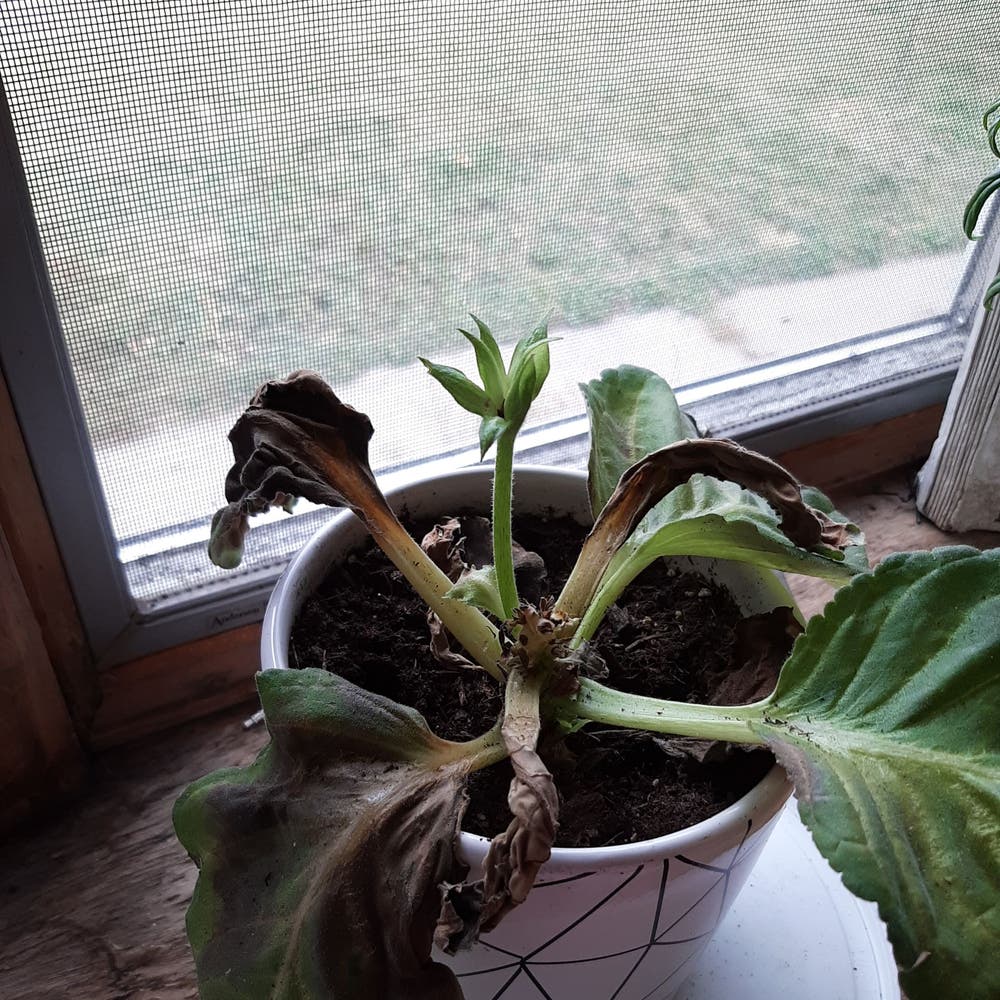
If your Brazilian Edelweiss starts to look like it's melting, that's a red flag. Leaves may wilt or brown if the temperature soars. It's a sign to dial down the heat.
❄️ Practical Tips to Cool Down Your Plant Buddy
Combat the heat by moving your plant to a shadier spot or near a fan. Think of it as giving your plant a personal summer breeze. But no ice cubes in the soil, please—that's just cruel.
🥶 Chilly Concerns: Protecting from the Cold
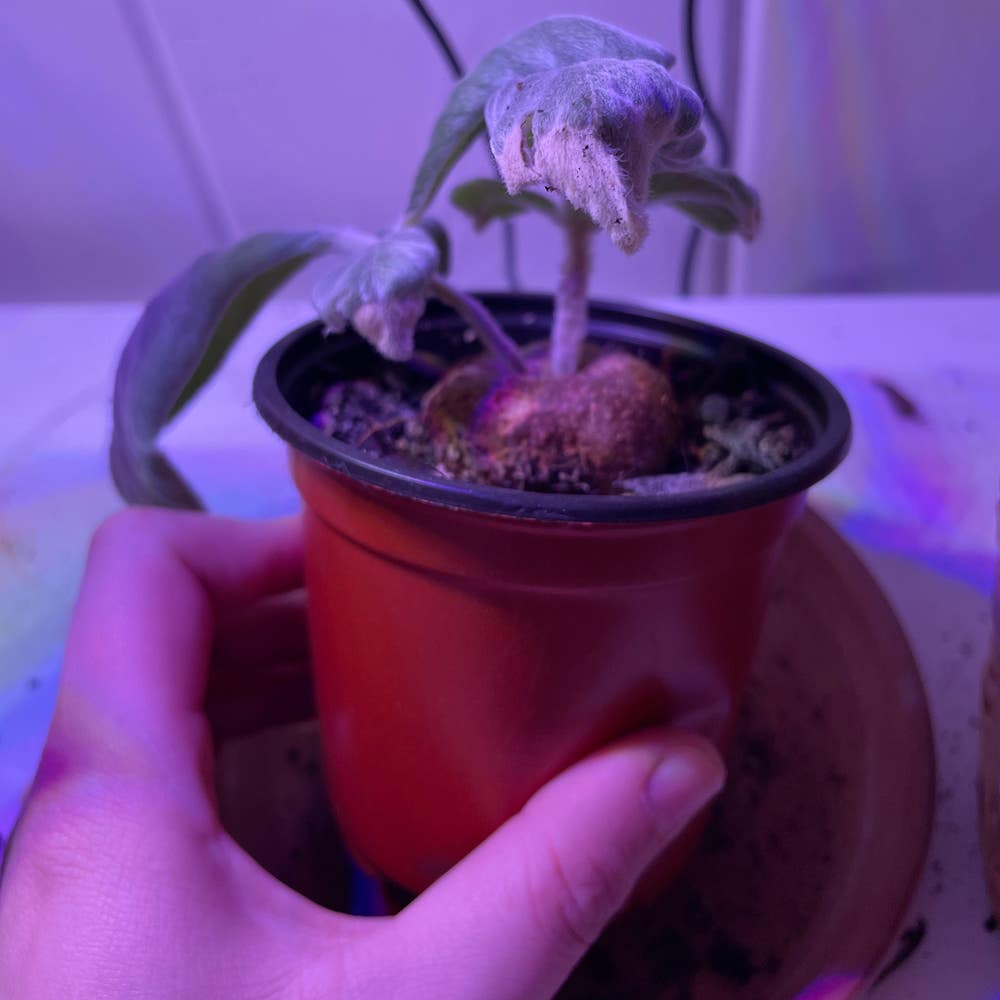
When your Brazilian Edelweiss starts to look more like a popsicle than a plant, it's too cold. Droopy leaves and slowed growth are cries for help.
🔥 Strategies to Keep Your Green Friend Warm and Toasty
Wrap it up! Not literally, but do move your plant to a warmer spot away from drafty windows. And consider a plant jacket—aka a heating mat—for those extra chilly nights. Just don't roast it; it's not a marshmallow.
Spotting Trouble: Signs of Temperature Stress
🚨 Visual Red Flags
Decoding Leaf Language: Discoloration and Droopiness
Leaves don't have the luxury of facial expressions, but they're communicative nonetheless. If your Brazilian Edelweiss starts sporting yellow leaves, it's not trying to keep up with the latest fashion; it's likely too hot or begging for better drainage. Brown spots or edges? That's your plant's version of teeth chattering from the cold. And when leaves wilt as if they've just run a marathon in the Sahara, it's a clear sign they're not coping well with the heat.
Growth Grievances: When Your Plant Stops Thriving
Stunted growth is your Brazilian Edelweiss's subtle way of telling you it's not happy with the temperature. It's not just being a diva; it's genuinely stressed. If your plant's growth has hit the snooze button, it's time to reassess the thermostat.
Behind the Scenes: Internal Stress Signals
What's Happening Inside: Understanding the Silent Stress Signs
While you can't see what's happening inside your Brazilian Edelweiss, the external cues are telling. Leaves that feel as limp as overcooked noodles or as brittle as autumn leaves are screaming for attention. Healthy leaves should be resilient, bouncing back when you touch them, not collapsing. If they're giving in too easily, it's a red flag that the temperature is off.
Keep a sharp eye out for any oddities in your plant's appearance. It could be dropping hints that it's not in its happy place, and it's your job to decode these signals before it's too late.
Keeping It Steady: Preventing Temperature Fluctuations
🌡️ Home Sweet Home: Creating a Stable Environment
Drafts are the arch-nemesis of your Brazilian Edelweiss's comfort. To create a stable environment, position your plant where the air is as still as a library at midnight. This means steering clear of those sneaky drafts near windows and doors, as well as avoiding the sauna-like vibes from radiators or kitchen appliances.
Consistency in temperature is like your morning coffee ritual—utterly essential. A reliable thermostat can be your best ally, ensuring your home doesn't morph into a theme park of temperature highs and lows. Remember, your plant doesn't appreciate the 'thrill' of a rollercoaster.
🌬️ Seasonal Shifts: Adapting to Change
As seasons change, your Brazilian Edelweiss shouldn't have to endure the shock of a wardrobe malfunction. Gradual transitions are key. When the mercury dips or soars, think of it as a signal to play plant doctor—adjust the room temperature or shuffle the plant's location to maintain that cozy equilibrium.
For those sudden, unexpected temperature spikes or drops, a quick fix could be as simple as a protective barrier. Think of it as throwing a mini greenhouse party for your plant. It's like saying, "Chill out, buddy, I've got you covered."
Remember, your plant's health is a marathon, not a sprint. Keeping temperatures stable is a long game, requiring vigilance and a dash of ingenuity.
A Quick Humidity High-Five
Just as temperature is vital, so is the humidity for your Brazilian Edelweiss.
🌿 Humidity's Supporting Role
Brazilian Edelweiss thrives in moderate humidity. It's not a tropical diva, but it doesn't enjoy the arid desert air either.
🌱 Humidity Harmony
Aim for a humidity level that mimics the plant's native environment—comfortable, but not like a steam room.
🌼 Humidity Helpers
Group your plants together to create a microclimate, or use a pebble tray for an extra humidity boost.
💦 The Quick Spritz
Misting can provide a quick humidity fix, but don't overdo it. You're aiming for refreshed, not drenched.
🌧 Monitoring and Adjusting Humidity
Keep an eye on your plant. Crispy leaves? Boost the humidity. Fungus among us? Dial it back.
🛠 DIY Humidity Hacks
If you're into gadgets, a humidifier can be your best friend for maintaining that perfect moisture level.
Remember, humidity is the plant's plus-one to the temperature party. Keep both in check for a happy Brazilian Edelweiss.
⚠️ Safety First
This content is for general information and may contain errors, omissions, or outdated details. It is not medical, veterinary advice, or an endorsement of therapeutic claims.
Always consult a qualified healthcare professional before using any plant as food, medicine, or supplement.
Never eat any plant (or feed one to pets) without confirming its identity with at least two trusted sources.
If you suspect poisoning, call Poison Control (800) 222-1222, the Pet Poison Helpline (800) 213-6680, or your local emergency service immediately.
Spotted an error? Please report it here.
Keep your Brazilian Edelweiss in its happy zone with Greg's custom alerts for maintaining that sweet spot of 50°F to 68°F 🌱.