Why Are There Brown Spots on My Brazilian Edelweiss?
Sinningia leucotricha
By the Greg Editorial Team
Feb 14, 2024•3 min read
This article was created with the help of AI so we can cover more plants for you. May contain errors. See one? Report it here.
Banish brown spots 🍂 on your Brazilian Edelweiss and restore plant perfection with these expert tips!
- Size and shape of spots diagnose the issue with your Brazilian Edelweiss.
- Adjust watering and humidity to prevent and treat brown spots.
- Regular pest inspections and proper light prevent future issues.
Spotting the Trouble: Diagnosing Brown Spots
🧐 Visual Clues: Size, Shape, and Location
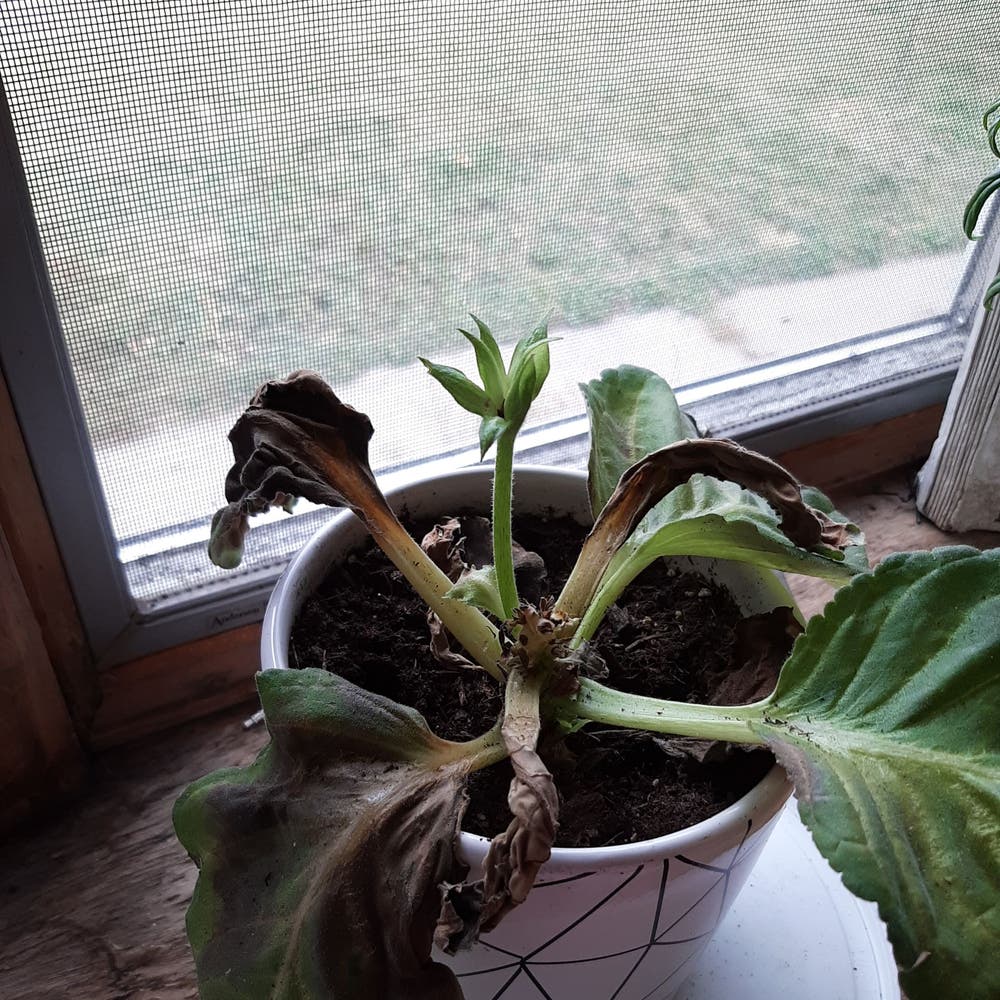
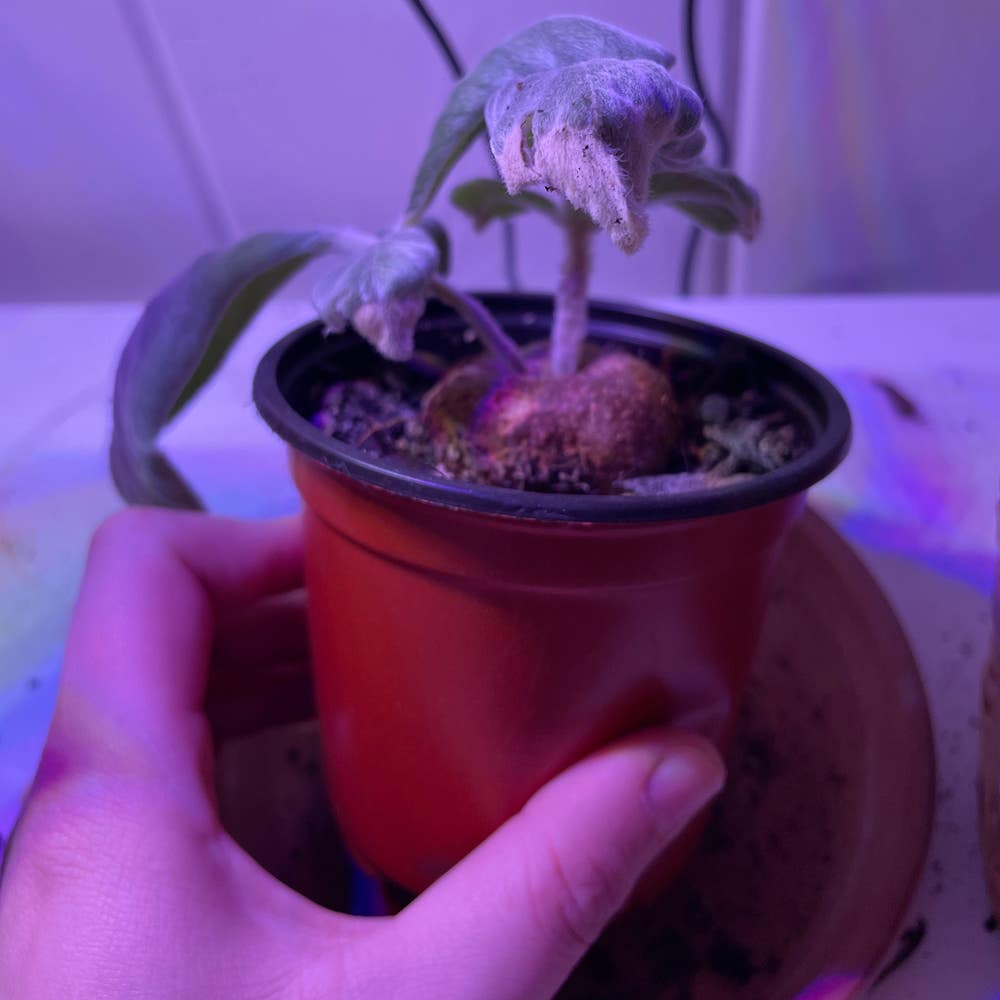
Brown spots on your Brazilian Edelweiss can be telltale signs of underlying issues. Size matters; tiny dots could be a minor irritation, while larger blotches often indicate a more severe problem. The shape is also a clue—irregular spots might point to pests, whereas uniform spots could suggest environmental stress. Pay attention to the location: spots on leaf tips often signal watering issues, while center spots may hint at disease.
🌿 Environmental Stress Signals
Your plant's environment can be a breeding ground for brown spots. Overwatering can leave your plant's roots drowning, while underwatering might cause them to gasp for moisture. High humidity can turn your plant's habitat into a fungal fiesta, and low humidity can stress it out. Check for a pot that feels like a boulder—it's a sign that your soil is too wet.
🐜 Unwanted Guests: Pests and Diseases
Pests and diseases love to crash the party. Look for sticky residue or webbing, which are RSVPs from pests. Fungal diseases often bring along spots with halos or concentric rings, while bacterial issues might show up as slimy, water-soaked lesions. If your plant is oozing or the spots have a water-soaked look, bacteria might be feasting on your foliage.
First Aid for Brown Spots
💧 Adjusting Your Watering Routine
Underwatering and overwatering can both lead to brown spots on your Brazilian Edelweiss. To strike the right balance, let the top inch of soil dry out before watering again. Feel the weight of your plant; a lighter pot signals it's time to water.
💦 Balancing Humidity: Not Too Much, Not Too Little
Your Brazilian Edelweiss craves just the right amount of humidity. Too dry, and the leaves will protest with brown spots; too moist, and you're in a fungal hotspot. Use a humidifier or a pebble tray to maintain that sweet spot of humidity.
🐜 Evicting Pests: Natural and Chemical Warfare
Pests love your plant as much as you do, but their love leaves behind those dreaded brown spots. Start with natural remedies like neem oil or insecticidal soap. If the infestation is more like a full-scale invasion, it's time to bring out the big guns—chemical pesticides. Remember, follow the label to the letter and gear up with safety equipment.
Keeping Spots at Bay: Prevention Tactics
💧 Watering Wisdom: Avoiding Over and Underwatering
Watering is like the pulse of your plant care—get it wrong, and your Brazilian Edelweiss will show it. Check the soil's moisture level before watering; think of it as asking for consent. If it's dry, go ahead. If not, hold off. Remember, the soil should feel like it's longing for a drink, not already sloshed.
🐜 Regular Check-Ups: Pest Patrol and Disease Prevention
Inspect your Brazilian Edelweiss like it's a priceless artifact. Look for freeloaders (pests) and signs of disease. If you spot trouble, act fast—neem oil or insecticidal soap can be your first line of defense. Keep your gardening tools as clean as a whistle; cross-contamination is a silent killer.
🌿 Creating the Perfect Environment
Humidity and light are your plant's roommates, and they need to get along. Aim for a balance—too much humidity and your plant's leaves become a fungal fiesta; too little and they'll throw a dehydration tantrum. Light should be bright but indirect, like a sunny spot shielded by a sheer curtain.
⚠️ Safety First
This content is for general information and may contain errors, omissions, or outdated details. It is not medical, veterinary advice, or an endorsement of therapeutic claims.
Always consult a qualified healthcare professional before using any plant as food, medicine, or supplement.
Never eat any plant (or feed one to pets) without confirming its identity with at least two trusted sources.
If you suspect poisoning, call Poison Control (800) 222-1222, the Pet Poison Helpline (800) 213-6680, or your local emergency service immediately.
Spotted an error? Please report it here.
Eradicate brown spots 🍂 on your Brazilian Edelweiss by letting Greg tailor your plant's care, from moisture monitoring to perfecting the light, ensuring a spotless and healthy green companion.