3 Ideal Companions for Your Brazilian Edelweiss 🌼
Sinningia leucotricha
By the Greg Editorial Team
Sep 28, 2024•5 min read
This article was created with the help of AI so we can cover more plants for you. May contain errors. See one? Report it here.
Boost your garden's health 🌱 by pairing Brazilian Edelweiss with ideal companion plants for vibrant growth!
- 🌼 Yarrow, Lavender, and Sedum are ideal companions for Brazilian Edelweiss, thriving together.
- 🐞 Companion plants attract beneficial insects, enhancing pest control and garden health.
- 🌿 Avoid heavy feeders and moisture-loving plants to protect your Brazilian Edelweiss.
Ideal Companions for Brazilian Edelweiss
🌼 Companion Plant 1: Yarrow
Yarrow is a hardy perennial celebrated for its feathery foliage and clusters of vibrant flowers. This plant not only adds beauty to your garden but also offers numerous benefits.
Similar care needs (difficulty: easy)
Yarrow thrives in well-drained, rocky soils, making it an excellent companion for Brazilian Edelweiss. It prefers full sun and can tolerate cooler temperatures, aligning perfectly with the needs of your Edelweiss.
Pest repellent properties
One of Yarrow's standout features is its ability to attract beneficial insects like ladybugs, which prey on aphids. Additionally, it serves as a natural deterrent for pests such as spider mites.
Visual appeal
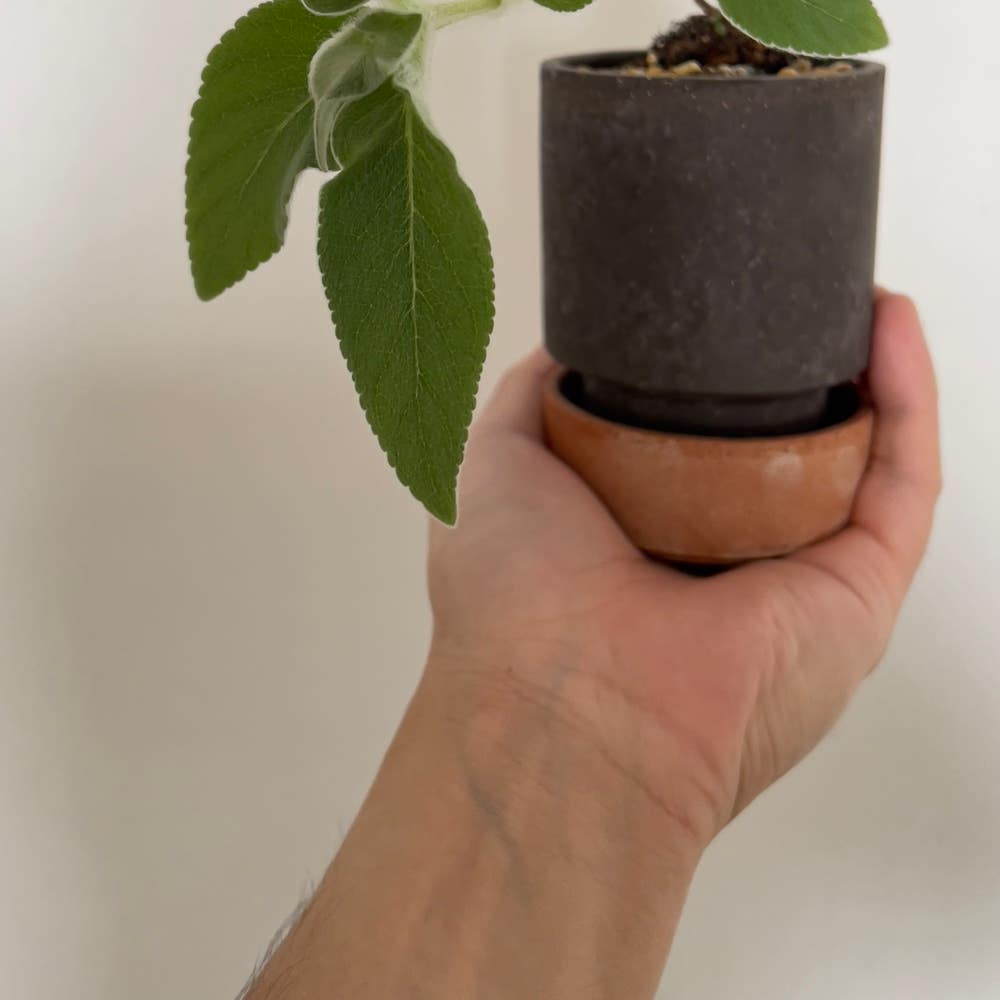
With vibrant yellow, white, or pink flowers, Yarrow beautifully contrasts with the silvery-white foliage of Brazilian Edelweiss. This visual diversity enhances the overall aesthetic of your garden.
💜 Companion Plant 2: Lavender
Lavender is a fragrant perennial that not only smells delightful but also attracts pollinators and beneficial insects. Its presence in your garden can significantly enhance biodiversity.
Similar care needs (difficulty: easy)
Like Brazilian Edelweiss, Lavender prefers well-drained soil and full sun. It is drought-tolerant, requiring minimal watering, making it an easy-care companion.
Pest repellent properties
The strong scent of Lavender repels pests like moths and mosquitoes. By attracting pollinators, it further enriches the garden ecosystem.
Visual appeal
Lavender provides a stunning purple hue that complements the silvery-white leaves of Brazilian Edelweiss. This combination creates a visually striking landscape.
🌱 Companion Plant 3: Sedum
Sedum is a resilient succulent known for its fleshy leaves. This plant is not only low-maintenance but also adds unique texture to your garden.
Similar care needs (difficulty: easy)
Sedum thrives in well-drained, rocky soils and requires minimal water. Its preference for full sun makes it a compatible partner for Brazilian Edelweiss.
Pest repellent properties
Sedum's thick, waxy leaves deter pests like aphids and mealybugs. This natural defense mechanism helps protect your Brazilian Edelweiss from potential threats.
Visual appeal
With a variety of colors and textures, Sedum enhances visual diversity in your garden. Its unique appearance pairs well with the silvery-white foliage of Brazilian Edelweiss.
By incorporating these companion plants, you can create a thriving garden that not only looks beautiful but also supports a healthy ecosystem. Next, let’s explore which plants to avoid near Brazilian Edelweiss to ensure optimal growth and health.
Plants to Avoid Near Brazilian Edelweiss
🚫 Heavy Feeders to Avoid
When planning your garden, steer clear of heavy feeders like tomatoes and corn. These plants can sap vital nutrients from the soil, leaving your Brazilian Edelweiss struggling to thrive.
💧 High Moisture Plants
Also, avoid plants that require high moisture levels, such as ferns. These moisture-loving plants can create an environment that’s not ideal for the dry-loving Brazilian Edelweiss.
❌ Reasons for Incompatibility
Competition for Nutrients
Heavy feeders can deplete essential nutrients that Brazilian Edelweiss needs to flourish. This competition can stunt its growth and overall health.
🐛 Pest Attraction
Certain plants may attract pests that could harm your Brazilian Edelweiss. Keeping these incompatible plants at bay helps maintain a healthier garden ecosystem.
By being mindful of what you plant nearby, you can ensure your Brazilian Edelweiss gets the best care possible. Next, let’s explore how companion plants can enhance pest management in your garden.
Pest Management Strategies
How Companion Plants Contribute to Pest Management 🌱
Companion plants serve as a natural barrier against pests, creating a protective shield for your Brazilian Edelweiss. By strategically placing these plants, you can enhance your garden's defenses.
They also attract beneficial insects, such as ladybugs and lacewings, which prey on harmful pests. This natural pest control method reduces the need for chemical interventions.
Examples of Pests That Brazilian Edelweiss May Face 🐛
Brazilian Edelweiss can encounter several common pests, including:
- Aphids: Small, sap-sucking insects that can weaken your plants.
- Spider Mites: Tiny pests that thrive in dry conditions, causing leaf damage.
- Whiteflies: These pests can create a sticky residue and lead to sooty mold.
Understanding these threats is crucial for effective pest management.
Role of Companion Plants in Deterring Pests 🚫
Certain companion plants can repel pests through their strong scents. For instance, lavender's fragrance is known to deter moths and mosquitoes, keeping your garden healthier.
Additionally, some plants attract predators that feast on these pests. By incorporating the right companions, you can create a balanced ecosystem that supports your Brazilian Edelweiss.
Incorporating these pest management strategies not only protects your plants but also enhances the overall health of your garden. Next, let’s explore how companion planting can enhance garden diversity.
Enhancing Garden Diversity
🌱 Importance of Biodiversity in the Garden
Biodiversity is crucial for a balanced ecosystem. It promotes plant health and resilience, ensuring that your garden thrives.
A diverse garden attracts beneficial insects and pollinators. These allies help with pollination and pest control, creating a vibrant and productive environment.
🌼 How Companion Planting with Brazilian Edelweiss Promotes a Healthy Ecosystem
Companion planting increases plant compatibility. This strategy reduces the likelihood of pest outbreaks, allowing your Brazilian Edelweiss to flourish.
Additionally, diverse root systems enhance soil health and nutrient availability. This synergy supports overall garden vitality, making it a win-win for both plants and gardeners.
Incorporating companion plants not only beautifies your space but also fosters a thriving ecosystem. Embrace the diversity and watch your garden come to life!
⚠️ Safety First
This content is for general information and may contain errors, omissions, or outdated details. It is not medical, veterinary advice, or an endorsement of therapeutic claims.
Always consult a qualified healthcare professional before using any plant as food, medicine, or supplement.
Never eat any plant (or feed one to pets) without confirming its identity with at least two trusted sources.
If you suspect poisoning, call Poison Control (800) 222-1222, the Pet Poison Helpline (800) 213-6680, or your local emergency service immediately.
Spotted an error? Please report it here.
Create a thriving garden ecosystem 🌼 by pairing your Brazilian Edelweiss with Yarrow, Lavender, and Sedum, and let Greg guide you with personalized care tips and pest management reminders for ultimate success!