⚠️ Why Are My Brazilian Edelweiss Leaves Turning Yellow?
Sinningia leucotricha
By the Greg Editorial Team
Feb 14, 2024•4 min read
This article was created with the help of AI so we can cover more plants for you. May contain errors. See one? Report it here.
Solve the yellow-leaf mystery 🌿 and keep your Brazilian Edelweiss thriving with expert care tips!
- 💧🌿 Over/underwatering and nutrient lack cause yellow leaves; adjust water and fertilize.
- ☀️ Right light is crucial: too much or too little causes yellowing; use light meter apps.
- 🐛🔍 Pests and diseases can yellow leaves; isolate, treat, and maintain plant health.
Spotting Trouble: Yellow Leaves on Your Brazilian Edelweiss
⚠️ When Too Much Water Loves Too Little
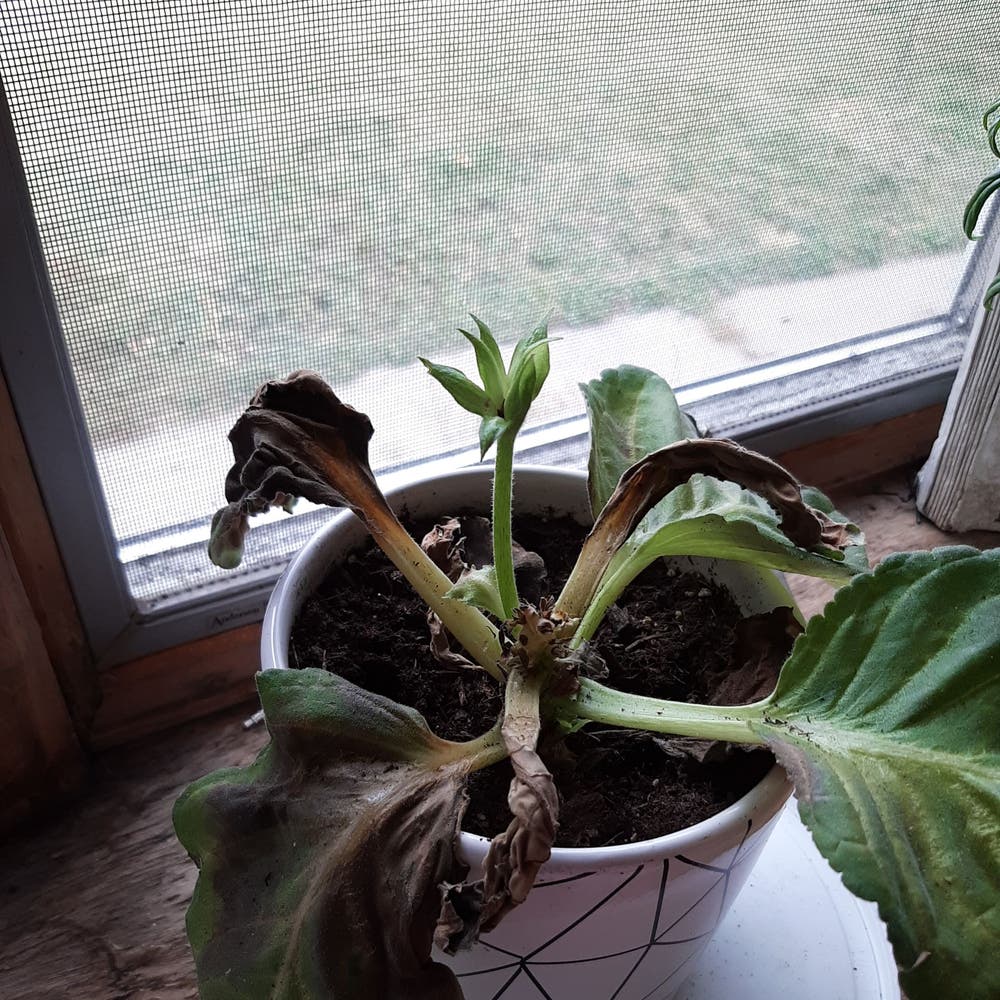
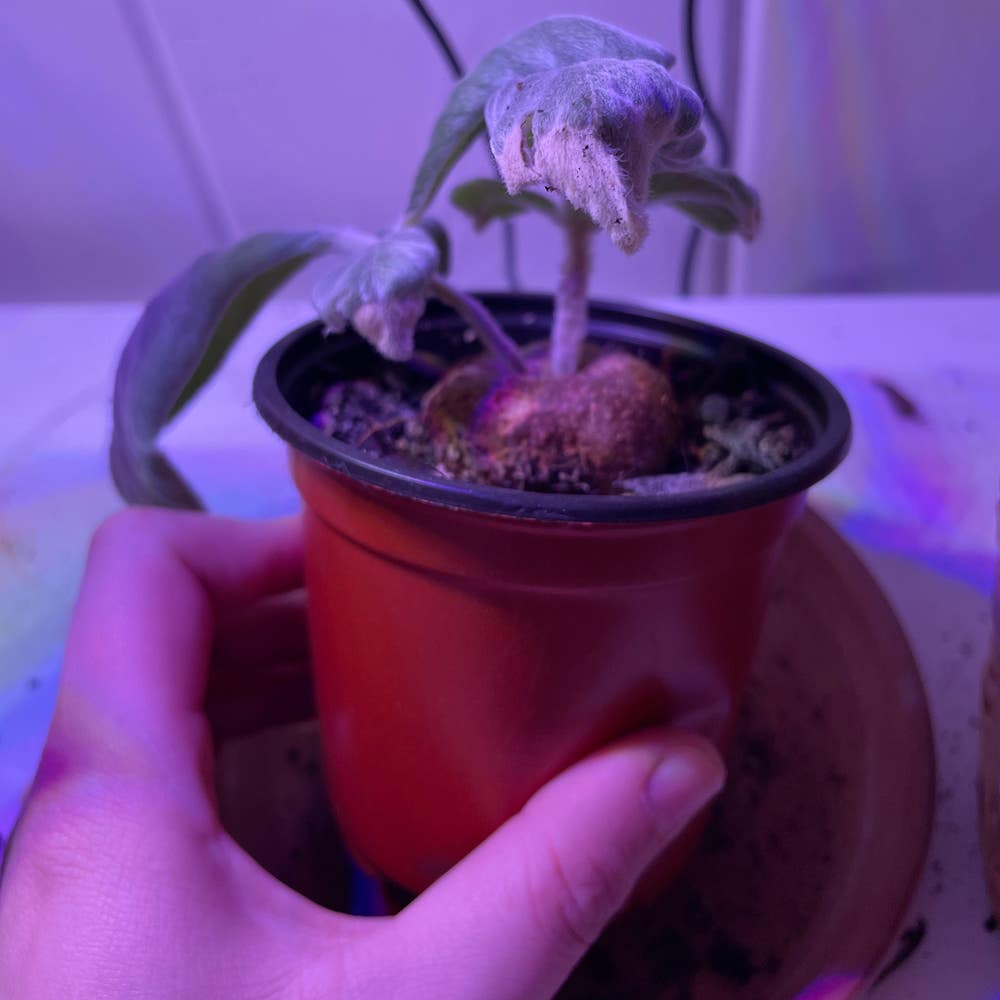
Overwatering is often the culprit when you spot yellow leaves on your Brazilian Edelweiss. The roots, craving air, are suffocated in soggy soil, leading to a condition known as root rot. This can cause leaves to turn yellow, become swollen, and even burst.
To fix this, balance your watering habits. Ensure the soil is moist but not waterlogged, and allow the top layer to dry out before watering again. Improving drainage is also key—consider adding perlite or sand to the soil mix.
🏜️ When Your Plant is Thirsty
Conversely, underwatering can leave your plant's leaves yellow and crispy. The plant pulls moisture from its leaves in desperation, leading to discoloration.
The solution is to find the sweet spot for watering frequency. Employ the "soak and dry" method—water thoroughly, then let the soil dry completely before the next watering. Adjust your routine with the seasons; less in the cool months, more when it's warmer.
🍽️ Feeding Frenzy: Nutrients Needed
Yellow leaves might also signal a nutrient deficiency. Nitrogen, potassium, and other essential nutrients are vital for plant health.
Develop a meal plan for your plant by choosing a balanced fertilizer and establishing a regular feeding schedule. Be careful not to over-fertilize, as this can harm the plant just as much as neglect.
Light It Up Right
🌞 Too Much Sun or Not Enough?
🎯 Finding the Sweet Spot
The quest for perfect lighting for your Brazilian Edelweiss is a delicate affair. Bright, indirect light reigns supreme, as direct sunlight can be as harsh as a midday desert, while too little light is like living in perpetual dusk.
The Adjustment Period
Transitioning to new light conditions requires patience. If the leaves are fading or the plant is stretching, it's time to relocate. A spot one meter away from a south-east facing window, perhaps with a sheer curtain as a buffer, often hits the mark.
Seasonal Shuffle
As seasons change, so does the light. Your plant might need to move to maintain that Goldilocks zone. Keep an eye on the seasonal light shift; what worked in spring might scorch in summer.
Light Meter Apps
For the tech-savvy, light meter apps can take the guesswork out of finding the ideal intensity. They can help ensure your plant isn't basking in too much glory or sulking in the shadows.
Indirect Light for the Win
Remember, the Brazilian Edelweiss isn't a sun worshipper. It thrives in indirect light—too much sun and you risk a leafy apocalypse, too little and growth becomes stunted. It's about finding that balance where leaves stay vibrant without getting sunburnt.
Consistent Conditions
Strive for consistent light conditions, avoiding drafts and heat sources. It's about creating a stable environment where your plant feels comfortably at home.
When Natural Light Isn't Enough
If your indoor setting can't provide the necessary rays, consider grow lights. They can mimic daylight, helping your plant maintain its natural rhythm—just be sure not to overdo it.
Observing Plant Feedback
Your plant will communicate its needs. Brown edges may signal too much light, while stunted growth suggests it's time to turn up the brightness. It's a dance, and you're the choreographer, adjusting steps as needed.
The Unseen Culprits: Pests and Diseases
🔍 Playing Detective: Spotting the Signs
Yellowing leaves can be a red flag for pest infestations or diseases in your Brazilian Edelweiss. Pests like aphids and spider mites are notorious for causing discoloration and may leave behind sticky residue or webbing. Fungal diseases, on the other hand, often manifest as unsightly spots or powdery coatings.
🛡️ The Battle Plan
Eviction Notice
To tackle pests, isolation is critical to prevent spreading. Use insecticidal soap or neem oil for a targeted approach, ensuring you hit all the nooks and crannies. For diseases, remove any infected foliage immediately and consider fungicides as a last resort, always following the manufacturer's instructions.
Recovery Mode
Boosting your plant's overall health is the best way to recover from pest or disease damage. Ensure proper care—adequate light, water, and nutrients—and maintain cleanliness around your plant to discourage future invasions. Regular inspections are your best defense; catch problems early, and your Brazilian Edelweiss will thank you.
Keeping the Green: Prevention Tactics
🌱 Consistency is Key
Routine care is the backbone of plant health. Establish a care schedule that aligns with the seasons—less water in the winter, more as temperatures rise. Avoid environmental shock; keep your Brazilian Edelweiss away from drafty spots and maintain a stable temperature.
🏡 The Right Home: Soil and Pot Choices
Soil quality is non-negotiable. Opt for a well-draining mix, and consider adding organic matter to keep it aerated. When it comes to pots, ensure they have adequate drainage holes to prevent waterlogging. Remember, compacted soil is a no-go—your plant's roots aren't fans of tight spaces.
⚠️ Safety First
This content is for general information and may contain errors, omissions, or outdated details. It is not medical, veterinary advice, or an endorsement of therapeutic claims.
Always consult a qualified healthcare professional before using any plant as food, medicine, or supplement.
Never eat any plant (or feed one to pets) without confirming its identity with at least two trusted sources.
If you suspect poisoning, call Poison Control (800) 222-1222, the Pet Poison Helpline (800) 213-6680, or your local emergency service immediately.
Spotted an error? Please report it here.
Prevent your Brazilian Edelweiss from turning yellow 🍃 by using Greg's personalized reminders to perfect watering, light, and feeding schedules for your plant's needs.