Should I Repot My Brazilian Edelweiss?
Sinningia leucotricha
By the Greg Editorial Team
Feb 14, 2024•4 min read
This article was created with the help of AI so we can cover more plants for you. May contain errors. See one? Report it here.
Give your Brazilian Edelweiss a growth spurt 🌱 by mastering the timely art of repotting!
- Roots peeking out? Time to repot your Brazilian Edelweiss.
- 🌱 Choose the right pot: Terracotta for breathability, ceramic for moisture, plastic for budget.
- Post-repot care: Watch for stress signals and adjust care.
Spotting the Tell-Tale Signs for Repotting
🌱 Root-bound or just shy? Identifying when your plant is cramped
If you see roots peeking out of the pot's drainage holes, it's not a shy hello; it's a desperate wave for attention. Your Brazilian Edelweiss is telling you it's packed tighter than a subway at rush hour.
💧 Water woes: How poor drainage screams for a repot
When water flows through the pot like a river rapid, it's a sign that your plant is more root than soil. Drainage should be smooth, not a flash flood. Conversely, if the soil stays soggy, your plant's roots are probably throwing a silent tantrum.
🌱 Growth grumbles: When your plant's size tells a story
If your Brazilian Edelweiss's growth has hit a plateau, it's not being lazy—it's begging for a new home. A plant's growth spurt should be celebrated with a new pot, not constrained by the old one.
Picking the Perfect Pot
📏 Size Matters: Finding the Right Fit for Your Brazilian Edelweiss
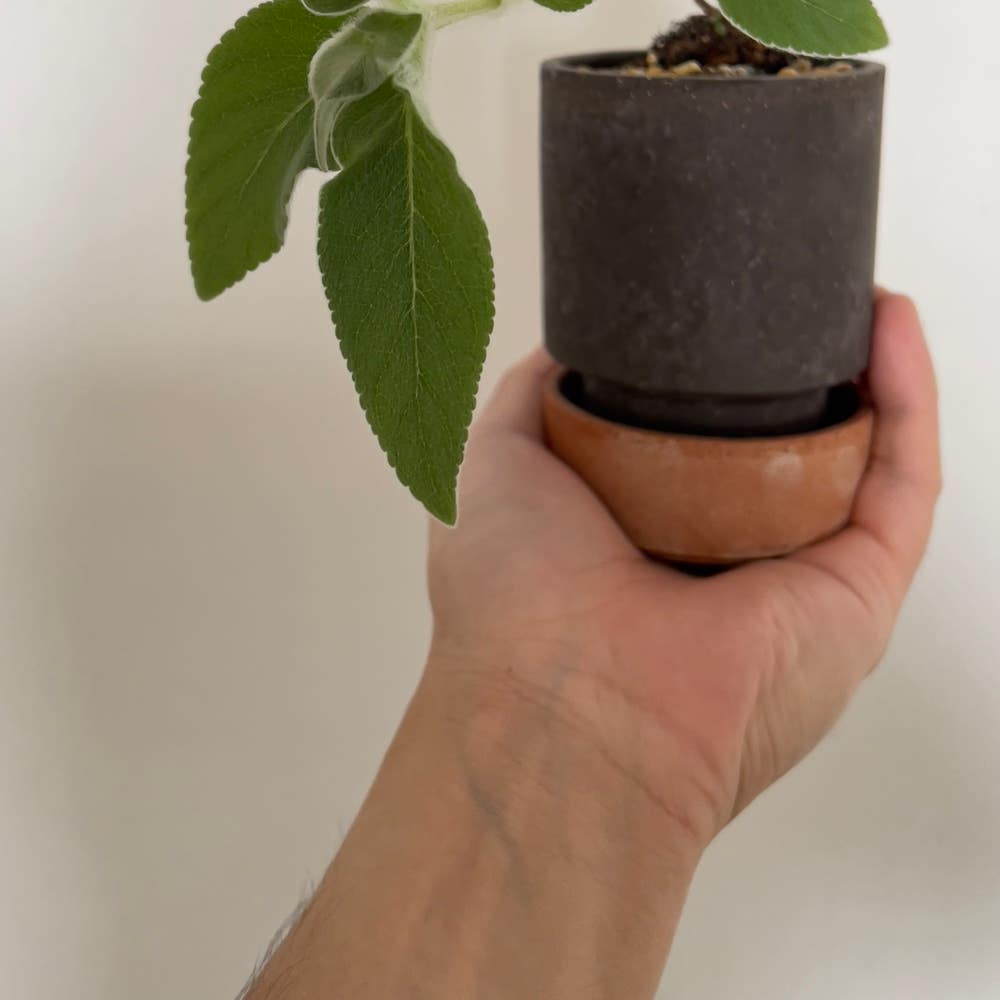
Choosing a pot for your Brazilian Edelweiss is like picking a house for yourself—it needs to be just right. Go too big, and your plant's roots might drown in soil. Too small, and they'll feel like they're in a straitjacket. Aim for a pot that's about one to two inches larger in diameter than the current one. This gives your plant room to grow without swimming in excess soil.
🏺 Material World: Terracotta vs. Ceramic vs. Plastic Showdown
Terracotta is the breathable choice, letting soil dry out and roots breathe easy. It's the go-to for over-waterers. Ceramic pots are less porous, which means they hold moisture longer, but they're also heavier and can be pricier. If you're after low maintenance, plastic is your pal—lightweight and budget-friendly, but watch out for waterlogging. Remember, no matter the swagger of the pot, drainage holes are the hill you want to die on.
🚰 Drainage Dreams: Ensuring Your Choice Promotes Plant Health
Drainage isn't just a nice-to-have; it's the life preserver for your plant's roots. Without a way for excess water to escape, you're setting the stage for root rot—every plant parent's nightmare. So, whether you fall for the rustic charm of terracotta, the sleek lines of ceramic, or the practicality of plastic, make sure those drainage holes are there. If not, grab a drill and get to work. Your Brazilian Edelweiss will thank you with growth.
The Repotting Rundown
🌱 Step 1: Prepping Your Plant
Water your Brazilian Edelweiss the day before repotting. This makes the root ball more malleable, easing the transition from old pot to new.
🌿 Step 2: The Perfect Potting Mix
Blend a potting mix that boasts drainage and aeration. Consider adding perlite or pumice to a standard mix, ensuring your Brazilian Edelweiss won't sit in soggy soil.
🌱 Step 3: Gentle Roots, Happy Transition
Ease the plant out of its current pot, being mindful of the roots. Trim any dead or overly long roots to encourage healthy growth.
🌿 Step 4: Settling In
Position your plant in the new pot at the same depth it was before. Fill in with your potting mix, tap to settle, then water to help it feel at home. Avoid direct sunlight or deep shade as it adjusts.
Immediate Aftercare: The First Weeks
💧 Watering Wisdom: Keeping the Balance After Repotting
Wait before the first watering to let the roots recover from the shock of repotting. When you do water, aim for moist, not soggy soil. Over the next few weeks, monitor the soil's moisture level before each watering—too much enthusiasm can lead to root rot, while too little can leave your plant parched.
🌞 Light and Location: Ensuring Your Plant's Comfort
Post-repot, your Brazilian Edelweiss isn't looking for a tan. Position it in a spot with bright, indirect light to avoid leaf burn. Steer clear of temperature fluctuations and drafts that could send your plant into a tailspin. Consistency is key to helping your plant settle into its new home.
🚨 Stress Signals: What to Watch For and How to Respond
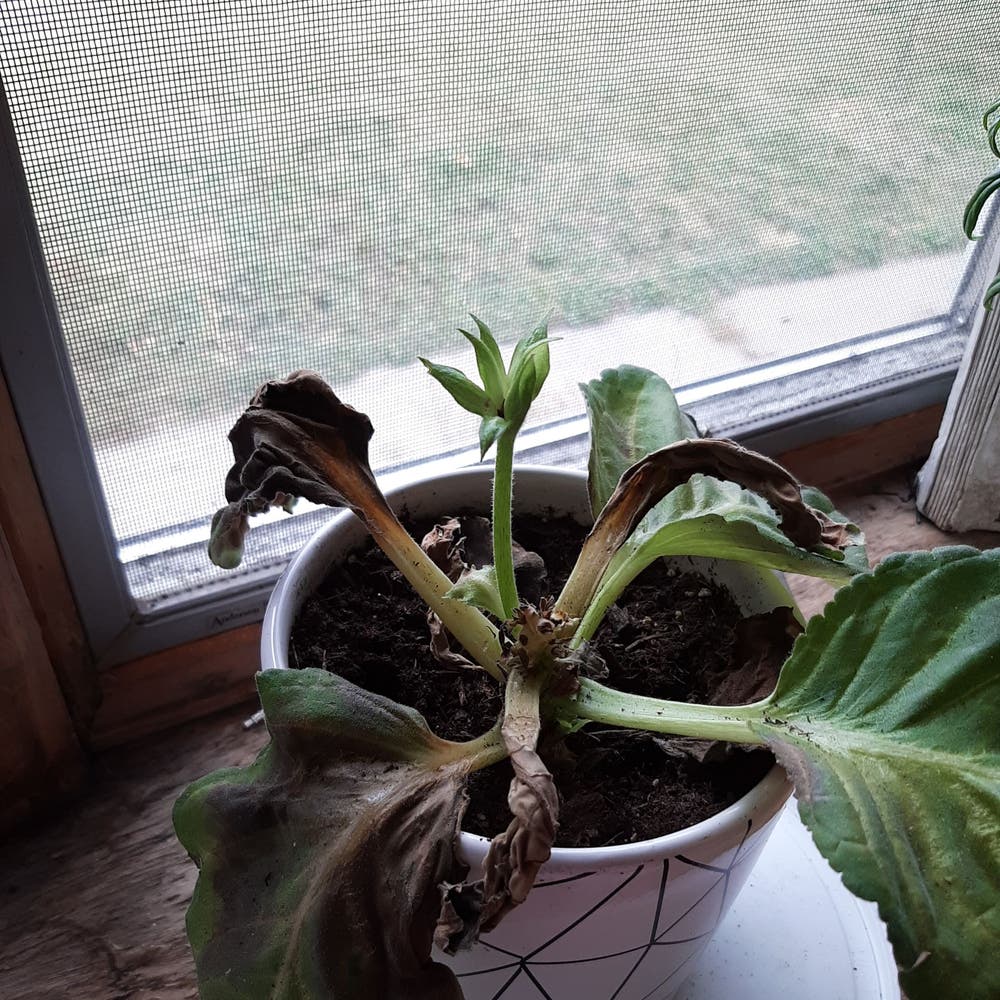
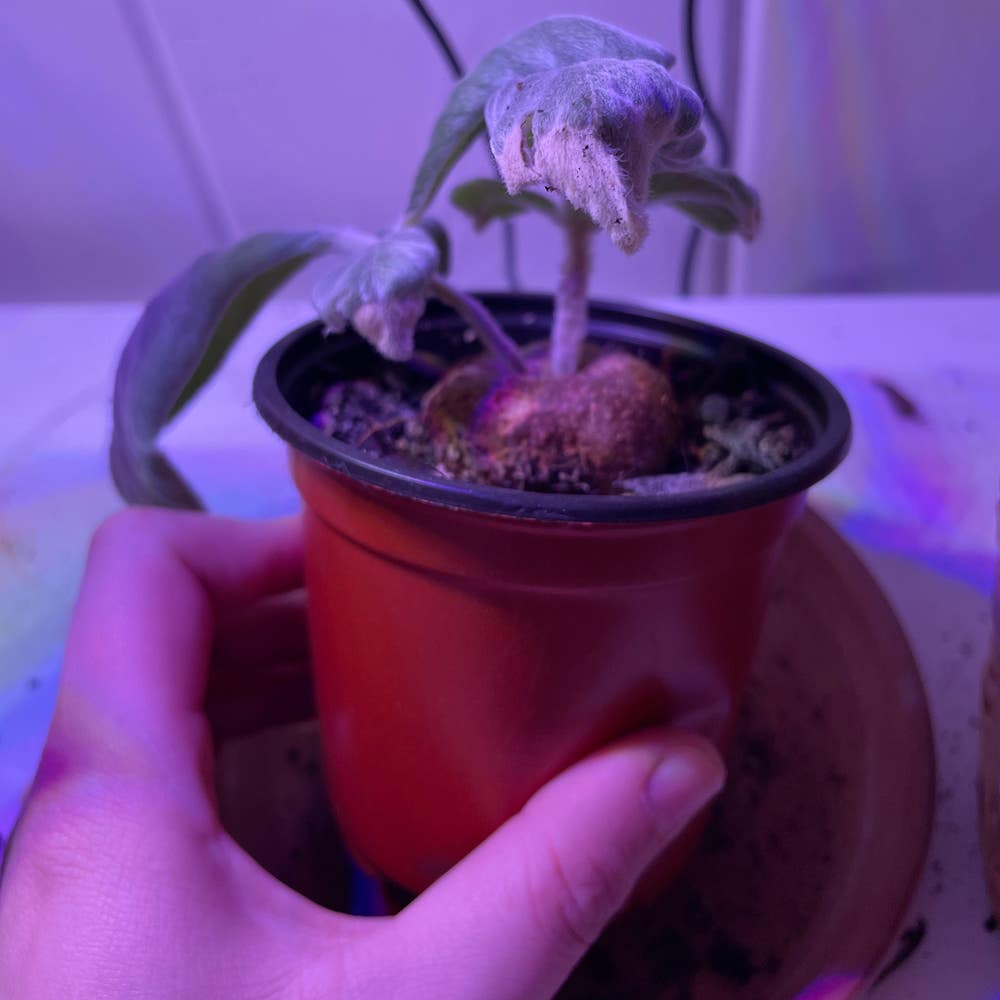
Keep an eye out for the plant equivalent of a cry for help. Yellow leaves or a droopy demeanor are distress signals. If you spot these, reassess your care routine—maybe your plant's begging for less water or craving a different spot away from that drafty window. Remember, your plant isn't being dramatic; it's just acclimating to its new digs.
⚠️ Safety First
This content is for general information and may contain errors, omissions, or outdated details. It is not medical, veterinary advice, or an endorsement of therapeutic claims.
Always consult a qualified healthcare professional before using any plant as food, medicine, or supplement.
Never eat any plant (or feed one to pets) without confirming its identity with at least two trusted sources.
If you suspect poisoning, call Poison Control (800) 222-1222, the Pet Poison Helpline (800) 213-6680, or your local emergency service immediately.
Spotted an error? Please report it here.
Ensure your Brazilian Edelweiss thrives in its new pot by following these signs and let Greg remind you 📅 when it's time to repot based on your plant's unique environment and growth.