10 Advantages of Having a Brazilian Edelweiss
Sinningia leucotricha
By the Greg Editorial Team
Feb 14, 2024•3 min read
This article was created with the help of AI so we can cover more plants for you. May contain errors. See one? Report it here.
Embrace the Brazilian Edelweiss 🌟—a star in sustainable beauty and cultural storytelling for your garden.
- 🌟 Star-shaped blooms and velvety leaves make it a visual standout.
- 💧 Drought-tolerant: an eco-friendly choice for sustainable gardening.
- 🐝 Attracts pollinators, enhancing garden biodiversity and health.
A Touch of the Tropics in Your Backyard
🌺 Exotic Aesthetics
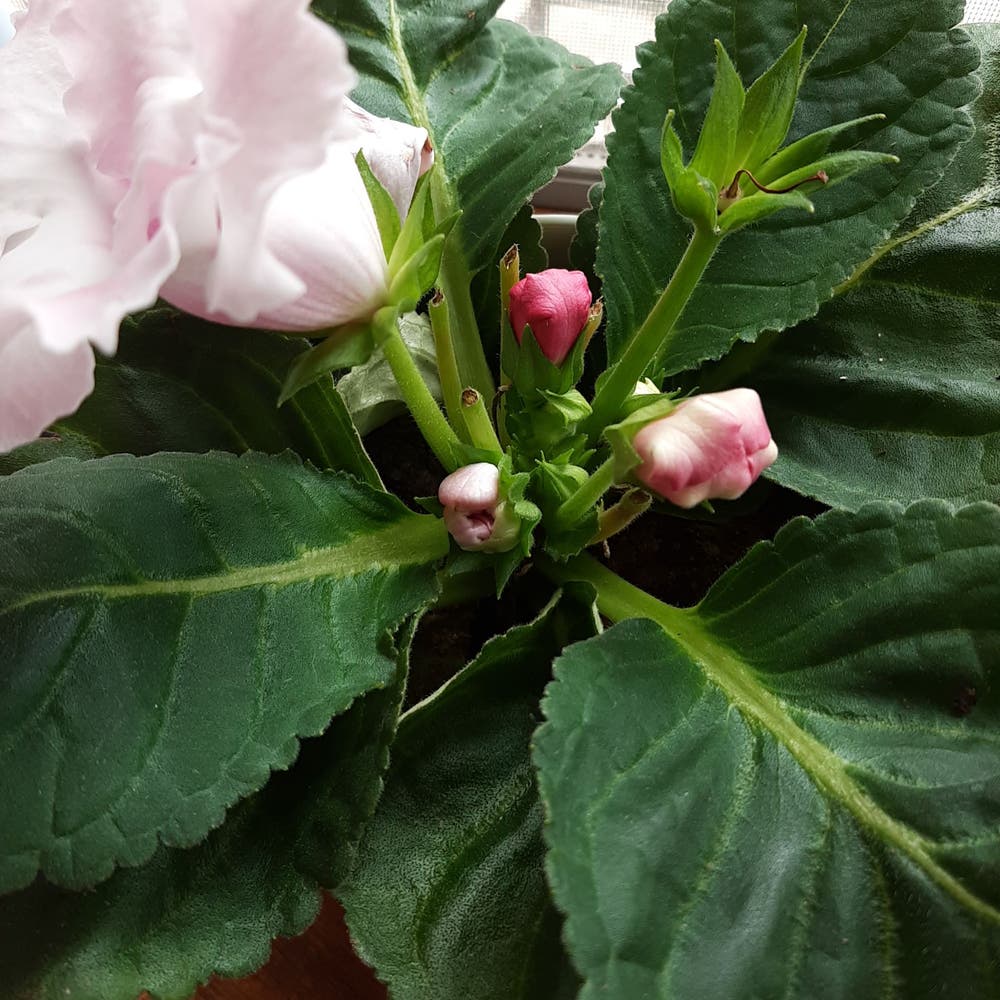
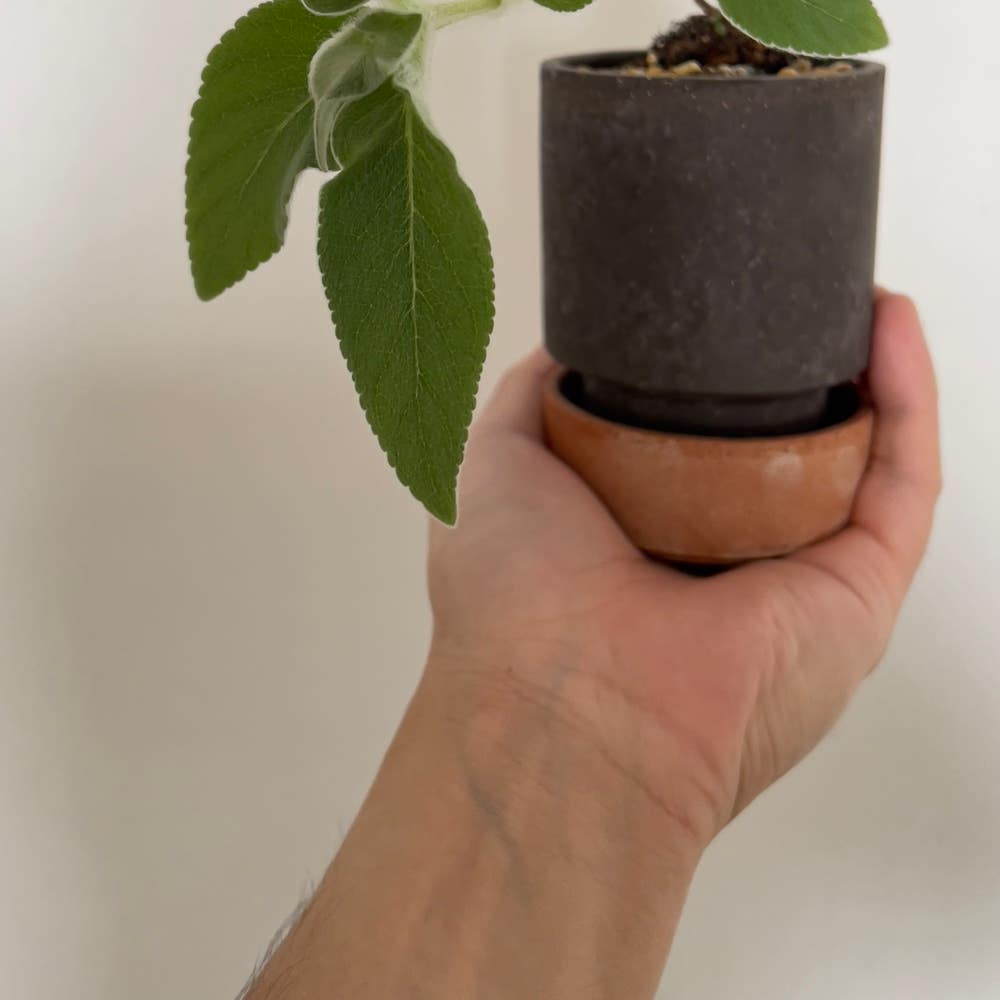
The Brazilian Edelweiss isn't your average backyard bloom. Star-shaped flowers and velvety leaves make it a natural showstopper. It's the kind of plant that sparks conversations and turns heads, with a presence that's both exotic and accessible.
🌸 A Fragrant Surprise
Beyond its visual charm, the Brazilian Edelweiss packs a sensory punch with its sweet fragrance. This unexpected aroma can transform a garden or home, creating an olfactory experience that's as inviting as the plant's tropical allure. It's a fragrant surprise that elevates any space it inhabits.
Nature's Resilient Masterpiece
💧 Thriving with Minimal Water
The Brazilian Edelweiss is a drought champion, requiring scant water to maintain its lush appearance. Its ability to prosper with minimal hydration positions it as a sustainable choice for eco-conscious gardeners.
🌱 A Symbol of Perseverance
Embodying sheer resilience, this plant is a living testament to endurance. Gardeners admire its robust nature, often drawing inspiration from its ability to flourish against the odds.
A Plant with Purpose
🐝 Pollinators' Paradise
The Brazilian Edelweiss isn't just easy on the eyes; it's a magnet for bees and butterflies. Its blooms are like an all-you-can-eat buffet for these crucial pollinators, making it a heavyweight champion in the biodiversity ring. Local ecosystems thrive thanks to this plant's allure, ensuring that your garden is buzzing with life and contributing to a healthier planet.
💊 The Healing Touch
Beyond its good looks and environmental benefits, the Brazilian Edelweiss packs a punch with its medicinal properties. Traditional uses of the plant have included remedies for various ailments, adding a layer of intrigue and utility. It's not just a pretty face; it's a veritable medicine chest, offering more than just aesthetic pleasure to those who choose to cultivate it.
Cultural and Personal Connections
🌿 Roots in Folklore
The Brazilian Edelweiss, or Euphorbia bicompacta, may not be the stuff of global legend, but it's no less storied in the personal gardens where it grows. It's a plant that, while lacking a storied past in ancient texts, becomes a canvas for the stories we tell through our gardens.
🌱 A Living Legacy
In the realm of personal symbolism, the Brazilian Edelweiss stands tall as a testament to endurance and longevity. It's not just a plant; it's a living marker of one's journey, mirroring the resilience and growth we cherish in ourselves and our loved ones.
A Practical Choice for Modern Gardens
🌿 Adaptable Charm
The Brazilian Edelweiss is a landscaping chameleon, effortlessly fitting into diverse garden styles. Whether nestled in the nooks of a rockery or basking on a sunny balcony in a pot, its unique presence enhances any setting. It's not just about surviving; it's about thriving in environments ranging from the minimalist to the whimsical.
👃 Friendly to Sensitive Noses
For those who love gardens but not the sneezes they can bring, the Brazilian Edelweiss is a godsend. Its low allergen profile makes it a considerate choice for allergy sufferers. Imagine a garden that's a feast for the eyes without being a beast for the nose—a breath of fresh air for those sensitive to the usual pollen parade.
⚠️ Safety First
This content is for general information and may contain errors, omissions, or outdated details. It is not medical, veterinary advice, or an endorsement of therapeutic claims.
Always consult a qualified healthcare professional before using any plant as food, medicine, or supplement.
Never eat any plant (or feed one to pets) without confirming its identity with at least two trusted sources.
If you suspect poisoning, call Poison Control (800) 222-1222, the Pet Poison Helpline (800) 213-6680, or your local emergency service immediately.
Spotted an error? Please report it here.
Nurture your own symbol of perseverance with a Brazilian Edelweiss 🌟, and let Greg craft a custom watering plan to ensure it thrives in your unique garden space.