Soil Recommendations for Brazilian Edelweiss
Sinningia leucotricha
By the Greg Editorial Team
Feb 14, 2024•5 min read
This article was created with the help of AI so we can cover more plants for you. May contain errors. See one? Report it here.
Nurture a lush Brazilian Edelweiss 🌼 by perfecting its soil sanctuary – your green thumb's secret weapon!
- Mold signals too much moisture; improve drainage and airflow.
- Loosen compacted soil for better root growth and plant health.
- Regular soil check-ups ensure long-term Brazilian Edelweiss vitality.
Spotting and Fixing Unhappy Soil
🚨 Recognizing Trouble Signs
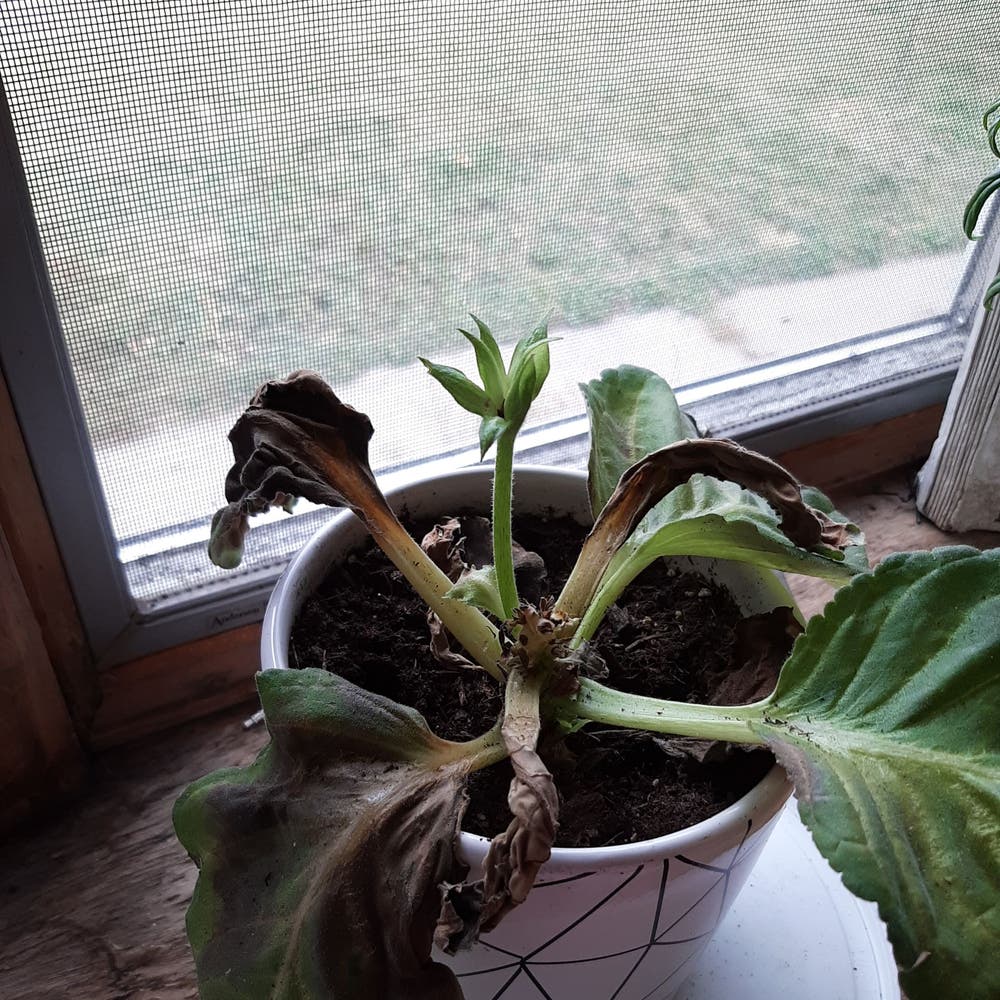
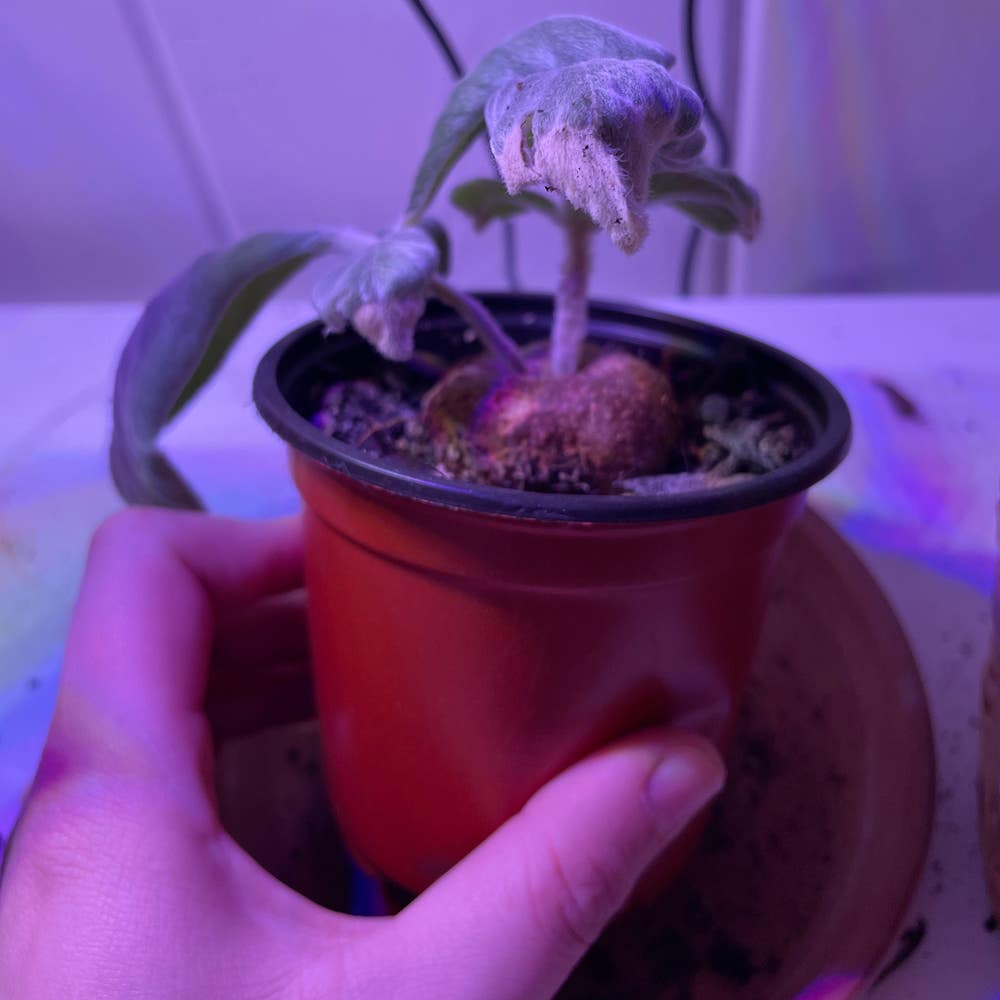
Mold in your Brazilian Edelweiss's soil is not a fashion statement; it's a distress signal. Musty smells and a greenish-white fuzz are mold's trademarks, hinting at excessive moisture. If your soil feels like a wet sponge, it's too soggy, and compacted soil is the botanical equivalent of a traffic jam, leaving roots with nowhere to go.
Turning Soil Frowns Upside Down
To banish mold, cut back on watering and boost airflow. A sunbath can work wonders. In extreme cases, a fresh start with sterile soil is the way to go. For soil that's more concrete than crumbly, it's time to introduce some grit. Mix in perlite or coarse sand to get the airiness of a rock concert mosh pit. If your soil's holding water like a dam, ensure your pot's drainage could rival Swiss cheese. Remember, overwatering is a sin in the plant world—water based on need, not routine.
Crafting the Perfect Soil Mix at Home
🌱 The Base Ingredients
Creating the ideal soil mix for Brazilian Edelweiss starts with a solid foundation. Aeration and drainage are key; hence, a blend of all-purpose potting soil, perlite, and coarse sand is essential. This trio ensures that water flows through without leaving the roots soggy, which is crucial for the health of your plant.
Organic matter, such as sphagnum peat moss, strikes the perfect balance for moisture retention. It's not just about holding water; it's about maintaining a consistent level of dampness that Brazilian Edelweiss roots crave. Plus, it helps in keeping the pH levels in check.
🌀 Mixing It Up
Step-by-Step Guide
- Sanitize your tools and container first; cleanliness is non-negotiable.
- Combine 3 parts potting soil with 2 parts sand or grit for that all-important drainage.
- Add in 1 part perlite to keep the mix light and airy.
- Throw in a scoop of worm castings or compost for a nutrient boost.
- For a touch of prevention, a sprinkle of horticultural charcoal can ward off mold.
Tailoring Your Mix
Remember, this mix isn't set in stone. Observe your Brazilian Edelweiss's response and be ready to tweak the ratios. If you notice the soil retaining too much moisture in the summer, dial back on the peat moss. In the cooler months, you might want to up it a notch to retain that extra bit of moisture.
Crafting your own soil mix is like being a soil chef—it's all about precision, adjustment, and a bit of experimentation. Your Brazilian Edelweiss will show its appreciation through vibrant growth and robust health.
Choosing the Best Commercial Soil Mixes
💧 What to Look For
When selecting a commercial soil mix for your Brazilian Edelweiss, drainage is king. A mix that holds water like a sponge is a no-go; you want one that lets excess moisture escape with ease. Organic matter should be present but in moderation—too much and you risk waterlogging your plant's roots.
Look for lightweight materials such as perlite or pumice listed on the bag; these are your soil's lifeguards, keeping your plant's roots from drowning. Ignore the flashy packaging; what's inside is what counts. Resealable bags, however, are a practical bonus, keeping your soil fresh until the next repotting.
🌿 Top Picks for Brazilian Edelweiss
The best commercial mixes for Brazilian Edelweiss strike a balance between aeration and moisture retention. Black Gold Cactus Mix is a tried-and-true option that won't disappoint. It's like the reliable sedan of soil mixes—nothing flashy, but it gets you where you need to go.
For those who prefer a bit more luxury, look for mixes that cater to succulents or cacti, as they usually have the drainage Brazilian Edelweiss craves. These premium mixes are the all-inclusive resorts for your plant, providing every necessity.
You'll find these top picks at your local garden center or online. Remember, the label is your treasure map; read it carefully to ensure you're giving your Brazilian Edelweiss the best possible home.
Long-Term Soil Health for Brazilian Edelweiss
💧 Regular Check-ups
Perform regular soil assessments to ensure your Brazilian Edelweiss continues to thrive. Like a wellness check, this involves feeling the soil for moisture levels and checking for compaction. If the soil clings together tightly or water pools on the surface, it's time for some TLC.
Monitor your plant's response to seasonal changes. Adjust your care routine accordingly, adding more organic matter in summer or reducing it in winter. This keeps the soil conditions optimal year-round.
🛡️ Preventative Measures
Prevention is key to maintaining long-term soil health. Implement a consistent watering schedule, allowing the soil to dry slightly between waterings. This prevents root rot and over-saturation.
Repot your Brazilian Edelweiss every 2 to 3 years to refresh the soil and prevent mineral buildup. This also gives you a chance to inspect the roots for any signs of distress.
Stay vigilant with your soil's pH and nutrient levels. A simple probe can be your best friend, helping you make precise adjustments to keep your plant in peak condition.
Remember, the best defense is a good offense. By proactively caring for your soil, you're setting your Brazilian Edelweiss up for a long, vibrant life.
⚠️ Safety First
This content is for general information and may contain errors, omissions, or outdated details. It is not medical, veterinary advice, or an endorsement of therapeutic claims.
Always consult a qualified healthcare professional before using any plant as food, medicine, or supplement.
Never eat any plant (or feed one to pets) without confirming its identity with at least two trusted sources.
If you suspect poisoning, call Poison Control (800) 222-1222, the Pet Poison Helpline (800) 213-6680, or your local emergency service immediately.
Spotted an error? Please report it here.
Boost your Brazilian Edelweiss's vitality by proactively managing its soil with customized care 🌱 from Greg, ensuring perfect moisture and aeration every time!