🌼 6 Indoor Brazilian Edelweiss Care Dos and Don'ts
Sinningia leucotricha
By the Greg Editorial Team
Sep 30, 2024•5 min read
This article was created with the help of AI so we can cover more plants for you. May contain errors. See one? Report it here.
Elevate your indoor garden with a flourishing Brazilian Edelweiss by mastering its essential care needs! 🌱
- 🌞 Brazilian Edelweiss needs 12-14 hours of bright, indirect sunlight daily for optimal growth.
- 💧 Water every 1-2 weeks; watch for yellow leaves as signs of overwatering.
- 🌿 Maintain humidity between 50-70% to mimic its natural habitat and prevent stress.
Light Requirements
Ideal Conditions 🌞
Brazilian Edelweiss thrives in bright, indirect sunlight. Aim for 12-14 hours of light daily to keep your plant healthy and vibrant.
Direct sunlight can scorch the leaves, so it's best to avoid it. Instead, position your plant where it can soak up that gentle light.
Role of Grow Lights 💡
If natural light is lacking, grow lights are a fantastic solution. They provide consistent exposure and can significantly enhance growth.
There are a couple of types to consider:
- LED: These are energy-efficient and have a long lifespan.
- Fluorescent: Great for seedlings and younger plants.
When choosing grow lights, keep these key factors in mind:
- Light Spectrum: Full-spectrum lights are ideal for mimicking natural sunlight.
- Wattage: Aim for 20-40 watts per square foot to ensure optimal coverage.
With the right light conditions, your Brazilian Edelweiss will flourish beautifully. Next, let’s explore its watering needs to keep it thriving.
Watering Needs
Frequency and Amount 🌊
Watering your Brazilian Edelweiss is crucial for its health. Aim to water every 1-2 weeks, adjusting based on your indoor conditions.
Make sure to water until it drains from the bottom of the pot. This ensures thorough saturation, allowing the roots to absorb what they need.
Signs of Overwatering and Underwatering 🚨
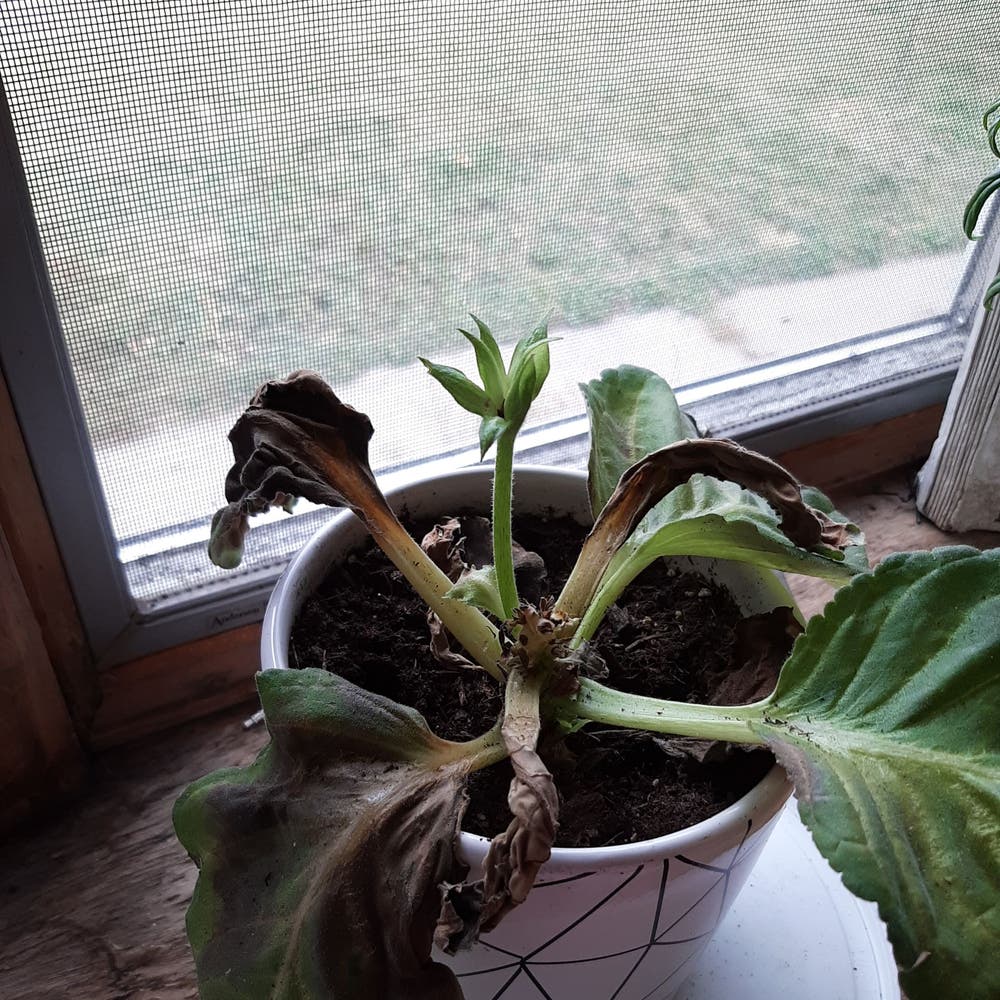
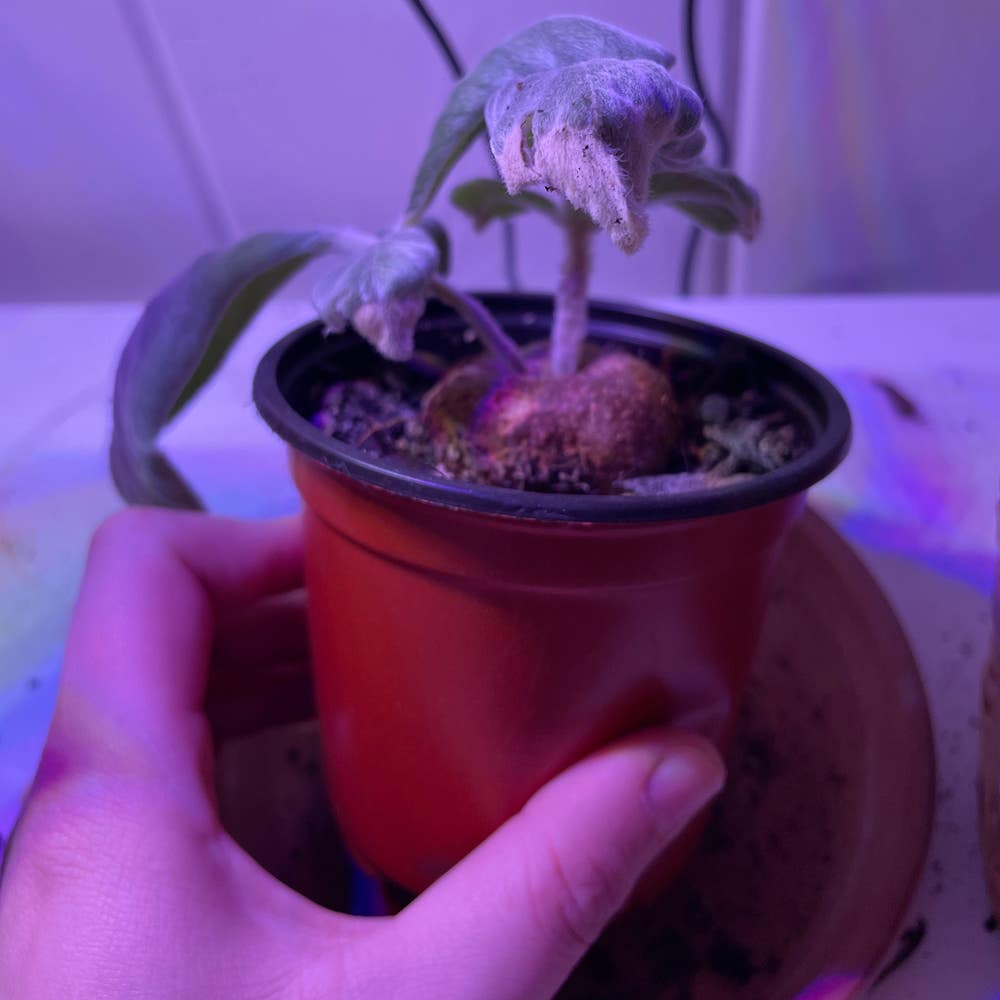
Recognizing the signs of overwatering is essential. Look for yellowing leaves, root rot, and mushy stems as indicators that you might be giving your plant too much water.
On the flip side, underwatering can lead to wilting leaves, dry soil, and crispy leaf edges. Keep an eye on your plant to maintain that perfect balance.
Understanding these watering needs will help you nurture your Brazilian Edelweiss effectively. Next, let’s explore the ideal humidity and temperature conditions for optimal growth.
Humidity and Temperature
Optimal Levels 🌧️
For your Brazilian Edelweiss to thrive, maintain humidity levels between 50-70%. This range mimics its natural habitat, promoting healthy growth.
To boost humidity, consider these methods:
- Use a humidifier: This is the most effective way to maintain consistent moisture in the air.
- Place a tray of water near the plant: As the water evaporates, it increases humidity around your plant.
Temperature Range 🌡️
The ideal temperature for your Brazilian Edelweiss is between 18°C to 24°C (65°F to 75°F). Keeping your plant within this range ensures optimal growth and flowering.
Be mindful of temperature fluctuations and drafts. Sudden changes can stress your plant, leading to poor health and growth.
Maintaining the right humidity and temperature is crucial for your Brazilian Edelweiss. With these conditions in check, your plant will flourish beautifully. Next, let’s explore the best soil types and fertilization strategies to keep your plant thriving.
Soil and Fertilization
Best Soil Types 🌱
For your Brazilian Edelweiss, a well-draining potting mix enriched with organic matter is essential. This combination ensures that the roots receive adequate moisture without becoming waterlogged.
Key components to include are:
- Peat moss: This helps retain moisture, keeping your plant hydrated.
- Perlite: It enhances aeration, promoting healthy root growth.
Fertilization Schedule 📅
To keep your plant thriving, fertilize every 4-6 weeks during the growing season. This regular feeding supports robust growth and vibrant blooms.
When it comes to fertilizer types, consider:
- Balanced liquid fertilizer: Look for an NPK ratio of 10-10-10 for optimal nutrient balance.
- Organic options: Fish emulsion or seaweed extract can provide a natural boost, enriching the soil without harsh chemicals.
By following these soil and fertilization guidelines, your Brazilian Edelweiss will flourish beautifully. Next, let’s explore how to tackle common issues that may arise in your indoor garden.
Common Issues and Solutions
🐛 Pests and Diseases
Common Pests
Aphids and spider mites are the most common pests affecting Brazilian Edelweiss. Aphids are small, green insects that suck sap, while spider mites create webbing and cause stippling on leaves.
Prevention and Treatment
To keep your plant healthy, regularly inspect for signs of these pests. If you spot them, treat your plant with insecticidal soap or neem oil. Additionally, introducing beneficial insects like ladybugs can provide natural pest control.
🌪️ Environmental Stress
Signs of Stress
Watch for leaf curling or browning at the edges, which can indicate stress. Stunted growth and poor flowering are also signs that your plant may not be thriving.
Solutions
To alleviate stress, adjust humidity levels using a humidifier or pebble trays. It's also crucial to maintain stable temperatures, keeping your plant away from drafts and heat sources.
By addressing these common issues, you can ensure your Brazilian Edelweiss remains vibrant and healthy. Next, let’s explore the best placement and maintenance practices to keep your plant thriving.
Placement and Maintenance
Best Locations 🌅
For your Brazilian Edelweiss, the best placement is near east or west-facing windows. This ensures they receive the bright, indirect sunlight they crave.
Avoid spots near air conditioning vents or heaters, as these can create temperature fluctuations that stress the plant.
Maintenance Tips 🛠️
Pruning Techniques ✂️
Regular pruning is essential for a healthy plant. Remove dead or yellowing leaves to encourage new growth and keep your Edelweiss looking its best.
Shaping the plant through pruning can also promote a bushier appearance, making it a more attractive addition to your indoor space.
Seasonal Adjustments 🍂
As the seasons change, so should your care routine. Adjust your watering frequency based on the time of year to prevent over or underwatering.
In winter, when indoor air tends to be drier, consider increasing humidity levels. This can be easily achieved with a humidifier or by placing a tray of water nearby.
By following these placement and maintenance tips, your Brazilian Edelweiss will thrive, bringing a touch of beauty to your home. Next, let’s explore common issues and solutions to keep your plant healthy and vibrant.
⚠️ Safety First
This content is for general information and may contain errors, omissions, or outdated details. It is not medical, veterinary advice, or an endorsement of therapeutic claims.
Always consult a qualified healthcare professional before using any plant as food, medicine, or supplement.
Never eat any plant (or feed one to pets) without confirming its identity with at least two trusted sources.
If you suspect poisoning, call Poison Control (800) 222-1222, the Pet Poison Helpline (800) 213-6680, or your local emergency service immediately.
Spotted an error? Please report it here.
Nurture your Brazilian Edelweiss to bloom beautifully 🌼 with Greg's tailored care reminders and light tips that ensure your plant thrives in its perfect environment!