💦 How Much Humidity Does My Brazilian Edelweiss Need?
Sinningia leucotricha
By the Greg Editorial Team
Feb 14, 2024•3 min read
This article was created with the help of AI so we can cover more plants for you. May contain errors. See one? Report it here.
Ensure your Brazilian Edelweiss flourishes by mastering its ideal humidity sweet spot 🌿💧.
- 40-60% humidity ideal for Brazilian Edelweiss health.
- 🌱 Shriveled or wilted leaves? Check humidity and airflow.
- Hygrometers and pebble trays help maintain perfect moisture levels.
Dialing in the Perfect Humidity for Brazilian Edelweiss
🌿 What Brazilian Edelweiss Craves
Brazilian Edelweiss thrives in a specific humidity range. To keep it from throwing a fit, aim for 40-60% relative humidity. This sweet spot prevents the drama of mold while fostering lush growth.
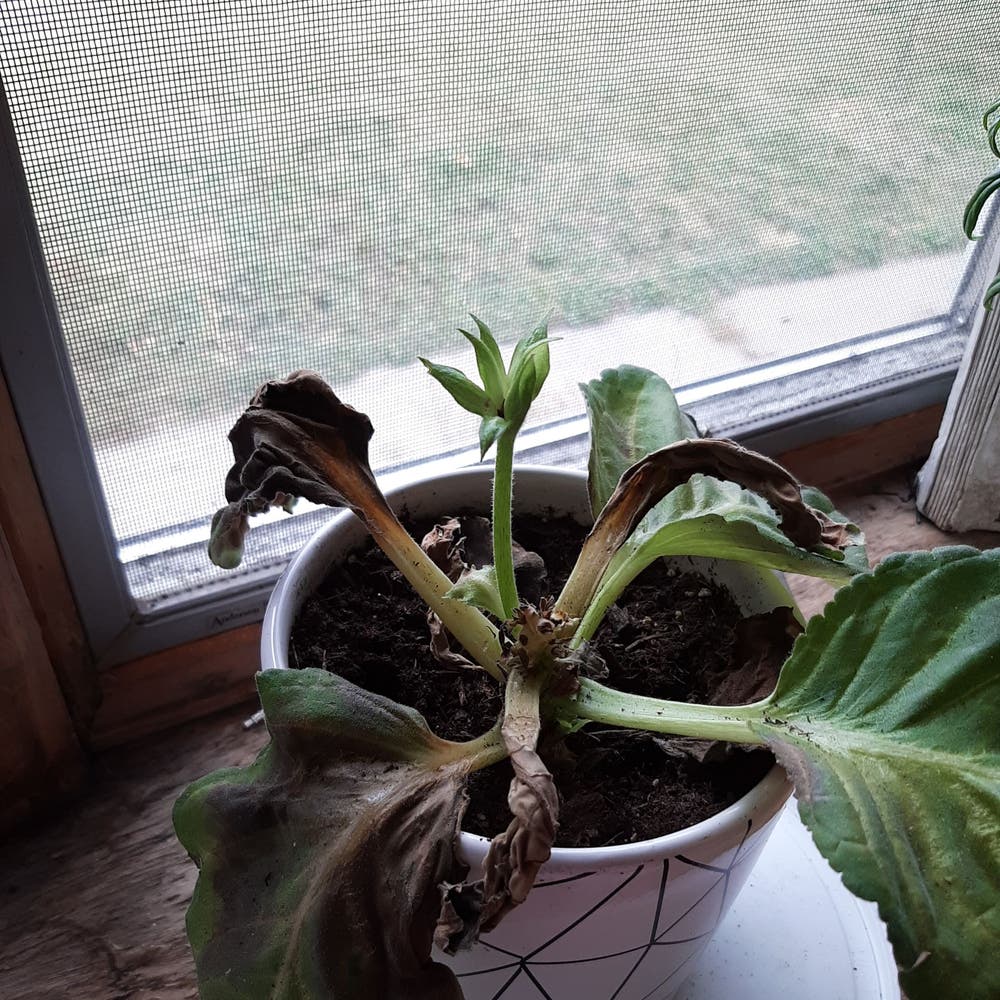
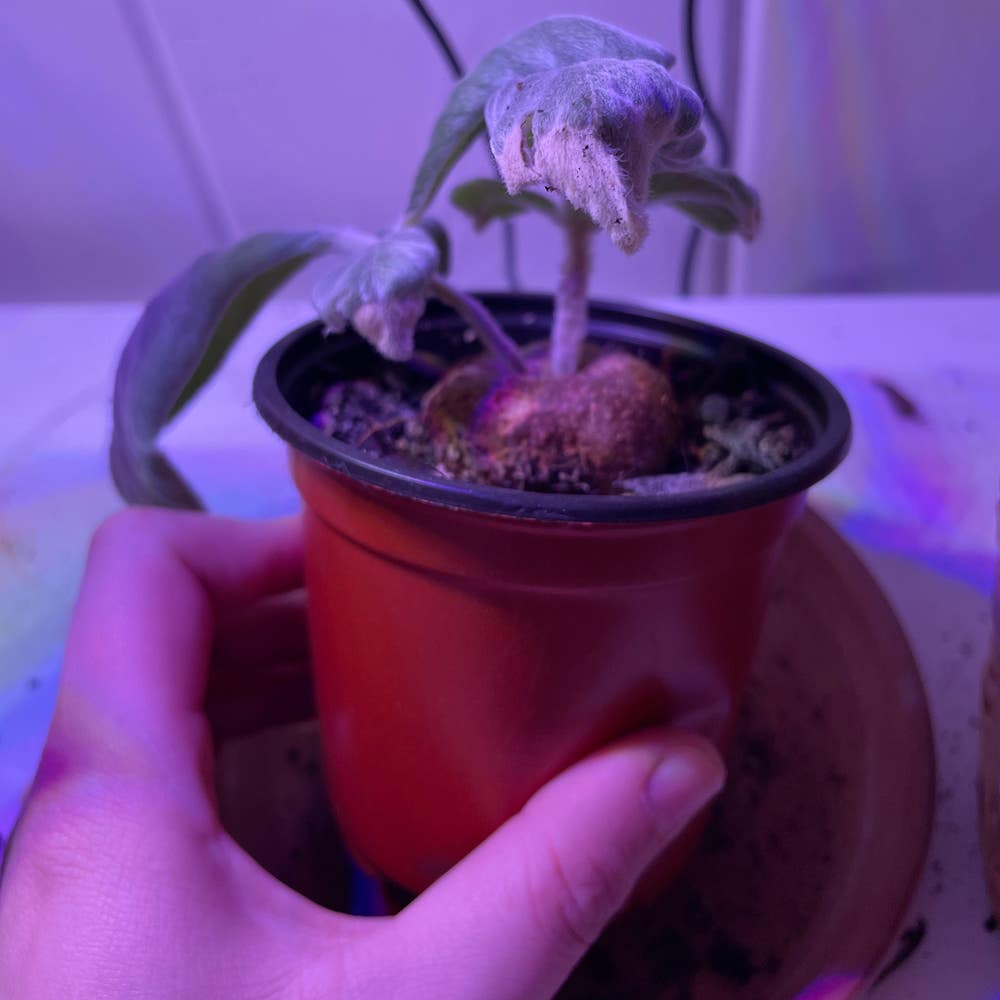
Shriveled leaves or crispy tips? Your plant's begging for more moisture. On the flip side, wilting with damp soil screams 'ease up on the water!' and check for proper airflow.
Measuring Up the Moisture
📊 Getting Techy with It
A hygrometer isn't just a gadget, it's your plant's best pal. Keep it close to your Brazilian Edelweiss but away from the deceit of direct sunlight and drafts. This will ensure you get the real scoop on your air's moisture content.
📈 Interpreting the Numbers
When your hygrometer reads below the ideal range, it's time to up the ante on humidity. Above the range? You'll need to dial it back. Keep an eye on those numbers; they're the breadcrumbs leading to your plant's happiness.
Making It Rain (Indoors) for Brazilian Edelweiss
💦 Humidity Boosting Hacks
Creating your own mini rainforest is simpler than it sounds. Group your Brazilian Edelweiss with other plants; they'll transpire together, raising the humidity like a communal sauna.
Pebble trays are the unsung heroes of humidity. Just place water and pebbles in a tray under your plant, and let evaporation do its thing. It's like a subtle, constant whisper of moisture for your plant's roots.
🌫 The mist-ery of misting
Misting can be a quick fix, a fleeting humidity kiss for your Brazilian Edelweiss. But don't get trigger-happy; over-misting can turn your plant's leaves into a fungal rave. Use distilled water to avoid unwanted mineral deposits.
When It's Too Muggy
Ventilation is key when the air feels like a wet blanket. Ensure your plants aren't too cramped, allowing air to circulate and prevent the dreaded mold invasion.
Dehumidifiers and strategic plant spacing can help when the humidity levels feel more Amazonian than you'd like. A dehumidifier works quietly in the background, while giving your plants some personal space can reduce the risk of excess moisture.
The Temperature-Humidity Tango
🌡️ Understanding the Dance
Temperature and humidity are inseparable in the plant world. High temperatures often lead to increased indoor humidity, which can be a mixed blessing for your Brazilian Edelweiss.
🍂 Seasonal Considerations
With the seasons' shift, so does your home's humidity. Keep an eye on your Brazilian Edelweiss as these changes can sneak up on you, potentially disrupting its delicate balance.
🌡️ Temperature's Impact on Humidity
Remember, warm air can hold more moisture, making it crucial to adjust your humidity control methods as temperatures fluctuate.
⚖️ The Balance Act
Striking the right balance is key. Too much humidity invites fungal issues, while too little causes the plant to dry out. Aim for a stable environment that mimics the Brazilian Edelweiss's natural habitat.
🛠️ Practical Adjustments
If your indoor air is too dry, a humidifier can be your best friend. Conversely, if you're living in a swamp-like atmosphere, it's time to bring out the dehumidifier.
🌍 Real-World Implications
Keep a hygrometer close to monitor these levels accurately. Guesswork has no place in the precise world of plant care. Your Brazilian Edelweiss will thank you for it.
⚠️ Safety First
This content is for general information and may contain errors, omissions, or outdated details. It is not medical, veterinary advice, or an endorsement of therapeutic claims.
Always consult a qualified healthcare professional before using any plant as food, medicine, or supplement.
Never eat any plant (or feed one to pets) without confirming its identity with at least two trusted sources.
If you suspect poisoning, call Poison Control (800) 222-1222, the Pet Poison Helpline (800) 213-6680, or your local emergency service immediately.
Spotted an error? Please report it here.
Keep your Brazilian Edelweiss thriving 🌿 with Greg's precise humidity tracking and tailored care reminders, ensuring the perfect moisture balance year-round.