Common Brazilian Edelweiss Problems
Sinningia leucotricha
By the Greg Editorial Team
Feb 14, 2024•3 min read
This article was created with the help of AI so we can cover more plants for you. May contain errors. See one? Report it here.
Safeguard your Brazilian Edelweiss 🌼 from common pitfalls and enjoy a flourishing, exotic display with these essential care tips.
- 🚿 Over/under-watering? Yellow leaves and brown tips signal trouble.
- ☀️🌡️ Bright, indirect light and 60-85°F keep Brazilian Edelweiss happy.
- 🌱 Combat pests and root rot with vigilance and proper care.
When Water Works Against You: Watering Woes
💧 Spotting the Signs
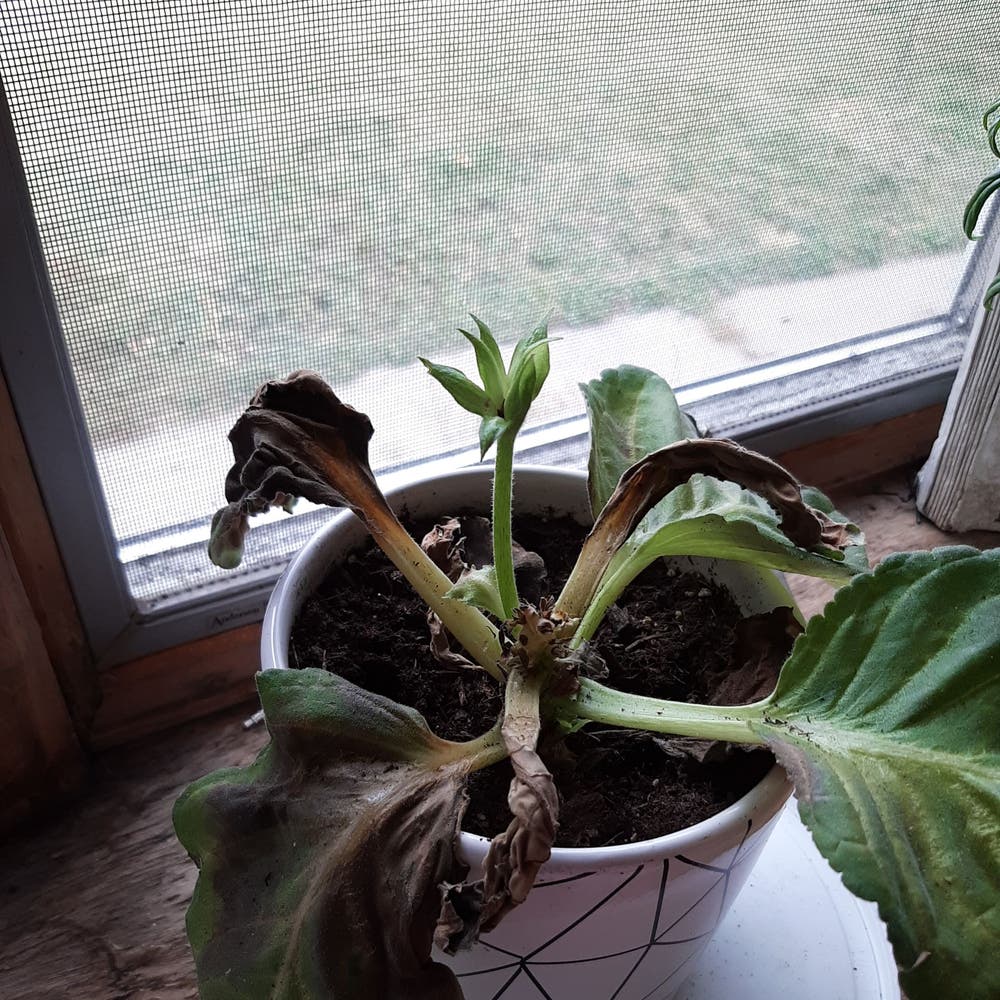
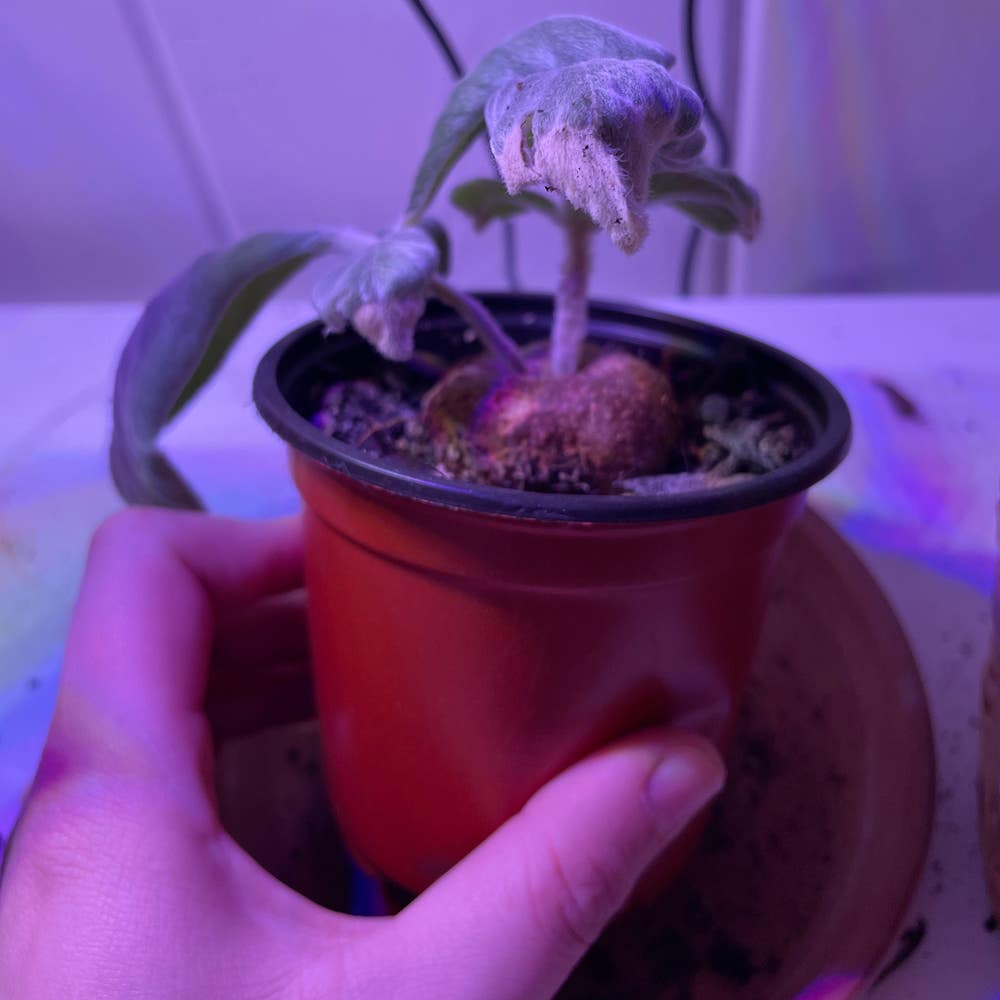
Over-watering can turn your Brazilian Edelweiss into a swamp resident, with leaves yellowing like old paper and a soil scent that's more mildew than fresh earth. Under-watering leaves it gasping for a drink, with brown-tipped leaves and a thirst only rivaled by a marathon runner.
Finding the Balance
Get your hands dirty and feel the soil—an inch down should be your moisture meter. If it clings to your fingers like a needy pet, hold off on the H2O. Watering should be less like a Vegas buffet and more like a gourmet meal—quality over quantity.
🚰 Drainage & Recovery
If you've accidentally thrown a pool party for your plant's roots, it's time to rethink your potting game. Ensure your pot has drainage holes that aren't just for show. In the aftermath of a water mishap, let the soil dry like a sunbather before giving it another splash.
Light and Temperature: The Delicate Dance
🌞 Too Much Sun, Too Little Light
Brazilian Edelweiss thrives in bright, indirect light. Direct sunlight can be a brutal overlord, causing leaf scorch that manifests as brown tips or faded variegation. Conversely, inadequate light turns these plants into lackluster shadows of their potential, with leaves stretching out in a silent plea for more lumens.
🌡️ Keeping the Cool
Temperature is the unsung hero in the plant world. Stability is key; Brazilian Edelweiss prefers a consistent range, ideally between 60-85°F (15-29°C). Sudden temperature swings are like unexpected plot twists—unwelcome and potentially disastrous. Keep your plant away from drafty windows and air vents to avoid the drama of temperature-induced leaf droop or fall-off.
The Unseen Invaders: Pests and Diseases
🐜 Pests on Patrol
Vigilance is key in detecting pests before they overrun your Brazilian Edelweiss. Spider mites leave behind fine webs and cause a speckled look on leaves. Aphids are notorious for their sticky residue, while mealybugs appear as fluffy white clusters. To combat these pests, introduce beneficial insects like ladybugs, or apply insecticidal soap or neem oil. Regular inspections are crucial—think of them as routine security checks for your plant's well-being.
🍄 Fungus Among Us
Fungal issues often present as unsightly spots on leaves, typically resulting from excessive moisture and inadequate airflow. To tackle mold and fungus, increase circulation and consider a fungicide. Remember, these invaders thrive in stagnant conditions, so keep the air moving and the environment clean. Sterilize your tools and pots to prevent the spread of disease, and isolate affected plants to curb cross-contamination.
Root of the Matter: Preventing Root Rot
🚨 Early Warning Signals
Detecting the initial signs of root rot is crucial. Look for yellowing leaves, stunted growth, and a swampy smell from the soil. If the roots are mushy instead of firm, it's time for action. Don't be fooled by dry topsoil; the danger hides beneath.
🔄 Turnaround Tactics
To rescue a plant from root rot, halt watering immediately. Remove the plant and inspect the roots, trimming away any that are affected. Repot in fresh, well-draining soil and ensure your pot has adequate drainage holes. Water sparingly, only when the soil is dry. Prevention is key, so keep a close eye on watering habits and adjust as necessary.
⚠️ Safety First
This content is for general information and may contain errors, omissions, or outdated details. It is not medical, veterinary advice, or an endorsement of therapeutic claims.
Always consult a qualified healthcare professional before using any plant as food, medicine, or supplement.
Never eat any plant (or feed one to pets) without confirming its identity with at least two trusted sources.
If you suspect poisoning, call Poison Control (800) 222-1222, the Pet Poison Helpline (800) 213-6680, or your local emergency service immediately.
Spotted an error? Please report it here.
Avoid the Brazilian Edelweiss blues by letting Greg 🌱 fine-tune your watering schedule, ensuring your plant's health and happiness without the guesswork.