What Do I Do About Brazilian Edelweiss Root Rot?
Sinningia leucotricha
By the Greg Editorial Team
Feb 14, 2024•4 min read
This article was created with the help of AI so we can cover more plants for you. May contain errors. See one? Report it here.
Rescue your Brazilian Edelweiss 🌼 from root rot's grip with our life-saving care tips!
- Yellow leaves, wilting, and soil odor signal Brazilian Edelweiss root rot.
- Prune damaged roots; adjust soil and watering to treat and prevent rot.
- Use correct fungicides and environmental care to keep root rot at bay.
Spotting the Red Flags: Symptoms of Root Rot in Brazilian Edelweiss
🚨 Visual Clues
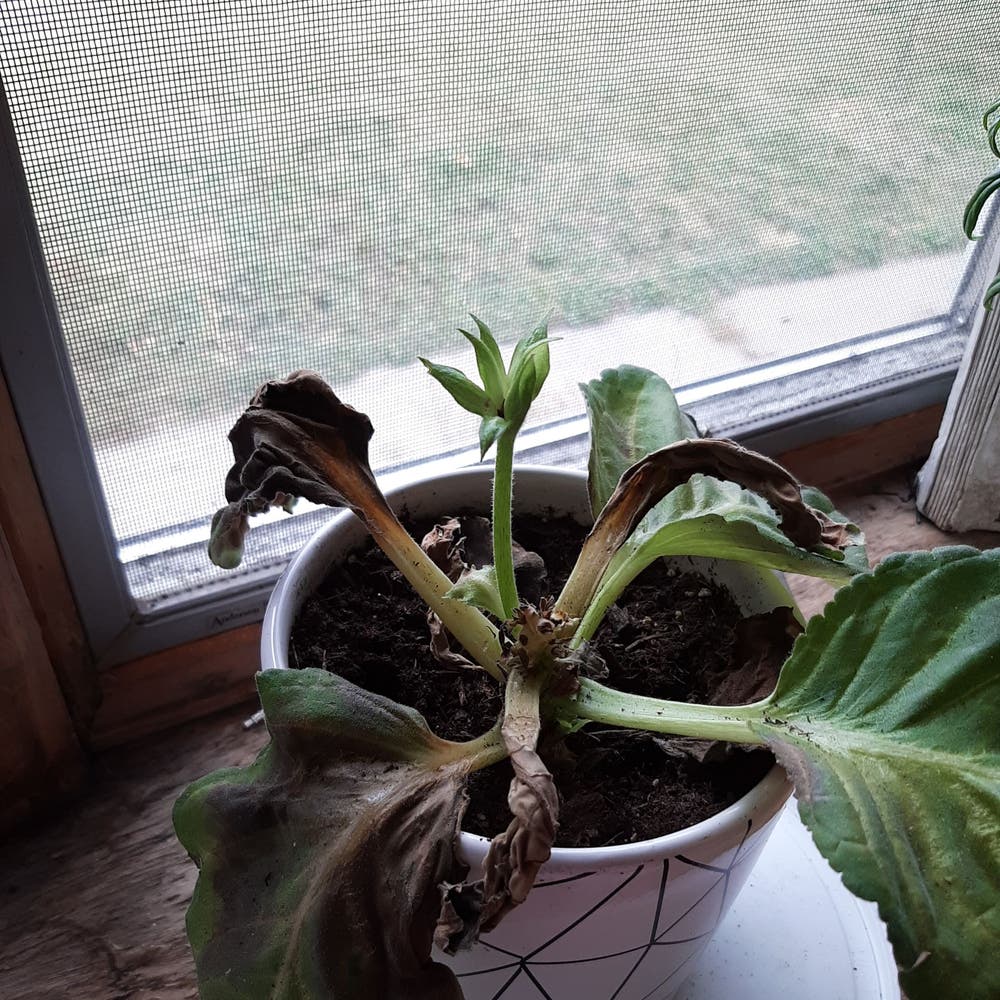
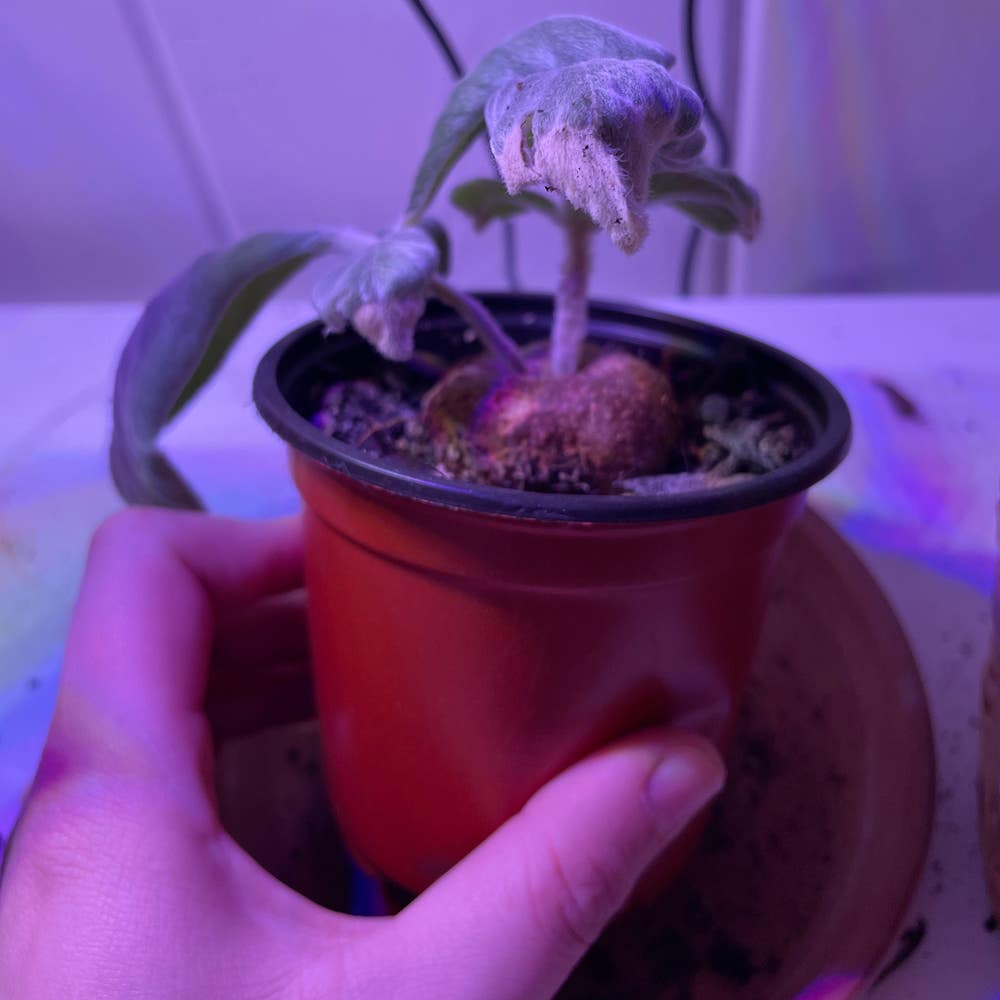
Yellowing leaves and wilting in Brazilian Edelweiss aren't just a bad leaf day; they're distress signals. If your plant's once lush foliage now hangs like a deflated balloon, it's time to take notice.
The soil's scent can also be telling. A foul odor emanating from the pot is like a silent alarm for root rot. Don't ignore it; your plant's health could be at stake.
🕵️♂️ Root Inspection
When inspecting roots, look for discoloration. Healthy roots should be a vibrant white, not a sickly brown or black.
Mushy texture is a dead giveaway of root rot. If the roots feel like they've lost their backbone, it's time for action. Roots should be firm, not resemble overcooked pasta.
Taking Action: Immediate Steps to Treat Root Rot
🌱 Pruning Damaged Roots
Snip off any mushy or brown roots; they're as good as gone. Healthy roots should remain untouched. Sterilize your tools post-op—think of it as hygiene for your plant's surgery.
💧 Soil and Water Adjustments
Overwatering is a no-no. Let the soil dry out like a desert between drinks. Consider a moisture meter to keep tabs on your plant's H2O needs. It's like a hydration nanny for your green buddy.
Fungal Foes: Using Fungicides to Save Your Brazilian Edelweiss
🛡️ Choosing the Right Fungicide
When your Brazilian Edelweiss is under fungal assault, choosing the right fungicide is like picking the best armor for battle. Start with the gentler organic options; they're like bouncers that won't throw out the good guys with the bad. Baking soda mixtures and copper-based soaps are your first line of defense, keeping those pesky fungal spores from crashing the party. But if the infection's stubborn, don't shy away from the heavy hitters—systemic fungicides like tebuconazole can get absorbed into the plant's system, working from the inside out.
Remember, though, these are potent potions. Always read the label—it's not just fine print, it's the rulebook. And rotate your fungicides; fungi are sneaky and can build resistance, turning your silver bullet into a blank.
🎨 Application Best Practices
Now, let's talk application—it's not a Jackson Pollock painting, it's more like a meticulous art restoration. Cover all the bases: tops, bottoms, nooks, and crannies of the leaves. Think of it as giving your plant a thorough check-up, ensuring every part is treated. Use a spray bottle for even coverage and go for complete saturation without drowning the poor thing.
Safety first—protect yourself with gloves and goggles. You're not just watering flowers; you're dealing with chemicals. And be mindful of our bee friends and other beneficial insects; they're not the enemy, so spray when they're less active, typically early morning or late evening.
Lastly, don't let leftover potions linger. Store or dispose of them as if they're a secret formula that could fall into the wrong hands. Because, in a way, they are.
Keeping Root Rot at Bay: Prevention Strategies
💧 Watering Wisdom
Watering your Brazilian Edelweiss correctly is the cornerstone of root rot prevention. Check the top inch of soil; if it's dry, it's time to water. Overwatering is a surefire way to invite root rot, so keep your watering can in check.
🏡 The Perfect Home: Soil and Pot Selection
Selecting the right soil mix is like choosing the best mattress for a good night's sleep—it should be comfortable but not retain excess moisture. A mix with perlite or sand will ensure breathability. When it comes to pots, drainage holes are non-negotiable. Terracotta pots are preferable as they allow soil to dry out more quickly than plastic.
🌬️ Environmental Harmony
Creating the right environment is essential. Ensure your plant enjoys good airflow, comfortable temperatures, and the correct humidity levels. Rotate your pots to promote even growth and prevent disease. Remember, cleanliness matters—debris and standing water are open invitations for root rot.
⚠️ Safety First
This content is for general information and may contain errors, omissions, or outdated details. It is not medical, veterinary advice, or an endorsement of therapeutic claims.
Always consult a qualified healthcare professional before using any plant as food, medicine, or supplement.
Never eat any plant (or feed one to pets) without confirming its identity with at least two trusted sources.
If you suspect poisoning, call Poison Control (800) 222-1222, the Pet Poison Helpline (800) 213-6680, or your local emergency service immediately.
Spotted an error? Please report it here.
Keep your Brazilian Edelweiss thriving 🌱 with Greg's personalized moisture monitoring and custom watering reminders, ensuring root rot is just a thing of the past.