Why Are My Brazilian Edelweiss Leaves Curling?
Sinningia leucotricha
By the Greg Editorial Team
Feb 14, 2024•5 min read
This article was created with the help of AI so we can cover more plants for you. May contain errors. See one? Report it here.
Solve the mystery behind your Brazilian Edelweiss's curling leaves and restore its lush allure! 🌿✨
- 🌿 Leaf curling indicates stress from environment, watering, or pests.
- ☀️💧 Bright light and proper watering prevent curling; use drainage pots.
- 🐛 Inspect for pests/diseases and use eco-friendly controls; fertilize regularly.
Spotting the Signs: When Your Brazilian Edelweiss is Unhappy
🍃 Identifying Leaf Curling
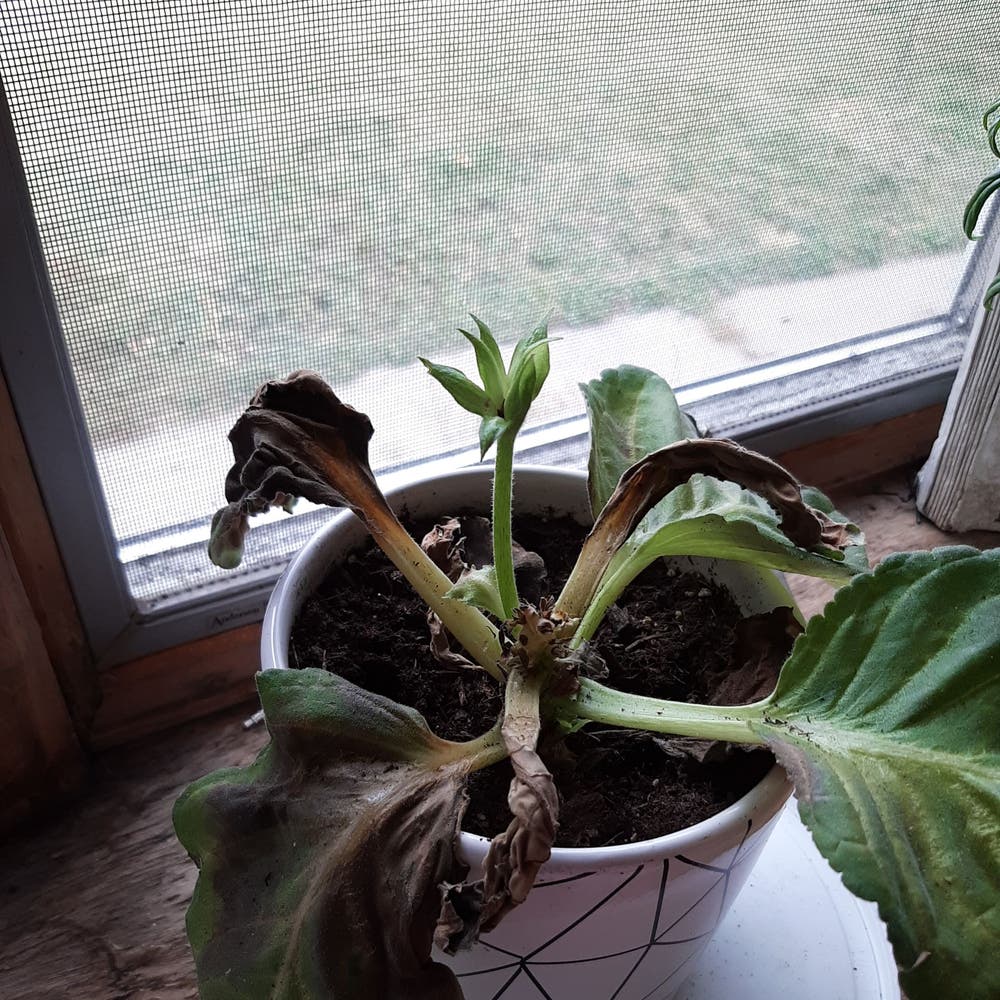
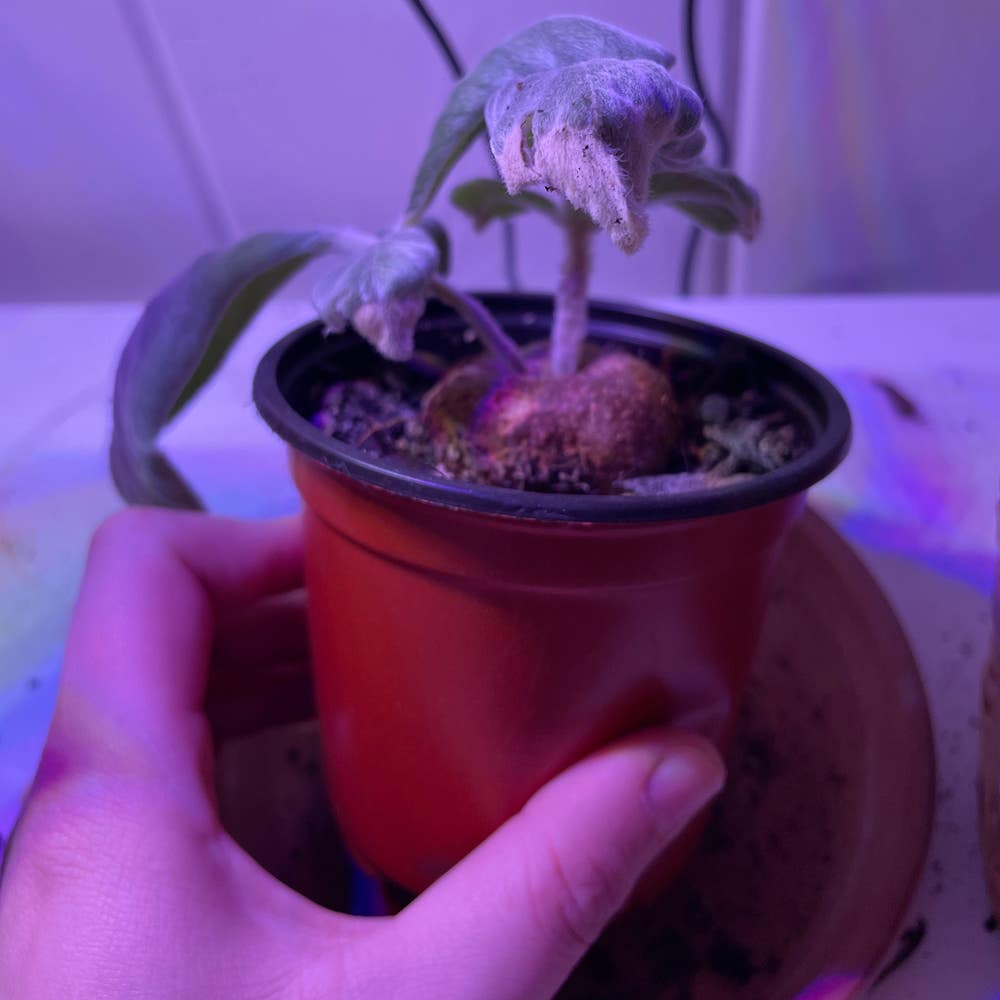
Leaf curling in Brazilian Edelweiss manifests as twisted or constricted foliage, straying from its typical lush and open form. Early detection is crucial; regularly inspect your plant for the initial signs of curling to tackle the issue promptly.
🕵️ Quick Tips for Early Detection
- Check regularly: Make it a habit to observe your plant's leaves during routine care.
- Be thorough: Examine both the tops and undersides of leaves for subtle changes.
- Note patterns: Are the curls localized or widespread? This can help pinpoint the cause.
🌀 Common Causes of Leaf Curling
Leaf curling in Brazilian Edelweiss can stem from a variety of factors, including environmental stress, improper watering, and pest infestations. Understanding these can guide you towards the right corrective action.
🌡️ Environmental Stress
- Temperature swings and incorrect humidity levels can wreak havoc, causing leaves to curl as a protective response.
- Lighting issues, both excessive and insufficient, can also lead to curling.
💧 Watering Woes
- Overwatering or underwatering your Brazilian Edelweiss can lead to curled leaves as the plant struggles to maintain its hydration balance.
- Ensure the soil is moist but not waterlogged, and adjust your watering schedule according to the plant's needs and seasonal changes.
🦠 Pests and Diseases
- Keep an eye out for sap-sucking insects like aphids or spider mites, which can cause leaves to curl and discolor.
- Fungal infections may also lead to leaf curling, often accompanied by other symptoms like spots or powdery residue.
By staying observant and responsive to your Brazilian Edelweiss's needs, you can often prevent or correct leaf curling before it becomes a severe problem.
Balancing the Elements: Environmental Factors and Leaf Curling
🌡️ Temperature and Humidity
Brazilian Edelweiss plants are sensitive to their environment, especially when it comes to temperature and humidity. Maintaining a consistent temperature between 65-75°F is crucial, as these plants can react dramatically to fluctuations.
🌡️ Temperature: The Comfort Zone
Avoid placing your plant in areas prone to drafts or near heat sources, which can cause sudden temperature changes. Consistency is key, much like the importance of a stable routine for a child's growth and happiness.
💧 Humidity: The Moisture Sweet Spot
Humidity levels should be kept at a comfortable 40%-60% range. If the air is too dry, leaves may curl in an attempt to conserve moisture. Use a humidifier or a pebble tray to increase humidity if necessary.
💡 Light Exposure
Proper light exposure is crucial for preventing leaf curling in Brazilian Edelweiss. The goal is to provide bright, indirect sunlight, as direct sun can be too harsh and cause leaves to curl as a protective measure.
🔄 Finding the Light Balance
Rotate your plant regularly to ensure even light distribution. If your plant is in a spot that gets direct sunlight, consider drawing a sheer curtain to diffuse the light. This can prevent the leaves from curling towards the light source or burning from overexposure.
Water Wisdom: Hydration without Harm
💧 Watering Routines
Setting up a watering schedule that keeps leaves perky, not curly is more art than science. It's about observing your Brazilian Edelweiss and responding to its needs. Water deeply when the soil feels dry an inch below the surface, but don't let your life be ruled by the calendar. Your plant's thirst will vary with the seasons—more in the heat, less in the cool. Remember, consistency is key, but so is flexibility.
💦 Soil and Drainage
Your Brazilian Edelweiss's soil should feel like a wrung-out sponge—moist, but not waterlogged. Choose a pot with drainage holes to prevent your beloved plant from sitting in excess water, which can lead to root rot. If you're unsure about your watering touch, use a moisture meter as a fail-safe. After watering, check to see that water flows freely from the bottom of the pot, ensuring that you've quenched your plant's thirst without drowning it.
Feeding Your Brazilian Edelweiss: Nutrient Needs and Deficiencies
💡 Recognizing Deficiency Symptoms
Leaf curling in Brazilian Edelweiss can be a red flag for nutrient deficiencies. Look for yellowing leaves as a plea for nitrogen, or crispy edges hinting at a lack of potassium. Stunted growth and small, discolored new foliage may also indicate that your plant isn't getting the nutrients it craves.
🍽️ Fertilization Strategies
Choosing the right fertilizer is crucial. Opt for a balanced, water-soluble type to give your plant a gentle boost. Stick to a regular feeding schedule—overfeeding can be just as harmful as neglect. If you suspect an overdose, flush the soil to reset the nutrient balance. Remember, your Brazilian Edelweiss doesn't just want a drink, it wants a nutrient cocktail tailored to its needs.
Keeping Pests and Diseases at Bay
🕵️♂️ Early Detection and Identification
Pests and diseases are stealthy invaders of the Brazilian Edelweiss, often causing leaf curling as a distress signal. Regular inspections are crucial. Flip those leaves and scrutinize the undersides; look for webbing, sticky residue, or the critters themselves. Early detection is like catching a typo—it saves your plant from a world of hurt.
🛡️ Treatment and Prevention
Isolation is the first step when you spot trouble. Move the infected plant away from its healthy neighbors to prevent a pest party spread. Neem oil and insecticidal soap are your go-to eco-friendly bouncers, showing pests the door without drama. For fungal foes, remove affected foliage with sterilized shears and apply a fungicide, but stick to the label like a detective to a lead.
🐜 Integrated Pest Management (IPM)
Adopt IPM strategies to keep pests guessing. Combine cultural, mechanical, biological, and chemical methods to create a balanced ecosystem. It's about being a plant detective, not just a reactionary gardener.
🐞 Encouraging Beneficial Insects
Remember, prevention is better than cure. Encourage beneficial insects that act as natural pest control. Keep your Brazilian Edelweiss clean and strong; a healthy plant is less likely to succumb to the dark side of the pest world.
⚠️ Safety First
This content is for general information and may contain errors, omissions, or outdated details. It is not medical, veterinary advice, or an endorsement of therapeutic claims.
Always consult a qualified healthcare professional before using any plant as food, medicine, or supplement.
Never eat any plant (or feed one to pets) without confirming its identity with at least two trusted sources.
If you suspect poisoning, call Poison Control (800) 222-1222, the Pet Poison Helpline (800) 213-6680, or your local emergency service immediately.
Spotted an error? Please report it here.
Keep your Brazilian Edelweiss's leaves perfectly unfurled 🌿 with Greg's personalized care plans, ensuring the right moisture, light, and pest management for your plant's needs.