Why Is My Brazilian Edelweiss Dropping Leaves?
Sinningia leucotricha
By the Greg Editorial Team
Feb 14, 2024•5 min read
This article was created with the help of AI so we can cover more plants for you. May contain errors. See one? Report it here.
Prevent leaf loss and keep your Brazilian Edelweiss thriving with these essential care tips! 🍃🔍
- Over/underwatering causes leaf drop: Adjust watering to plant's needs.
- 🌡️🌞 Maintain light and temperature: Prevent stress-related leaf loss.
- 🐛 Inspect for pests regularly: Use natural remedies for control.
Spotting the Signs: When Your Brazilian Edelweiss Is Unhappy
🍂 Identifying Early Signs of Leaf Drop
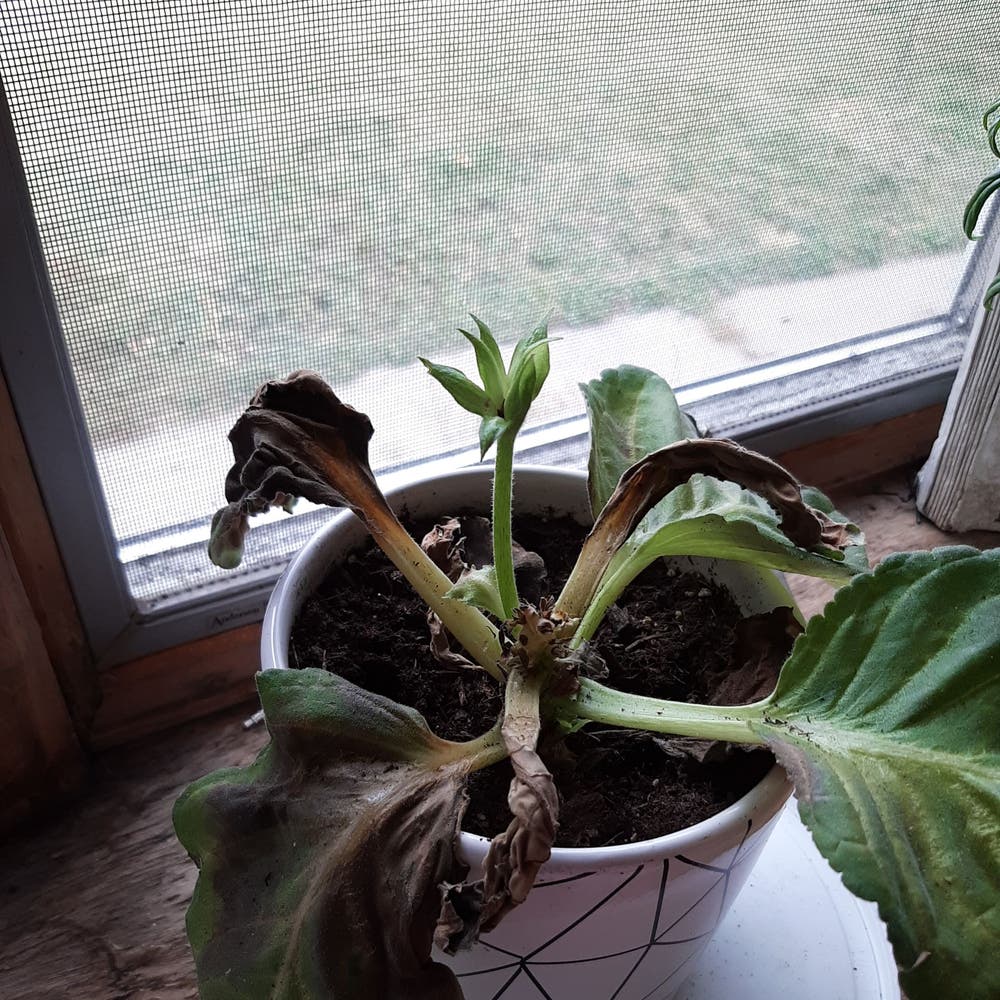
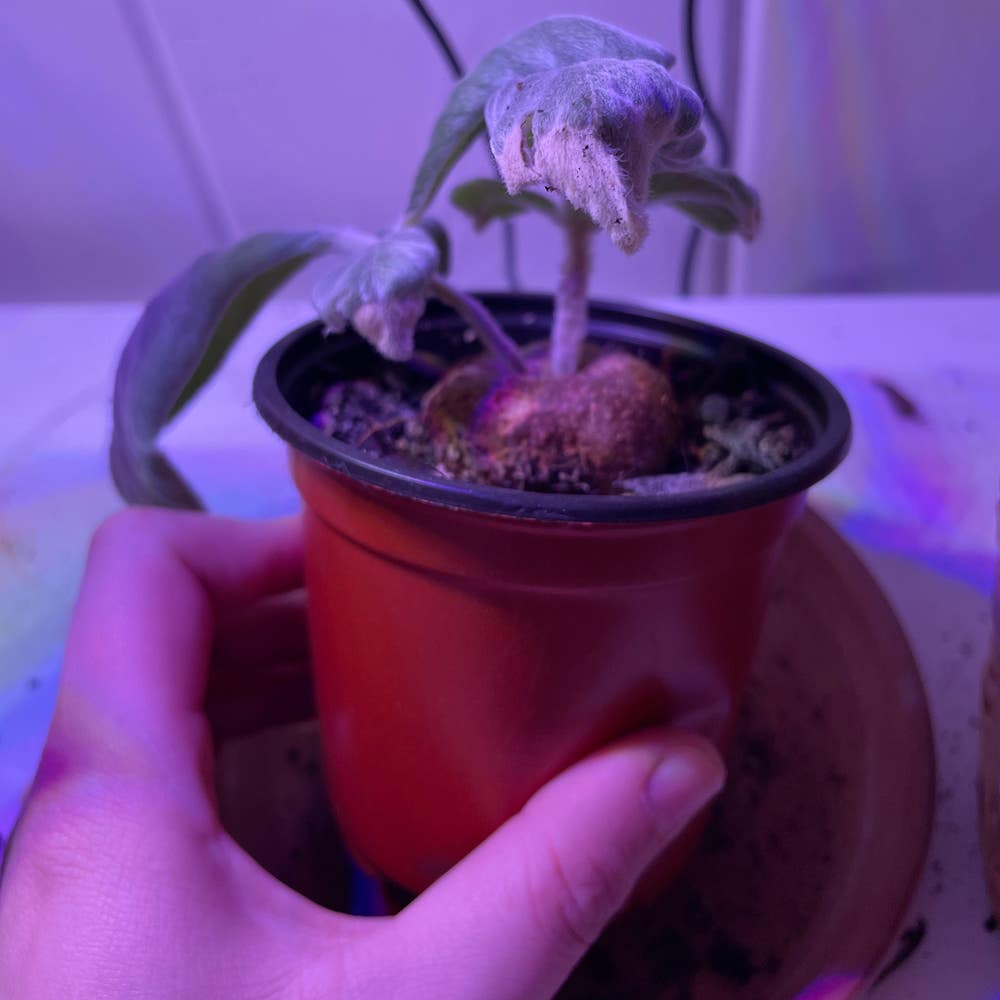
Leaf drop in Brazilian Edelweiss can be subtle at first. Vigilance is key. Watch for leaves that seem less perky, perhaps a tad wrinkled or discolored. If they're falling off with a gentle nudge, it's not just clumsiness—it's a cry for help.
🔄 Normal Leaf Cycle vs. Problematic Leaf Drop
Understand that Brazilian Edelweiss will shed leaves naturally, but it's the timing that's telling. If it's not the usual dormancy period post-blooming, and leaves are dropping like flies, you've got a problem. Keep an eye out for leaves that bid farewell without the emergence of new growth.
💧 Overwatering: A Slippery Slope
Yellow, swollen leaves that fall off at a touch? Classic overwatering. The soil should be your informant here—too damp, and you're drowning your plant's hopes for survival.
🏜️ Underwatering: The Silent Killer
On the flip side, leaves that resemble crispy autumn foliage signal underwatering. A parched Brazilian Edelweiss is a sad sight, with soil as dry as a desert and leaves that crumble like ancient parchment.
🐜 The Pests: Unseen Foes
Sap-sucking insects are the ninjas of the pest world, leaving tiny yellow or white spots as evidence of their stealth attacks. If your plant's leaves are more spot than leaf, it's time to play pest detective.
🎯 The Takeaway
In short, if your Brazilian Edelweiss is dropping leaves faster than you can say "botanical boo-boo," it's time to take action. Adjust watering habits, check for pests, and ensure the plant's environment is on point. Remember, the difference between a thriving and a diving Brazilian Edelweiss often lies in the subtleties.
Water Woes: Striking the Right Balance
💧 Overwatering Hazards
Overwatering is a silent killer for the Brazilian Edelweiss. It's a classic case of too much love leading to root rot, where the roots can't absorb nutrients due to moisture-loving fungi and bacteria. Leaves may become yellow, swollen, and even burst, a clear sign of distress. If the soil feels more like a swamp than dry land, you've gone overboard with the watering can.
Steps to Rescue an Overwatered Plant
To save your waterlogged Brazilian Edelweiss, act fast. Remove the plant from its pot and inspect the roots and soil. If the roots are brown and mushy, it's time for surgery—trim the rotten parts. Let the roots air out before repotting in fresh, dry soil. Going forward, water only when the top inch of soil is dry to the touch.
The Thirsty Plant
Underwatering makes your Brazilian Edelweiss look like it's been through a drought. Leaves may appear lackluster, wrinkled, or crispy. The soil will be bone-dry, a sure sign your plant is thirstier than a camel in the desert.
How to Properly Hydrate Brazilian Edelweiss
When your plant's in dire need of a drink, submerge the pot in water for 5-10 minutes. This spa treatment ensures thorough rehydration. Once the soil's surface feels moist, it's a wrap. Remember, Brazilian Edelweiss prefers a sip, not a gulp—water sparingly and only when the soil is dry.
Light and Temperature: Creating the Ideal Microclimate
💡 Light Levels Matter
Bright, indirect light is the sweet spot for Brazilian Edelweiss. Direct sunlight can be a leaf scorcher, while too little light leaves your plant languishing. Adjust your plant's position to mimic the dappled light of its natural habitat.
🌡️ Keeping the Temperature Just Right
Temperature fluctuations are a no-go for leaf health. Aim for a consistent temperature between 15-23ºC (59-73ºF). Grouping plants can create a shared microclimate, helping maintain stable conditions. Remember, your plant isn't seeking a thrill ride of temperature swings.
The Unseen Invaders: Tackling Pest Problems
🐛 Identifying Common Pests
Pests are leaf drop culprits in Brazilian Edelweiss. Aphids and mealybugs leave sticky residues; spider mites weave tiny webs. Flip leaves, inspect nooks, and evict these freeloaders promptly.
🛡️ Integrated Pest Management
Prevention beats cure. Keep your plant's leaves clean and inspect them regularly. Introduce natural predators like ladybugs to keep pest populations in check. If all else fails, insecticidal soap or neem oil can be your plant's knights in shining armor.
Reviving Your Brazilian Edelweiss: Recovery and Prevention
🌱 Tailored Care Tips
Adjust Your Watering Habits. If the soil feels like a desert or a swamp, recalibrate your watering schedule. Prune with Purpose. Dead foliage is out, new growth is in. Give your plant a trim to encourage rejuvenation. Sunlight and Shade. Too much sun can be just as bad as too little. Aim for that sweet spot with 60-70% shading for your Brazilian Edelweiss.
🚑 When to Seek Professional Help
Persistent Problems? If new leaves are as rare as a polite internet debate, it's time to consult a pro. Beyond Brown Spots. When fungal funk turns into a full-blown leaf drop disco, expert intervention might be your best bet. The Last Resort. If your plant looks more like a twig sculpture than a lush Brazilian beauty, it might be time to wave the white flag and get help.
⚠️ Safety First
This content is for general information and may contain errors, omissions, or outdated details. It is not medical, veterinary advice, or an endorsement of therapeutic claims.
Always consult a qualified healthcare professional before using any plant as food, medicine, or supplement.
Never eat any plant (or feed one to pets) without confirming its identity with at least two trusted sources.
If you suspect poisoning, call Poison Control (800) 222-1222, the Pet Poison Helpline (800) 213-6680, or your local emergency service immediately.
Spotted an error? Please report it here.
Revive your Brazilian Edelweiss by tackling leaf drop 🍃 with Greg's custom care plans and proactive pest control advice!