🌼 5 Factors for Optimal Brazilian Edelweiss Growth
Sinningia leucotricha
By the Greg Editorial Team
Sep 30, 2024•5 min read
This article was created with the help of AI so we can cover more plants for you. May contain errors. See one? Report it here.
Cultivate stunning Brazilian Edelweiss 🌼 effortlessly with expert tips on planting and care for your garden!
- 🌞 Optimal sunlight is 6-8 hours daily for healthy Brazilian Edelweiss growth.
- 🌡️ Maintain temperatures between 15°C to 25°C for thriving plants.
- 🌱 Well-draining soil with pH 6.0-7.0 is essential for success.
Site Selection and Soil Preparation
Choosing the Right Location 🌞
Selecting the perfect spot for your Brazilian Edelweiss is crucial. Aim for a location that receives full sun to partial shade, ideally 6 to 8 hours of sunlight daily.
Temperature also plays a vital role in growth. The ideal range for these plants is between 15°C to 25°C (59°F to 77°F), ensuring they thrive in a comfortable environment.
Soil Type and pH Requirements 🌱
Next, consider the soil type. Brazilian Edelweiss prefers well-draining sandy or loamy soil, which allows for optimal root development.
Soil pH is another important factor. Aim for a slightly acidic to neutral pH, ideally between 6.0 and 7.0, to support healthy growth.
Soil Preparation Techniques 🛠️
Preparing your soil properly can make all the difference. Start by incorporating organic matter, such as compost, to enhance soil fertility and structure.
Don't forget about drainage! Ensure your planting area has proper drainage to prevent root rot. If necessary, consider using raised beds to improve drainage and soil quality.
With the right location and soil preparation, your Brazilian Edelweiss will be set for success. Next, let’s explore effective planting techniques to help your plants flourish.
Planting Techniques
Best Planting Methods 🌱
When planting Brazilian Edelweiss, spacing is crucial. Aim for 12-18 inches apart to ensure good air circulation, which helps prevent diseases.
Depth is equally important. Plant them at the same depth they were in the nursery container to promote healthy root development.
Container vs. Outdoor Planting Considerations 🪴
Container gardening offers flexibility. Use pots with drainage holes, making them perfect for patios and balconies.
For outdoor planting, ensure your chosen spot has adequate space and sunlight exposure. This will help your plants thrive in their natural habitat.
Timing for Planting ⏰
Timing can make or break your planting success. The best time to plant Brazilian Edelweiss is in spring, after the last frost has passed.
This seasonal consideration allows your plants to establish roots and flourish as temperatures warm up.
With these planting techniques in mind, you're well on your way to cultivating a vibrant garden. Next, let’s explore how to effectively water and fertilize your Brazilian Edelweiss for optimal growth.
Watering and Fertilizing
Watering Schedule and Techniques 🌊
Watering is crucial for Brazilian Edelweiss health. Aim to water deeply once a week, adjusting based on rainfall to keep the soil consistently moist but not soggy.
Using a soaker hose or drip irrigation is ideal. These methods minimize leaf wetness, reducing the risk of fungal diseases.
Fertilizing Tips 🌱
Choosing the right fertilizer can make a significant difference. Opt for a balanced, slow-release fertilizer with an NPK ratio of 10-10-10.
Fertilize every 4-6 weeks during the growing season to ensure your plants receive essential nutrients. This routine helps promote robust growth and vibrant blooms.
Signs of Overwatering or Underwatering 🚰
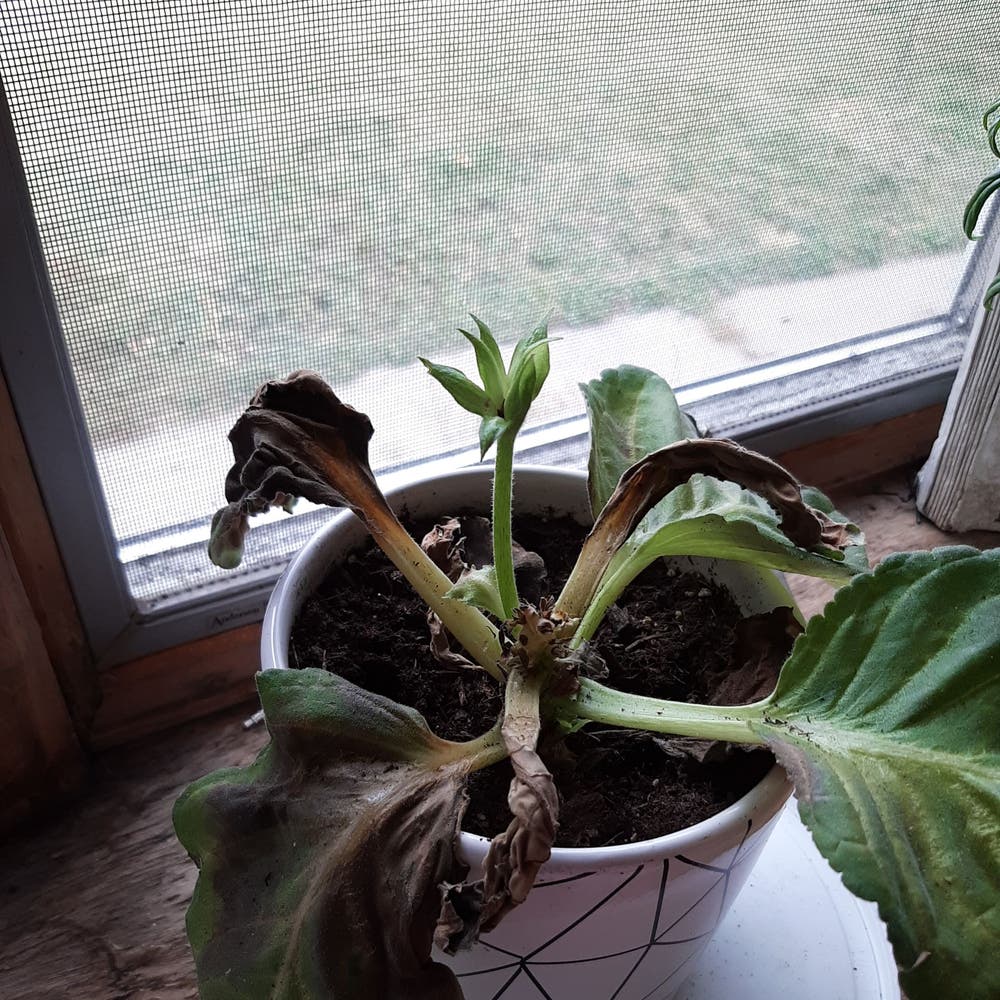
Recognizing the signs of watering issues is key to maintaining plant health. Overwatering often manifests as yellowing leaves and mushy roots, indicating root stress.
On the other hand, underwatering leads to wilting and dry leaf edges. Keep an eye on your plants to catch these signs early and adjust your watering practices accordingly.
With proper watering and fertilizing, your Brazilian Edelweiss will thrive, setting the stage for healthy growth and stunning flowers. Next, let’s explore effective pruning techniques to further enhance your plant's vitality.
Pruning and Ongoing Care
Pruning Techniques for Optimal Growth 🌱
Pruning is essential for the health of your Brazilian Edelweiss. Aim to prune after flowering to encourage bushier growth.
Remove any dead or damaged stems to keep the plant thriving. Pinching back the tips also promotes branching, leading to a fuller appearance.
Regular Care Routine 🔍
Monitoring your plant's health is crucial. Check for pests and diseases weekly to catch any issues early.
For pest control, consider using organic insecticides or neem oil. These options are effective and safer for your garden ecosystem.
Seasonal Care Adjustments 🌦️
Seasonal changes require different care strategies. In winter, protect your plants from frost by applying mulch or bringing containers indoors.
During the summer, increase your watering frequency, especially during hot spells. This ensures your Brazilian Edelweiss remains hydrated and healthy.
With these pruning and care techniques, your Brazilian Edelweiss will flourish beautifully. Next, let’s explore common challenges and solutions to keep your plants thriving.
Common Challenges and Solutions
🐛 Identifying Common Pests and Diseases
Brazilian Edelweiss can face a few pesky challenges. Common pests include aphids, spider mites, and whiteflies, which can sap the plant's vitality.
Diseases like root rot and powdery mildew can also threaten your plants. Keeping an eye on these issues is crucial for maintaining healthy growth.
🛠️ Solutions for Growth Issues
If you notice stunted growth, it might be time to reassess your watering and nutrient levels. Ensuring your plants receive the right balance can make a world of difference.
Leaf discoloration is another red flag. This often indicates nutrient deficiencies or pest infestations, so a quick inspection can help you pinpoint the problem.
🌧️ Tips for Overcoming Environmental Challenges
Humidity can be a game-changer for your plants. Increasing humidity with misting or using pebble trays can create a more favorable environment.
Temperature fluctuations can also stress your Edelweiss. Consider using row covers or shade cloth during extreme weather to protect your plants and promote steady growth.
By addressing these common challenges, you can ensure your Brazilian Edelweiss thrives. With a little vigilance and care, you'll enjoy a flourishing garden that brings beauty and joy.
⚠️ Safety First
This content is for general information and may contain errors, omissions, or outdated details. It is not medical, veterinary advice, or an endorsement of therapeutic claims.
Always consult a qualified healthcare professional before using any plant as food, medicine, or supplement.
Never eat any plant (or feed one to pets) without confirming its identity with at least two trusted sources.
If you suspect poisoning, call Poison Control (800) 222-1222, the Pet Poison Helpline (800) 213-6680, or your local emergency service immediately.
Spotted an error? Please report it here.
Cultivate a thriving Brazilian Edelweiss garden 🌱 by using Greg's tailored reminders and expert tips to ensure your plants get the perfect sunlight, soil, and care they need to flourish!