3 Tips for Selecting the Best Pot for Brazilian Edelweiss 🪴
Sinningia leucotricha
By the Greg Editorial Team
Sep 30, 2024•5 min read
This article was created with the help of AI so we can cover more plants for you. May contain errors. See one? Report it here.
Unlock your Brazilian Edelweiss's full potential 🌱 by mastering pot size and material for optimal growth! 🏺
- 🌱 Choose pot sizes wisely: 4-6 inches for seedlings, 10-12 for mature plants.
- 🚫 Avoid oversized pots to prevent root rot from excess water retention.
- 💧 Ensure proper drainage: Use pots with holes and consider adding gravel or perlite.
Importance of Pot Size for Different Growth Stages
🌱 Seedling Stage
For Brazilian Edelweiss seedlings, a container size of 4-6 inches in diameter is ideal. This compact space encourages robust root development, allowing the plant to establish itself effectively.
🌿 Juvenile Stage
As your plant transitions to the juvenile stage, it will need a slightly larger pot, around 6-8 inches in diameter. This extra room accommodates expanding roots, promoting healthy growth.
🌳 Mature Stage
Once your Brazilian Edelweiss reaches maturity, opt for a pot size of 10-12 inches in diameter. Adequate space at this stage is crucial for stability and continued growth.
📏 General Guidelines
Avoid oversized pots, as they can lead to excess water retention and root rot. Keep an eye on your plant's growth and adjust the pot size as needed to ensure optimal health.
By understanding the importance of pot size at each growth stage, you can provide the best environment for your Brazilian Edelweiss to thrive. Next, let’s explore the ideal materials for pots to further enhance your plant care strategy.
Ideal Materials for Pots
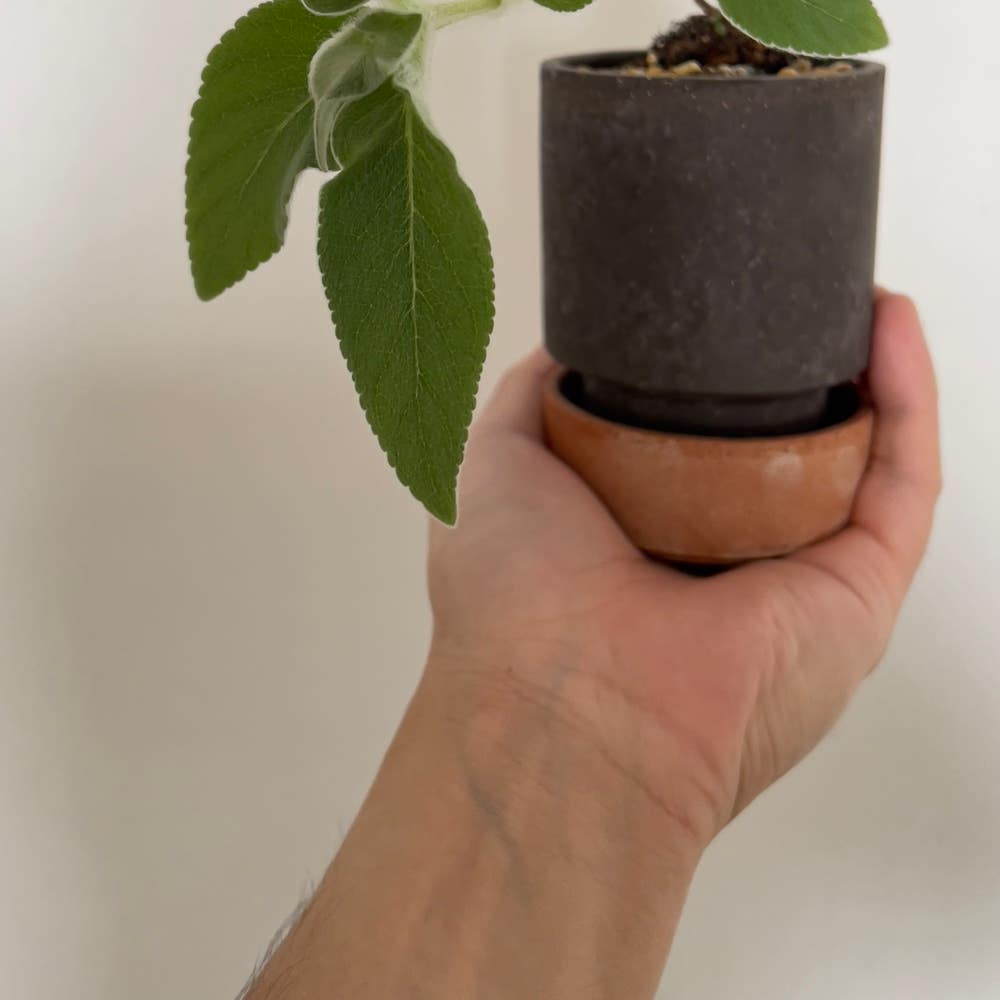
🏺 Clay Pots
Clay pots are a popular choice for many plant enthusiasts. They offer excellent breathability and moisture regulation, making them ideal for Brazilian Edelweiss.
However, they can dry out quickly, which means you'll need to water more frequently. This is something to keep in mind if you have a busy schedule.
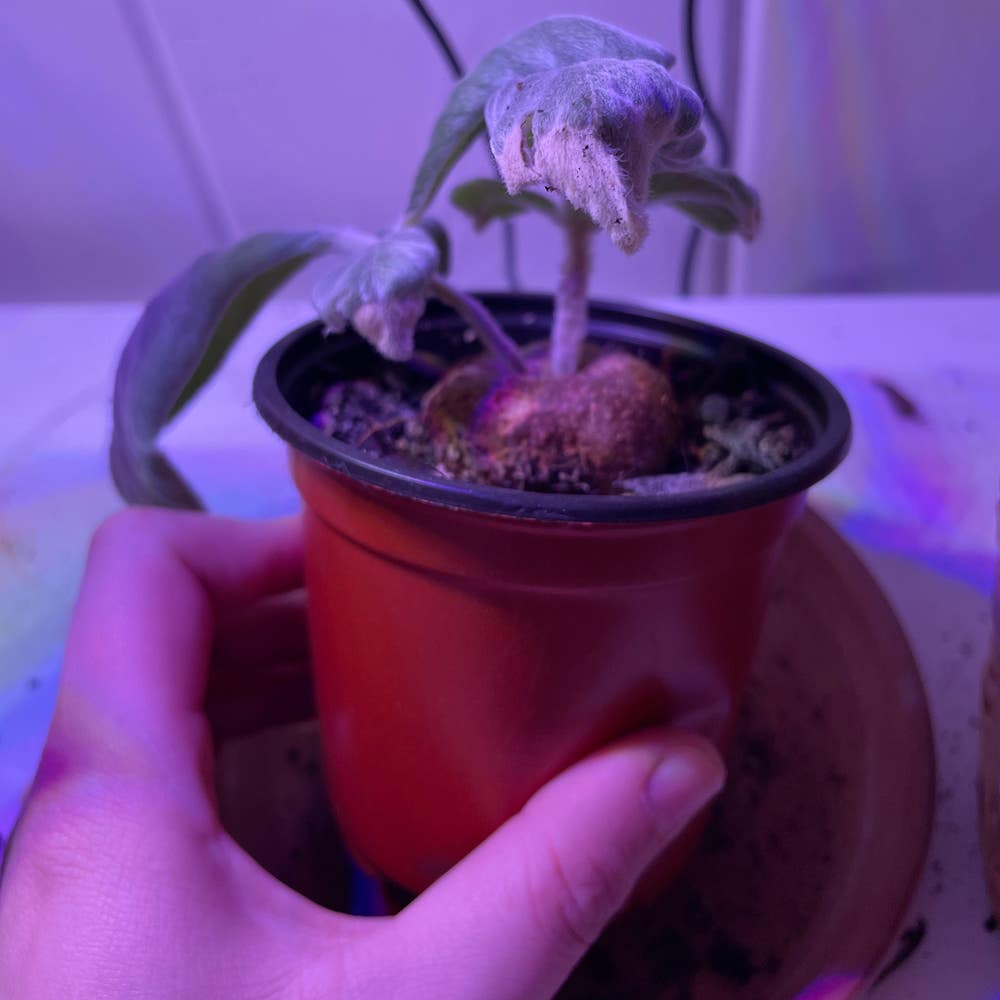
🧴 Plastic Pots
Plastic pots are lightweight and retain moisture longer than clay. This can be a significant advantage, especially in warmer climates where evaporation is a concern.
On the downside, they are less breathable. If drainage isn't adequate, this can lead to root rot, which is detrimental to your plant's health.
🍂 Terracotta Pots
Terracotta pots strike a good balance between breathability and moisture retention. They allow for adequate air circulation while still holding enough moisture for your Brazilian Edelweiss.
That said, they can be heavy and may require careful handling. If you're moving plants around often, this might be a consideration.
🏆 Choosing the Right Material
When selecting pot materials, consider your local climate and watering habits. A pot that works well in a humid environment may not be suitable for a drier climate.
Also, weigh aesthetic appeal against functional needs. While a beautiful pot can enhance your space, prioritizing plant health is essential for long-term success.
In the end, the right pot material can make all the difference in nurturing your Brazilian Edelweiss. Now, let’s explore the significance of drainage holes in pot selection.
Significance of Drainage Holes in Pot Selection
Importance of Drainage 🌧️
Proper drainage is vital for the health of Brazilian Edelweiss. This plant is particularly sensitive to overwatering, making drainage holes essential to prevent waterlogging.
Types of Drainage Solutions 🧱
When selecting pots, standard drainage holes are a must for all types. For added protection, consider placing gravel or perlite at the bottom of your pots to enhance drainage.
Assessing Drainage Needs 🔍
Regularly check your drainage holes for any blockages. Additionally, elevating pots slightly can help facilitate better drainage, ensuring your plant thrives.
Understanding the significance of drainage will set you on the right path for nurturing your Brazilian Edelweiss. Next, let’s explore the best practices for repotting this beautiful plant.
Repotting Brazilian Edelweiss
🕒 When to Repot
Repotting is essential for the health of your Brazilian Edelweiss. Look for signs like roots emerging from drainage holes, stunted growth despite proper care, or soil degradation and compaction.
It's generally recommended to repot every 1-2 years, depending on how quickly your plant is growing. Keeping an eye on these indicators will help ensure your plant thrives.
🏺 How to Choose the Right Pot When Repotting
Selecting the right pot is crucial when repotting. Start by following size guidelines based on the growth stage of your plant.
Next, choose a pot material that aligns with your watering habits and the plant's needs. Lastly, make sure the new pot has adequate drainage holes to prevent waterlogging.
With these considerations in mind, your Brazilian Edelweiss will have the best chance to flourish in its new home. Now, let’s explore common mistakes in pot selection to avoid pitfalls in your plant care journey.
Common Mistakes in Pot Selection
🚰 Overlooking Drainage Needs
One of the biggest blunders you can make is ignoring drainage holes. For Brazilian Edelweiss, proper drainage is crucial; without it, you risk waterlogging, which can lead to root rot and other serious health issues.
📏 Choosing the Wrong Pot Size
Selecting a pot that is either too large or too small can hinder your plant's growth and stability. A pot that’s too big retains excess moisture, while one that’s too small restricts root expansion.
🧱 Ignoring Material Properties
Don’t underestimate how pot materials affect moisture retention and aeration. Choosing a pot based solely on looks can compromise your plant's health, so prioritize functionality over aesthetics.
🎨 Aesthetic Choices vs. Functional Needs
While it’s tempting to pick a pot that matches your decor, remember that the plant's well-being should come first. A beautiful pot is useless if it doesn’t support healthy growth.
By avoiding these common mistakes, you can ensure your Brazilian Edelweiss thrives in its new home. Next, let’s explore the importance of repotting and how to do it effectively.
⚠️ Safety First
This content is for general information and may contain errors, omissions, or outdated details. It is not medical, veterinary advice, or an endorsement of therapeutic claims.
Always consult a qualified healthcare professional before using any plant as food, medicine, or supplement.
Never eat any plant (or feed one to pets) without confirming its identity with at least two trusted sources.
If you suspect poisoning, call Poison Control (800) 222-1222, the Pet Poison Helpline (800) 213-6680, or your local emergency service immediately.
Spotted an error? Please report it here.
Choose the perfect pot for your Brazilian Edelweiss 🌱 with Greg's tailored tips and reminders, ensuring your plant thrives in just the right environment!