Why Brazilian Edelweiss Is A Perennial Plant
Sinningia leucotricha
By the Greg Editorial Team
Sep 30, 2024•5 min read
This article was created with the help of AI so we can cover more plants for you. May contain errors. See one? Report it here.
Transform your garden with Brazilian Edelweiss—enjoy vibrant blooms and low-maintenance beauty year after year! 🌱
- 🌼 Brazilian Edelweiss thrives for years, making it a low-maintenance perennial choice.
- 🌞 Full sun and well-drained soil are essential for optimal growth and vibrant blooms.
- 🌱 Understanding dormancy and seasonal changes helps gardeners care for this resilient plant.
Characteristics of Brazilian Edelweiss as a Perennial
🌱 Multi-Year Lifecycle
Brazilian Edelweiss boasts a remarkable multi-year lifecycle, allowing it to thrive over several seasons. Each year, it regrows from the same root system, distinguishing it from annual and biennial plants that require replanting.
This perennial nature means that once established, Brazilian Edelweiss can continue to flourish without the need for yearly sowing. Its resilience makes it a favorite among gardeners seeking low-maintenance options.
📈 Growth Patterns
The growth patterns of Brazilian Edelweiss are tailored to its perennial classification. It establishes a robust root system that not only supports its growth but also enhances its ability to withstand varying environmental conditions.
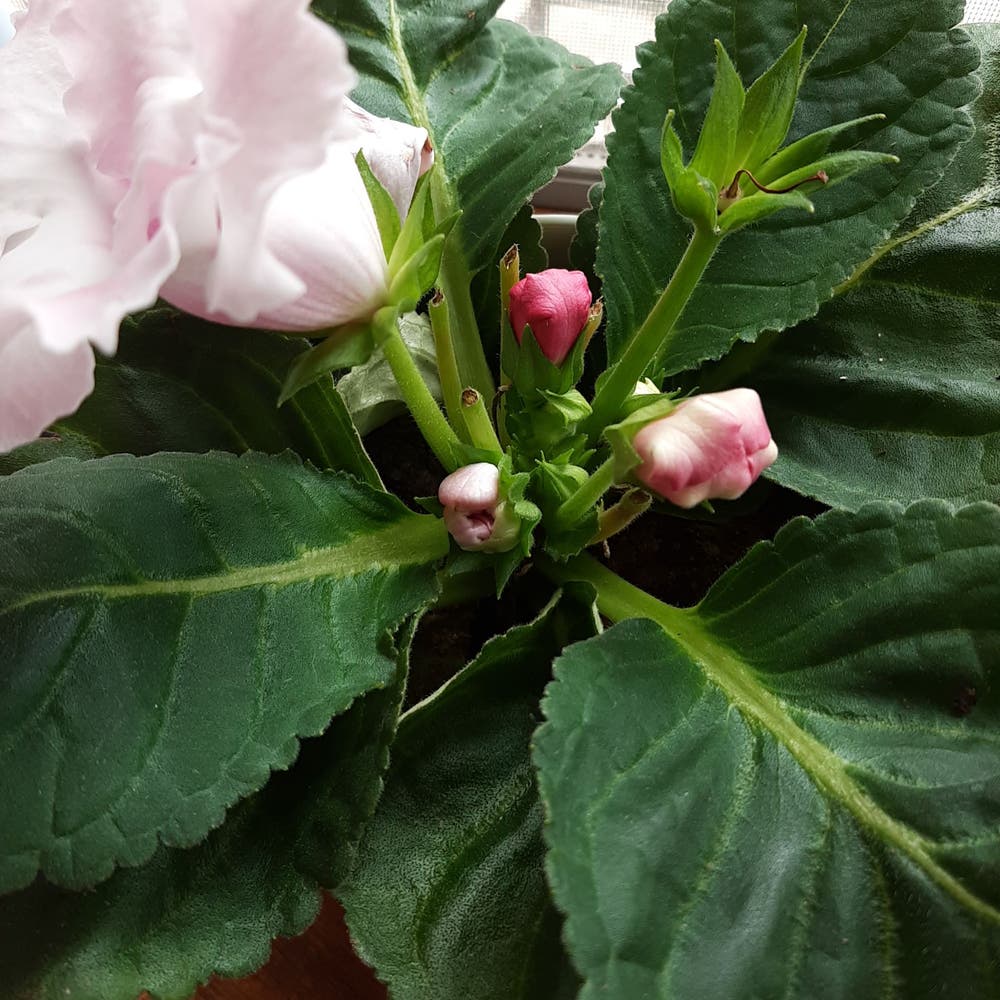
Flowering cycles are integral to its life cycle, typically occurring in specific seasons. This cyclical blooming is a key characteristic that reinforces its identity as a perennial plant, making it a vibrant addition to any garden.
With its unique growth patterns and lifecycle, Brazilian Edelweiss stands out as a perennial that offers both beauty and resilience. As we explore seasonal changes and dormancy next, we’ll uncover how these factors further influence its remarkable characteristics.
Seasonal Changes and Dormancy
💤 Dormancy Periods
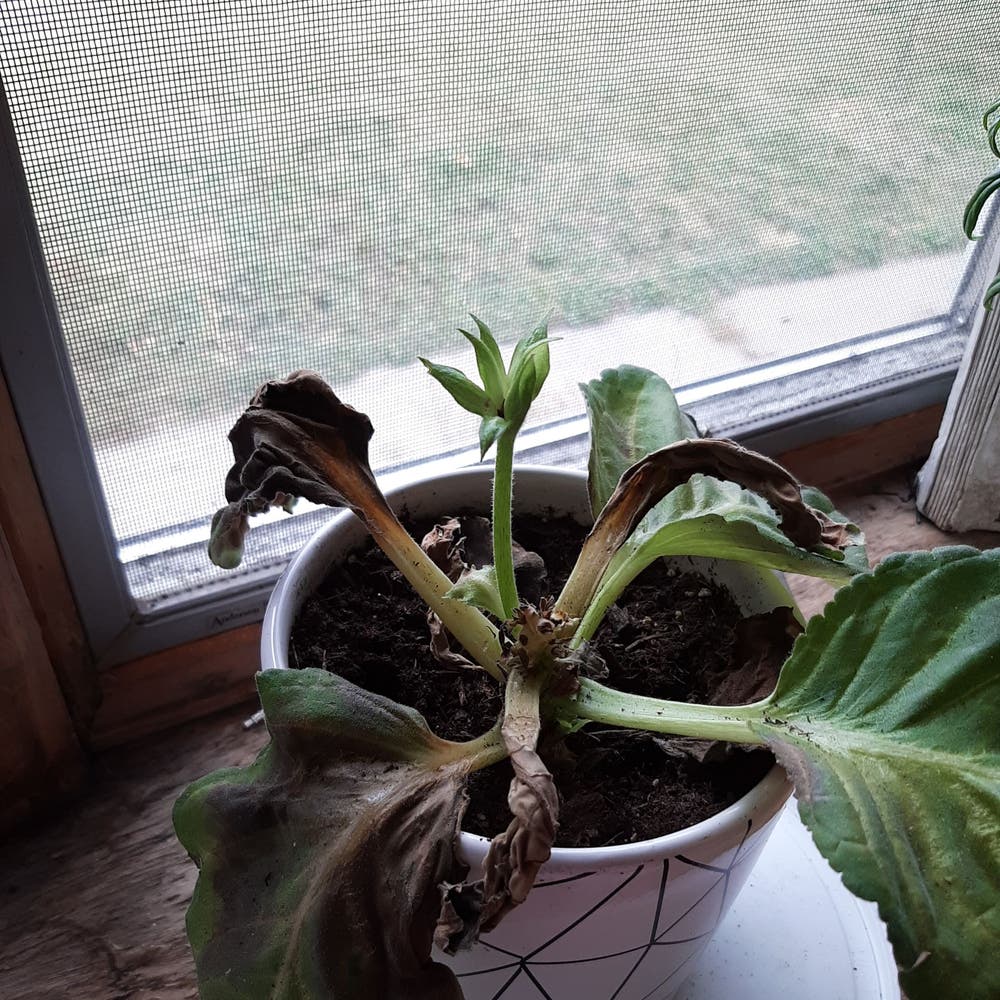
Brazilian Edelweiss experiences distinct dormancy periods throughout its lifecycle. These phases are crucial for the plant's survival, allowing it to conserve energy when conditions are less favorable.
Several factors trigger dormancy, including temperature fluctuations, moisture levels, and light conditions. When temperatures drop or moisture becomes scarce, Brazilian Edelweiss instinctively enters a dormant state, ensuring its roots remain protected.
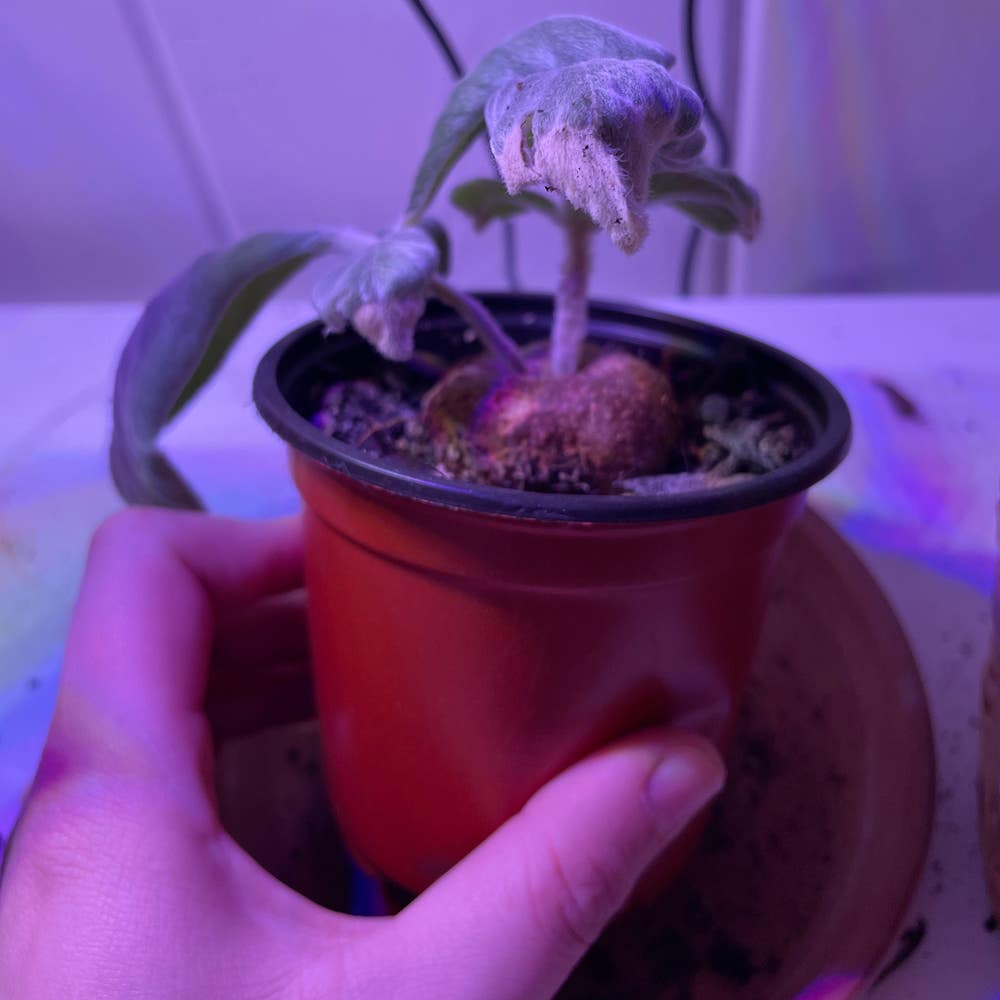
To survive these dormancy periods, Brazilian Edelweiss has developed specific adaptations. Its robust root system stores nutrients, enabling the plant to bounce back when conditions improve.
🌦️ Seasonal Changes Affecting Growth
Seasonal changes significantly impact the growth of Brazilian Edelweiss. As the seasons shift, the plant responds dynamically, adjusting its growth patterns and flowering cycles accordingly.
In spring, for instance, warmer temperatures and increased sunlight stimulate growth, leading to vibrant blooms. Conversely, during the colder months, the plant conserves energy, focusing on root development rather than foliage or flowers.
Understanding these seasonal changes is essential for gardeners looking to cultivate Brazilian Edelweiss effectively. By aligning care practices with the plant's natural rhythms, you can enhance its growth and flowering potential.
As we explore the advantages of its perennial nature, consider how these seasonal dynamics play a role in your garden planning.
Advantages of Perennial Nature
🌱 Benefits for Gardeners
One of the standout advantages of Brazilian Edelweiss is its perennial nature, which significantly reduces replanting efforts. Once established, these plants thrive year after year, allowing gardeners to enjoy their beauty without the hassle of re-sowing.
Additionally, Brazilian Edelweiss develops a robust root system that leads to lower maintenance requirements. This means less time spent on upkeep and more time enjoying your garden.
⏳ Expected Lifespan and Longevity Factors
Brazilian Edelweiss typically boasts a lifespan of several years, making it a reliable choice for any garden. However, its longevity can be influenced by several factors, including soil quality, climate, and care practices.
Healthy, well-drained soil and appropriate climate conditions can enhance its lifespan. Regular care, such as proper watering and occasional fertilization, also plays a crucial role in ensuring these plants thrive for many seasons to come.
As you plan your garden, consider how the perennial nature of Brazilian Edelweiss can simplify your gardening experience. This plant not only beautifies your space but also offers long-term benefits that make it a smart choice for any gardener.
Next, let's explore how seasonal changes and dormancy periods affect the growth of Brazilian Edelweiss.
Variations Across Climate Zones
🌍 Perennial Behavior in Different Climates
Brazilian Edelweiss showcases remarkable adaptability across various climate zones. In warmer regions, it thrives with vibrant blooms, while in cooler climates, it may exhibit a more subdued growth pattern.
These variations are largely due to the plant's ability to adjust its growth and flowering cycles based on environmental conditions. For instance, in tropical climates, Brazilian Edelweiss may flower more frequently, while in temperate zones, it may enter dormancy during colder months.
🌱 Influence of Growing Conditions
The growing conditions significantly impact the perennial characteristics of Brazilian Edelweiss. Soil type plays a crucial role; well-draining, nutrient-rich soil promotes robust growth.
Moisture levels are equally important. Consistent moisture supports healthy root systems, while excessive water can lead to root rot. Sunlight exposure also affects growth; Brazilian Edelweiss flourishes in full sun but can tolerate partial shade.
To optimize growing conditions, consider the following recommendations:
- Soil Preparation: Use a mix of organic matter to enhance drainage and nutrients.
- Watering Practices: Maintain consistent moisture without waterlogging.
- Sunlight Management: Ensure at least six hours of sunlight daily for optimal flowering.
By understanding these factors, you can enhance the perennial benefits of Brazilian Edelweiss in your garden. This knowledge not only fosters a thriving plant but also enriches your gardening experience.
As we explore the advantages of this perennial plant, consider how its unique characteristics can elevate your garden planning.
Maximizing Benefits in Garden Planning
Tips for Long-Term Cultivation 🌱
Integrating Brazilian Edelweiss into your garden design can yield stunning results. Start by selecting a location that offers well-drained soil and plenty of sunlight, as these conditions support optimal growth.
Planning for seasonal changes is crucial. Understanding the dormancy periods of Brazilian Edelweiss allows you to anticipate its needs throughout the year, ensuring it thrives even during less active months.
Strategies for Integration 🤝
Companion planting can enhance the growth of Brazilian Edelweiss. Consider pairing it with drought-resistant plants, which can share similar water needs and create a harmonious garden ecosystem.
Layout matters too. Position Brazilian Edelweiss where it can receive maximum sunlight while also ensuring adequate moisture retention. This thoughtful arrangement will help your plants flourish and create a vibrant garden space.
By following these tips, you can maximize the benefits of Brazilian Edelweiss, making it a standout feature in your garden. Next, let’s explore how its perennial nature varies across different climate zones.
⚠️ Safety First
This content is for general information and may contain errors, omissions, or outdated details. It is not medical, veterinary advice, or an endorsement of therapeutic claims.
Always consult a qualified healthcare professional before using any plant as food, medicine, or supplement.
Never eat any plant (or feed one to pets) without confirming its identity with at least two trusted sources.
If you suspect poisoning, call Poison Control (800) 222-1222, the Pet Poison Helpline (800) 213-6680, or your local emergency service immediately.
Spotted an error? Please report it here.
Cultivate a thriving garden 🌼 with Brazilian Edelweiss by using Greg's tailored watering reminders and expert care tips to ensure your perennial beauty flourishes for years to come!