All About Your Brazilian Edelweiss's Roots 🪴
Sinningia leucotricha
By the Greg Editorial Team
Sep 30, 2024•6 min read
This article was created with the help of AI so we can cover more plants for you. May contain errors. See one? Report it here.
Master root care for your Brazilian Edelweiss 🌱 and watch it thrive with vibrant growth and resilience!
- 🌱 Brazilian Edelweiss has fibrous roots for better nutrient uptake and stability.
- 💧 Well-draining soil prevents root rot; allow soil to dry slightly between watering.
- 🌿 Transplant in spring or fall to minimize stress and promote healthy growth.
Root System Characteristics
🌱 Type of Root System
The Brazilian Edelweiss features a predominantly fibrous root system. This dense network of thin roots enhances nutrient uptake and provides stability, making it well-suited for various environments.
In comparison to taproot systems, fibrous roots have less depth but a greater spread. This characteristic allows for efficient absorption of nutrients in well-draining soils, which is crucial for the plant's health.
📏 Specific Characteristics
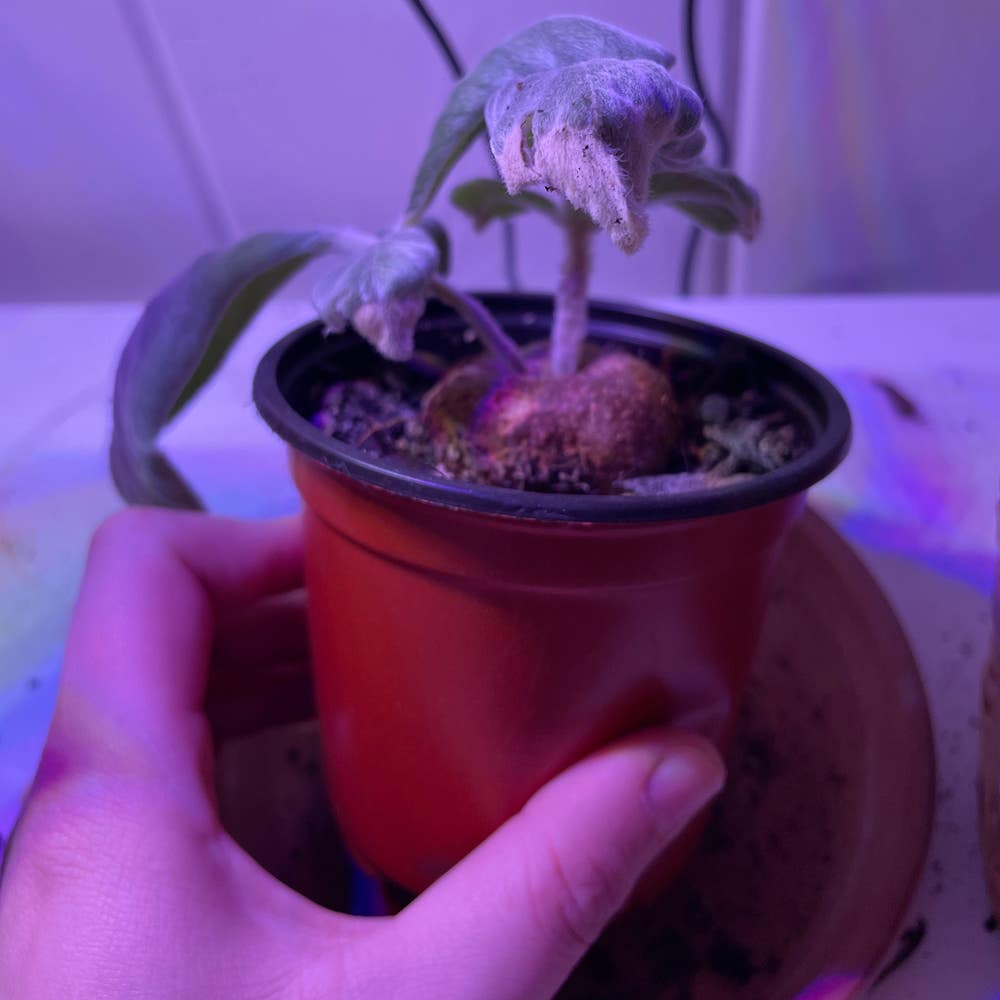
Adapted to mountainous regions, the Brazilian Edelweiss thrives in well-draining soil to prevent waterlogging. Its ability to store moisture enhances drought resilience, allowing it to survive in challenging conditions.
Variations among cultivars can lead to differences in root density and spread. These variations can significantly affect care requirements, so understanding your specific cultivar is essential for optimal growth.
With these insights into the root system characteristics, you can better appreciate how to care for your Brazilian Edelweiss. Next, we’ll explore the root depth and spread, which are vital for understanding its growth patterns and care implications.
Root Depth and Spread
Typical Depth and Spread 🌱
The Brazilian Edelweiss typically boasts a root depth of up to 12 inches. Its roots spread beyond the plant's canopy, enhancing stability and facilitating nutrient access.
Growth Patterns and Care Implications 📈
Initially, the plant experiences rapid growth, which is followed by a more extensive root spread. This growth pattern necessitates adequate space in pots and garden beds to accommodate the expanding root system.
Understanding these characteristics is crucial for ensuring your Brazilian Edelweiss thrives. Proper care will lead to a healthier plant, setting the stage for the next section on watering and fertilizing techniques.
Watering and Fertilizing
Root System's Impact on Watering Needs 🌱
Watering your Brazilian Edelweiss requires a thoughtful approach. It's crucial to allow the soil to dry slightly between waterings to prevent root rot, which can be detrimental to your plant's health.
Aim to water every 1-2 weeks, adjusting based on environmental conditions. Factors like humidity and temperature can significantly influence how quickly the soil dries out.
Fertilizing Techniques 🌿
When it comes to fertilizing, using balanced fertilizers during the growing season is key. This ensures your plant receives the necessary nutrients to thrive.
For application, consider diluted liquid fertilizers. This method helps avoid root burn, allowing your plant to absorb nutrients without stress.
By mastering these watering and fertilizing techniques, you'll set your Brazilian Edelweiss up for success. Next, let’s explore the best practices for transplanting your plant to ensure it continues to flourish.
Transplanting Considerations
Best Practices 🌱
Transplanting your Brazilian Edelweiss is best done in early spring or fall. These seasons offer mild temperatures, reducing stress on the plant during the transition.
When transplanting, gently loosen the root ball. Avoid disturbing the roots excessively to maintain their health and integrity.
Impact on Transplant Success 🚀
Healthy roots are crucial for a successful transplant. They help the plant establish quickly in new soil, ensuring it thrives in its new environment.
Keep an eye out for signs of transplant shock, such as wilting or yellowing leaves. Addressing these issues promptly can make all the difference in your plant's recovery.
Understanding these transplanting considerations will set your Brazilian Edelweiss up for success in its new home. Next, let’s explore common root issues that can arise and how to tackle them effectively.
Common Root Issues
Identifying Problems 🌱
Root health is crucial for your Brazilian Edelweiss, but several common issues can arise. One of the most prevalent problems is root rot, often caused by overwatering, which can suffocate the roots and lead to decay.
Another concern is pests, such as root aphids, which can compromise root integrity and overall plant health. Keeping an eye out for these issues is essential for maintaining a thriving plant.
Solutions and Preventive Measures 🛠️
Preventing root rot starts with ensuring well-draining soil. This allows excess water to escape, reducing the risk of waterlogged conditions that can harm your plant.
Proper watering techniques are also vital. Allow the soil to dry slightly between waterings, and adjust your frequency based on environmental conditions.
For pest management, regular inspections are key. Look for any signs of infestation and consider using organic pest control methods to keep your roots healthy and thriving.
By addressing these common root issues proactively, you can ensure your Brazilian Edelweiss remains robust and vibrant. Next, let's explore how to recognize root health indicators that signal your plant's overall well-being.
Root Health Indicators
Visual Cues 🌱
Healthy roots are a plant's lifeline. Look for roots that are firm and exhibit a white or light tan color, indicating vitality and minimal decay.
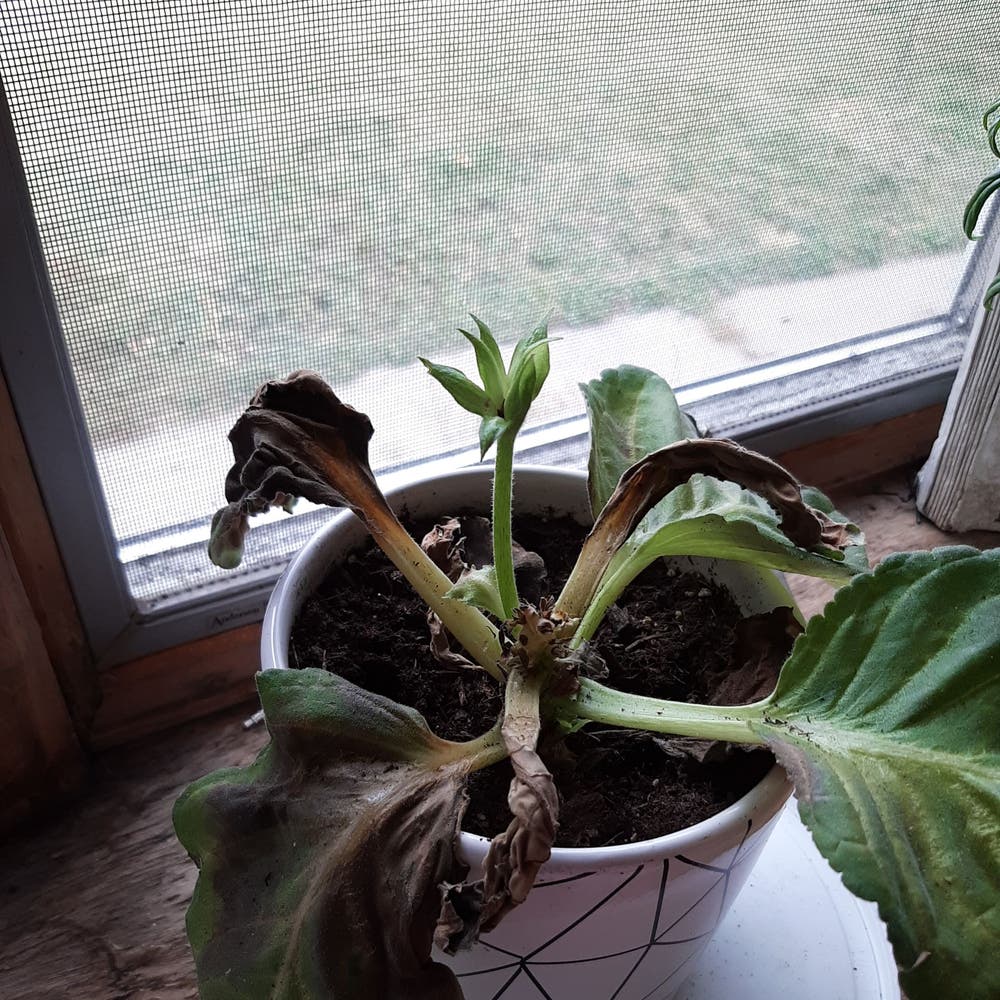
In contrast, unhealthy roots present a dark, mushy texture and may emit a foul odor. Visible signs of pests can also signal trouble, so keep an eye out for any abnormalities.
Importance of Root Health 🌿
Root health is directly tied to overall plant health. Strong roots support efficient nutrient uptake and enhance stress resistance, which is crucial for thriving plants.
When roots are healthy, the entire plant flourishes, showcasing vibrant growth and resilience. Understanding these indicators empowers you to take proactive steps in your plant care journey.
With this knowledge, you can ensure your Brazilian Edelweiss remains robust and beautiful. Next, let’s explore how to recognize and address rootbound conditions.
Recognizing Rootbound Conditions
Definition and Signs 🌱
Rootbound conditions occur when a plant's roots grow in circles within the pot, restricting their growth. This can lead to several visible signs, including stunted growth, roots pushing out of drainage holes, and soil that dries out quickly.
Addressing Rootbound Issues 🛠️
Intervention is crucial as soon as you notice these signs. The best solutions include repotting the plant into a larger container or performing root pruning to stimulate new growth.
By keeping an eye on your plant's root health, you can ensure it continues to thrive and flourish. Understanding these conditions not only enhances your gardening skills but also deepens your connection with your plants.
Propagation and Division
🌱 Importance of Root Health
Healthy roots are the backbone of successful propagation and division. They ensure that new plants establish quickly and thrive in their new environments.
✂️ Techniques for Dividing and Propagating
To propagate your Brazilian Edelweiss effectively, follow these simple steps:
- Select a Healthy Parent Plant: Choose a robust plant with a vibrant appearance.
- Carefully Separate Roots: Gently loosen the root ball and separate the roots during division, taking care not to damage them.
- Replant Divisions: Place the separated roots in well-draining soil to promote healthy growth.
⏰ Timing for Optimal Success
The best time to propagate is during the growing season. This timing maximizes the chances of successful establishment and growth for your new plants.
By understanding these techniques, you can ensure that your Brazilian Edelweiss continues to flourish, enriching your garden with its beauty. Next, let's explore how to recognize and address rootbound conditions to keep your plants thriving.
⚠️ Safety First
This content is for general information and may contain errors, omissions, or outdated details. It is not medical, veterinary advice, or an endorsement of therapeutic claims.
Always consult a qualified healthcare professional before using any plant as food, medicine, or supplement.
Never eat any plant (or feed one to pets) without confirming its identity with at least two trusted sources.
If you suspect poisoning, call Poison Control (800) 222-1222, the Pet Poison Helpline (800) 213-6680, or your local emergency service immediately.
Spotted an error? Please report it here.
Unlock the secret to a thriving Brazilian Edelweiss 🌱 with Greg's tailored watering reminders and expert care tips that keep those roots healthy and happy!