🌼 Top 3 Signs Your Brazilian Edelweiss Needs Pollination
Sinningia leucotricha
By the Greg Editorial Team
Sep 30, 2024•6 min read
This article was created with the help of AI so we can cover more plants for you. May contain errors. See one? Report it here.
Master pollination techniques to help your Brazilian Edelweiss thrive and transform your garden! 🌼
- 🐝🌼 Brazilian Edelweiss needs cross-pollination from bees and butterflies for reproductive success.
- 🌿✨ Hand pollination boosts success; timing and flower structure are key factors.
- 🌍🌸 Create a pollinator-friendly garden by planting natives and avoiding pesticides.
Self-Pollination vs. Cross-Pollination
🌼 Pollination Method
Brazilian Edelweiss thrives on cross-pollination, which means it needs specific pollinators like bees and butterflies to reproduce effectively. This reliance on cross-pollination not only boosts genetic diversity but also enhances the overall health of the plant, making it more resilient to diseases.
📚 Importance of Understanding Pollination
Grasping the ins and outs of the pollination process is crucial for any gardener. By understanding how pollination works, you can better support your Brazilian Edelweiss, ensuring its reproductive success and vibrant growth.
The more you know, the more you can help your plants flourish. This knowledge empowers you to create an environment where your Edelweiss can thrive, ultimately leading to a more beautiful garden.
Flower Structure
Description of Flower Characteristics 🌼
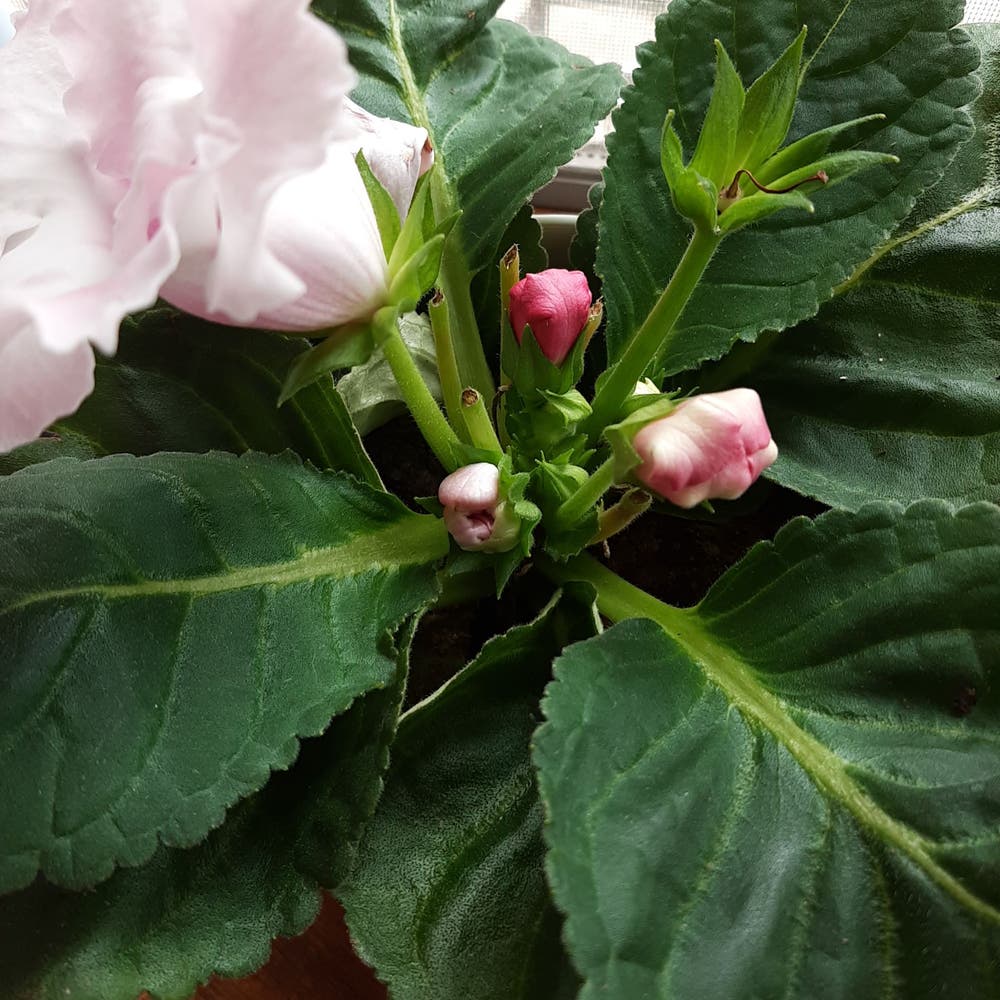
The Brazilian Edelweiss boasts a striking star-shaped flower with five distinct petals. Its white petals beautifully contrast with a central cluster of vibrant yellow stamens, creating a visual feast for pollinators.
These flowers grow in clusters, making them highly visible and inviting to bees and butterflies. This arrangement not only enhances their aesthetic appeal but also plays a crucial role in attracting the right pollinators.
Role in Pollination 🐝
The unique arrangement and bright colors of the Brazilian Edelweiss flowers are designed to draw in pollinators. This attraction is vital for effective pollen transfer, ensuring the plant can reproduce successfully.
Moreover, the flower's structure supports cross-pollination, which is essential for maintaining genetic diversity. By encouraging visits from various pollinators, the plant enhances its overall health and resilience.
Understanding these characteristics can empower gardeners to create environments that foster successful pollination. With the right knowledge, you can help your Brazilian Edelweiss thrive and flourish.
Next, we’ll explore the pollination process and the vital role of primary pollinators.
Pollination Process
Identification of Primary Pollinators and Attraction Methods 🐝
The Brazilian Edelweiss thrives thanks to its primary pollinators: bees and butterflies. These creatures are drawn in by the plant's nectar production, vibrant flower color, and enticing scent.
Pollinators play a crucial role in the plant's reproductive cycle. By understanding how these species are attracted, gardeners can enhance the chances of successful pollination.
Natural Pollination Mechanisms 🌼
During the pollination process, pollen is transferred from the male stamens to the female pistils, primarily facilitated by visiting pollinators. As bees and butterflies flit from flower to flower, they inadvertently carry pollen on their bodies, ensuring effective pollen transfer.
This natural mechanism is vital for the reproduction of Brazilian Edelweiss. It not only supports the plant's life cycle but also promotes genetic diversity, which is essential for resilience and adaptability.
Understanding these processes empowers gardeners to create a thriving environment for their plants. By fostering healthy pollinator populations, you can ensure your Brazilian Edelweiss flourishes beautifully.
With this knowledge, you're ready to explore the next steps in supporting your plants through hand pollination.
Hand Pollination
Step-by-Step Instructions for Hand-Pollinating 🌼
Hand pollination can be a rewarding process for your Brazilian Edelweiss. Here’s how to do it effectively:
Identify Male and Female Flower Parts:
- Male: Look for the stamens, which contain the pollen.
- Female: Find the pistil, specifically the stigma where pollen needs to land.
Collecting Pollen:
- Gently tap or brush the stamens to gather pollen on a small brush or cotton swab. This step is crucial for ensuring you have enough pollen for transfer.
Transferring Pollen:
- Carefully apply the collected pollen to the stigma of the female flower. Precision is key here to enhance the chances of successful fertilization.
Timing:
- Perform this process in the morning when flowers are fully open. This is when they are most receptive to pollen.
Identifying Male and Female Flower Parts 🔍
Knowing how to distinguish between male and female flower parts is essential for successful hand pollination.
- Male Parts: The stamens are typically slender and hold the yellow pollen.
- Female Parts: The pistil is usually more prominent, with a sticky stigma at the top designed to catch pollen.
By familiarizing yourself with these structures, you can ensure that your hand pollination efforts are effective and fruitful.
With these steps, you're well on your way to enhancing the reproductive success of your Brazilian Edelweiss. Next, let’s explore how to support pollinators in your garden to further boost plant health and productivity.
Supporting Pollinators
🌼 Creating a Pollinator-Friendly Environment
To support your Brazilian Edelweiss, start by planting native flowers. These plants are adapted to local conditions and provide essential food sources for pollinators.
Next, ensure there are water sources nearby. A small birdbath or shallow dish can make a big difference for thirsty bees and butterflies.
Avoid using pesticides, as they can harm beneficial insects. Instead, consider natural pest control methods to keep your garden thriving.
🌸 Companion Plants that Attract Beneficial Pollinators
Companion planting is a fantastic way to enhance your garden's pollinator appeal. Consider adding lavender, which not only smells divine but also attracts bees with its vibrant blooms.
Coneflowers are another excellent choice. Their bright colors and abundant nectar draw in butterflies and other pollinators, creating a lively ecosystem around your Brazilian Edelweiss.
By cultivating a diverse garden, you can ensure a steady stream of pollinators, enhancing the health and productivity of your plants.
With a pollinator-friendly environment established, you can now focus on understanding the challenges that may arise during the pollination process.
Pollination Challenges
🌪️ Common Obstacles to Successful Pollination
Pollination can be tricky for Brazilian Edelweiss due to various environmental factors. Temperature fluctuations, high humidity levels, and a lack of pollinator activity can significantly hinder the process.
These challenges can lead to poor fruit set and reduced genetic diversity. Understanding these obstacles is crucial for any gardener looking to support their plants effectively.
🛠️ Solutions for Overcoming Environmental Challenges
Fortunately, there are several strategies to mitigate these challenges. Using protective covers during adverse weather can shield flowers from harsh conditions.
Additionally, planting a variety of pollinator-attracting plants ensures a steady supply of bees and butterflies. This diversity not only supports your Brazilian Edelweiss but also enhances the overall health of your garden.
By taking these steps, you can create a thriving environment that encourages successful pollination. This proactive approach will lead to healthier plants and a more vibrant garden ecosystem.
As you prepare to support your Brazilian Edelweiss, consider the next steps in creating a pollinator-friendly environment.
⚠️ Safety First
This content is for general information and may contain errors, omissions, or outdated details. It is not medical, veterinary advice, or an endorsement of therapeutic claims.
Always consult a qualified healthcare professional before using any plant as food, medicine, or supplement.
Never eat any plant (or feed one to pets) without confirming its identity with at least two trusted sources.
If you suspect poisoning, call Poison Control (800) 222-1222, the Pet Poison Helpline (800) 213-6680, or your local emergency service immediately.
Spotted an error? Please report it here.
Boost your Brazilian Edelweiss's health by recognizing pollination needs, and let Greg guide you with custom reminders 🌼 to create a thriving environment for pollinators!