🌼 6 Key Phases of Brazilian Edelweiss Development
Sinningia leucotricha
By the Greg Editorial Team
Sep 30, 2024•4 min read
This article was created with the help of AI so we can cover more plants for you. May contain errors. See one? Report it here.
Cultivate stunning Brazilian Edelweiss 🌼 from seed to bloom, transforming your garden into a vibrant paradise!
- 🌱 Brazilian Edelweiss germinates in 2-4 weeks with optimal conditions for success.
- 🌼 Flowering occurs 6-12 months post-germination, showcasing distinctive white blooms.
- ⏳ Full maturity takes 1-2 years, requiring patience and proper care throughout phases.
Germination Stage
Duration of Germination 🌱
The germination period for Brazilian Edelweiss typically spans 2-4 weeks. This timeframe can vary based on factors like temperature and moisture levels, which play a crucial role in the process.
Conditions for Successful Germination 🌡️
To ensure successful germination, maintain an optimal temperature range of 15°C to 20°C (59°F to 68°F).
A well-draining, nutrient-rich substrate is essential for healthy growth. Additionally, provide indirect sunlight to prevent overheating, which can hinder the germination process.
By creating the right conditions, you set the stage for robust seedlings. This foundational phase is critical for the plant's future development and overall health.
As you nurture these seeds, remember that patience is key. The next stage will reveal the delicate beauty of the seedlings as they begin to emerge.
Seedling Stage
🌱 Characteristics of Seedlings
During the seedling stage, Brazilian Edelweiss plants are quite small, typically measuring between 2-4 cm tall. Their delicate leaves start as a light green, gradually deepening in color as they mature.
⏳ Duration and Care During This Phase
This phase lasts about 4-6 weeks, allowing the seedlings to grow strong enough for transplanting. Proper care during this time is crucial; ensure they receive adequate moisture and indirect sunlight to thrive.
As you nurture these seedlings, remember that their health now sets the foundation for future growth. With the right conditions, you'll soon see them ready to transition to the next stage of development.
Vegetative Growth Stage
Growth Patterns and Changes 🌱
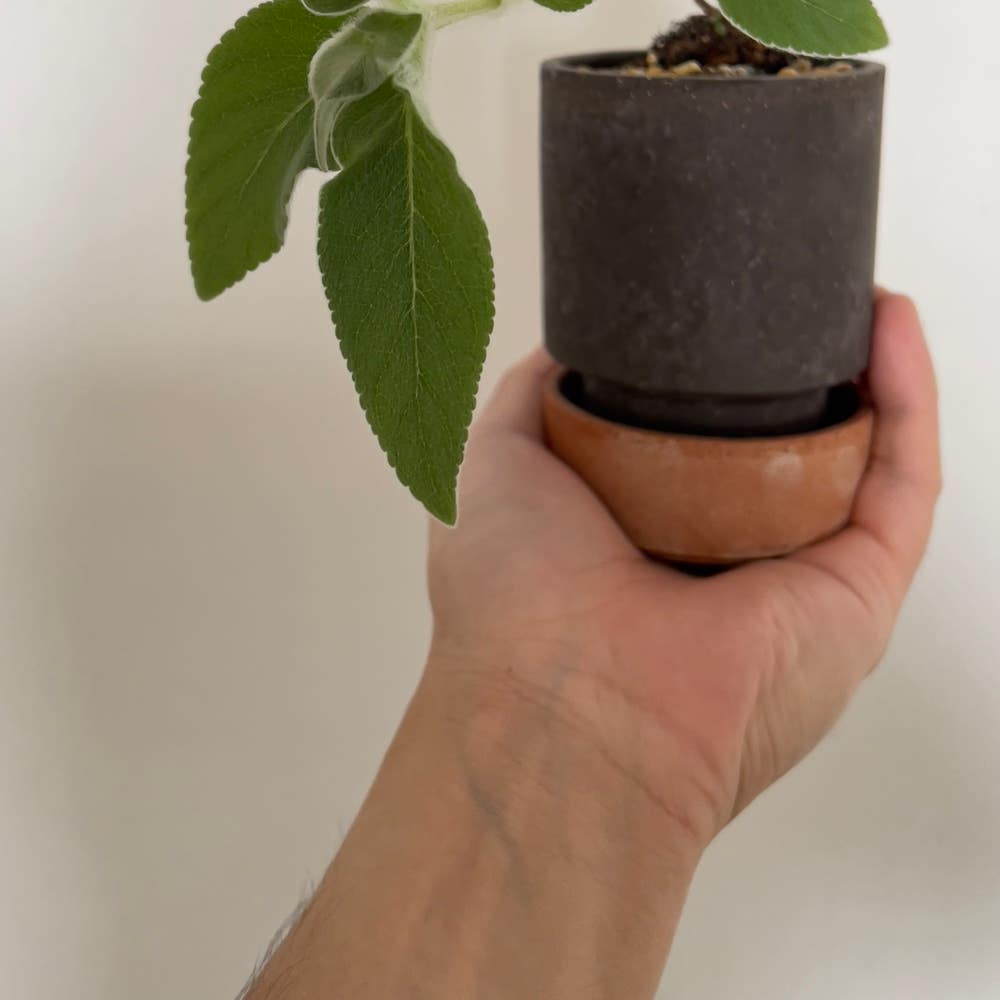
The vegetative growth stage of Brazilian Edelweiss is marked by a relatively slow growth rate, averaging just 1-2 cm per week. During this time, the plant develops thick, fleshy rosette leaves that are essential for its overall health and vitality.
Duration of Vegetative Growth ⏳
This stage typically lasts between 3 to 6 months, influenced by various environmental conditions. Factors such as temperature, light, and soil quality play a crucial role in determining how quickly the plant progresses through this phase.
As the Brazilian Edelweiss matures, it lays the groundwork for the upcoming flowering stage. Understanding this growth phase is vital for anyone looking to cultivate this unique plant successfully.
Flowering Stage
Timing of Flowering 🌸
The flowering period for Brazilian Edelweiss typically occurs from late spring to early summer. This stage usually happens around 6 to 12 months after germination, influenced by environmental factors like temperature and daylight hours.
Characteristics of Flowers 🌼
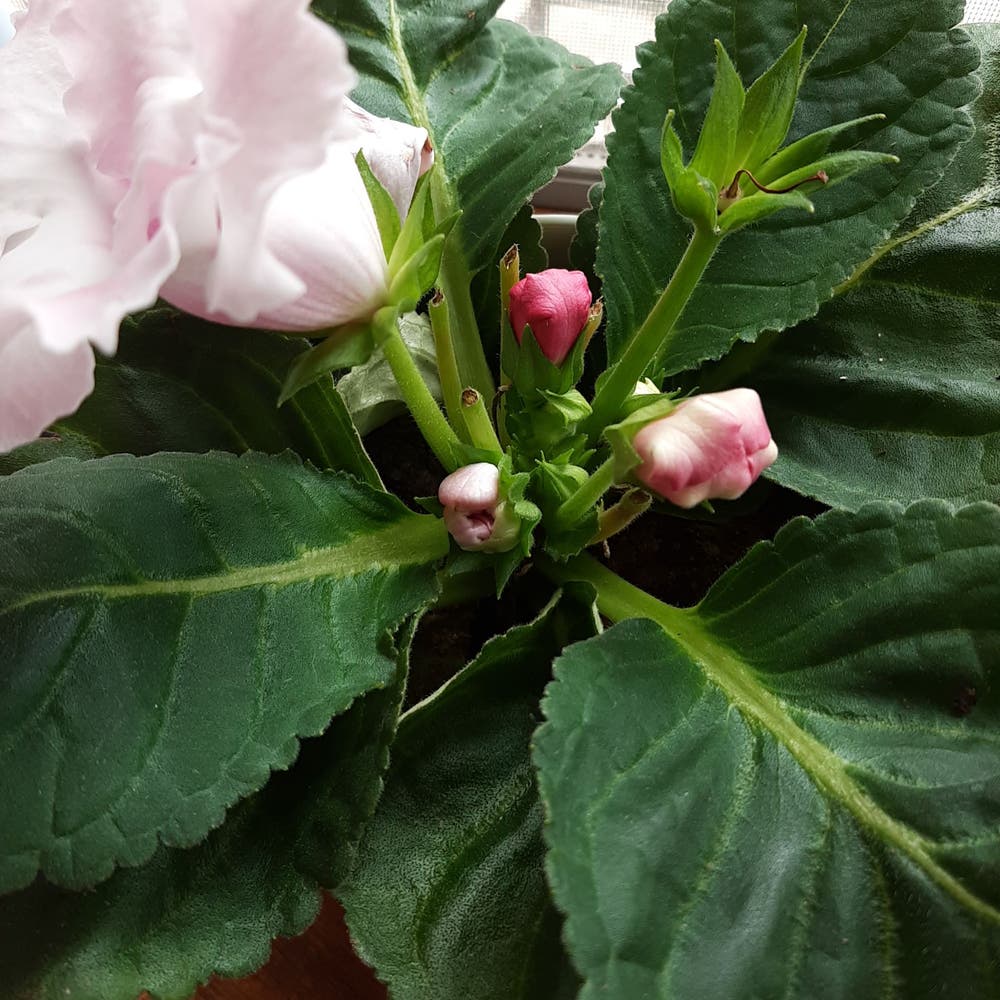
The flowers of Brazilian Edelweiss are truly distinctive, featuring white, woolly blooms that not only look stunning but also attract pollinators. Each bloom has a lifespan of about 2 to 3 weeks, making them a delightful sight during their peak.
The flowering stage is a critical phase in the plant's life cycle, marking a transition from growth to reproduction. Understanding this stage can enhance your gardening experience and appreciation for this unique plant.
As we move forward, let’s explore the seed production stage, where the magic of pollination leads to new life.
Seed Production Stage
Process of Seed Production 🌼
Pollination is a crucial step in the seed production of Brazilian Edelweiss. This process is primarily facilitated by insects, which play a vital role in transferring pollen and ensuring successful fertilization.
Once pollination occurs, seed formation begins shortly after flowering. Pods start to develop, marking the transition from beautiful blooms to the next generation of plants.
Duration and Conditions for Seed Production ⏳
The duration for seeds to mature post-pollination typically spans 4-6 weeks. During this time, it's essential to maintain optimal conditions to ensure healthy seed development.
Factors such as consistent moisture and protection from extreme weather can significantly influence the success of seed production. Keeping the environment stable will help maximize yield and quality.
As we explore the next phase, understanding how long it takes for Brazilian Edelweiss to reach full maturity will provide insight into its growth journey.
Growth Rate and Maturation
🌱 How Long Until Brazilian Edelweiss is Fully Grown?
The journey from seed to full maturity for Brazilian Edelweiss typically spans about 1 to 2 years. This timeframe allows the plant to develop its unique characteristics and thrive in its environment.
⏳ Factors Affecting Growth Rate
Several factors can influence the growth rate of Brazilian Edelweiss.
- Soil Quality: A nutrient-rich, well-draining soil is essential for promoting faster growth.
- Climate: Cooler temperatures paired with adequate sunlight can significantly enhance growth.
🌼 Overall Lifespan of the Plant
Brazilian Edelweiss boasts a lifespan that can extend for several years. Each season, it engages in a notable reproductive cycle, ensuring its continuation and beauty in the landscape.
Understanding these growth dynamics not only helps in cultivating this stunning plant but also enriches your gardening experience. Next, let’s explore the fascinating process of seed production and its significance in the life cycle of Brazilian Edelweiss.
⚠️ Safety First
This content is for general information and may contain errors, omissions, or outdated details. It is not medical, veterinary advice, or an endorsement of therapeutic claims.
Always consult a qualified healthcare professional before using any plant as food, medicine, or supplement.
Never eat any plant (or feed one to pets) without confirming its identity with at least two trusted sources.
If you suspect poisoning, call Poison Control (800) 222-1222, the Pet Poison Helpline (800) 213-6680, or your local emergency service immediately.
Spotted an error? Please report it here.
Master the 6 phases of Brazilian Edelweiss growth 🌱 with Greg's tailored care reminders, ensuring your plant flourishes beautifully from germination to flowering!