Am I Starving My Brazilian Edelweiss? Fertilizing 101
Sinningia leucotricha
By the Greg Editorial Team
Feb 14, 2024•4 min read
This article was created with the help of AI so we can cover more plants for you. May contain errors. See one? Report it here.
Nourish your Brazilian Edelweiss to full bloom 🌼 without the guesswork of fertilizing – find out how!
- Organic vs. Synthetic: Choose based on your Brazilian Edelweiss's needs.
- N-P-K Ratio Matters: Aim for balanced or phosphorus-rich for blooms.
- Fertilize Wisely: During growth, not winter; watch for over-fertilization signs.
Picking the Right Food for Your Brazilian Edelweiss
💪 Organic vs. Synthetic: What's Best for Blooms?
When choosing between organic and synthetic fertilizers for your Brazilian Edelweiss, think of it as a diet plan. Organic fertilizers are like a slow-release energy bar, gradually improving soil health and providing a steady flow of nutrients. They're the marathon runners, ensuring your blooms develop with resilience and depth. Synthetic fertilizers, by contrast, are the sprinters. They offer a rapid nutrient boost that can make your Edelweiss pop in the short term but may lead to a crash—think nutrient burn—if not used carefully.
✨ N-P-K: The Magic Numbers for Flower Power
The N-P-K ratio is your Brazilian Edelweiss's secret sauce for blooms. Nitrogen (N) promotes lush foliage, but too much can overshadow flower production. Phosphorus (P) is your bloom's best friend, essential for vibrant flowers. Potassium (K) is the health guru, supporting the plant's overall well-being and stress resistance. Aim for a fertilizer with a balanced N-P-K ratio, or one slightly higher in phosphorus, to encourage those Brazilian Edelweiss blooms to truly flourish.
Timing is Everything: When to Fertilize
🌱 Growing Season Guidelines
Spring is the kickoff for fertilizing Brazilian Edelweiss; it's when your plant shakes off the winter blues and gets ready for action. Start feeding as new growth appears, typically around March. A monthly fertilizing schedule during this period supports the plant's active growth, much like a steady diet fuels a marathon runner.
The No-Go Zone: When to Hold Back
Winter is your cue to put the fertilizer away. The plant's growth is on pause, so additional nutrients will only go to waste, like pouring water into an already full cup. As autumn approaches and growth slows, ease up on the fertilizing. This helps your plant transition into its rest phase without the burden of excess nutrients, setting the stage for a serene winter slumber.
Feeding Your Plant: How to Apply Fertilizer
💧 The Right Way to Dish Out Nutrients
Mixing fertilizer is not rocket science, but it's close. Start with a high-quality product formulated for Brazilian Edelweiss. Dilute the fertilizer according to package instructions—think of it as making a cocktail for your plant's roots.
Pour the mixture onto the soil, not the leaves, to avoid the drama of chemical burns. Water the plant before and after applying the fertilizer to prevent nutrient overload and ensure even distribution.
⏰ Frequency and Dosage: Keeping it Balanced
Frequency is key; too much love can kill your plant. Stick to fertilizing during the growing season—early spring to fall. Aim for a trifecta: fertilize three times, unless your plant tells you otherwise.
Dosage? Less is more. Use the recommended amount on the label as a starting point, but if your plant starts to look like it's had too much to drink, dial it back. Remember, overfeeding can lead to a nutrient hangover for your Brazilian Edelweiss.
Oops, Too Much! Dealing with Over-Fertilization
🚨 Spotting Trouble: Early Signs of Excess
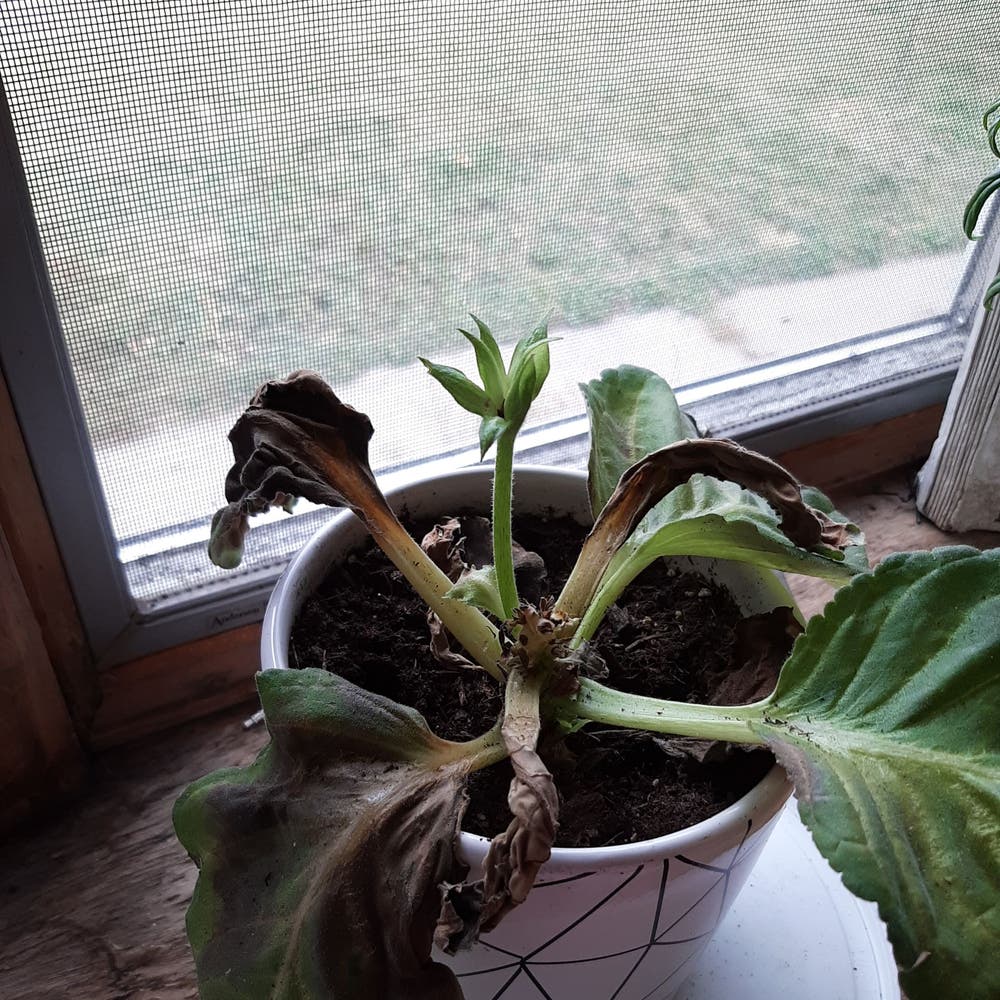
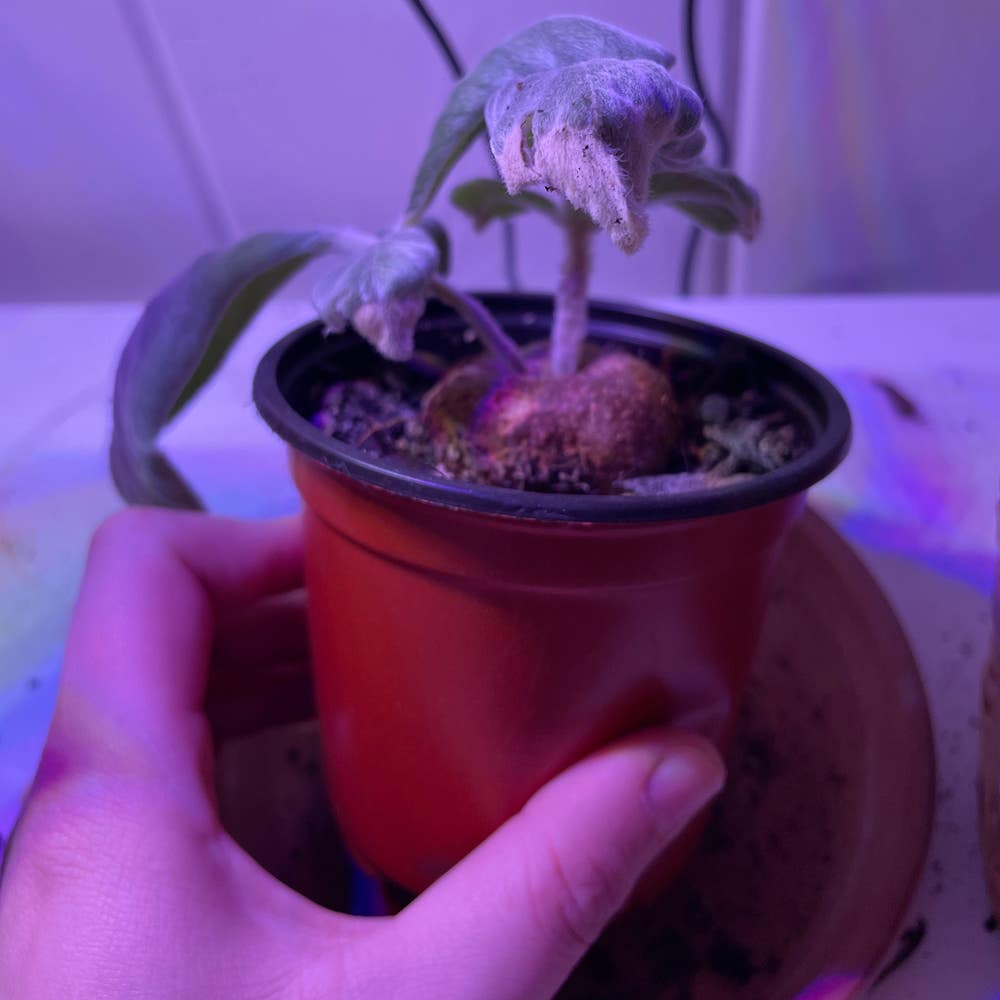
Yellowing leaves and brown tips are screaming for your attention; they're classic signs your Brazilian Edelweiss has had more than its fill of nutrients. A crusty soil surface is another red flag—it's the residue of fertilizer salts that have nowhere else to go. If the leaves look more like autumn than spring, or the roots resemble overcooked noodles, it's time to take action against over-fertilization.
The Recovery Plan
Stop all fertilization—your plant's not on an all-you-can-eat diet. Begin the recovery by flushing the soil with water, thoroughly, like you're rinsing away its sins. This isn't a one-time fix; repeat every few days to ensure those excess salts are waving goodbye. If you spot a mineral crust, gently remove it without turning into a soil excavator. And those sad, damaged leaves? Give them a trim; they're past the point of no return. Going forward, reassess your fertilizing strategy—think of it as a plant diet plan—and remember, moderation is key. If all else fails, a repot into fresh soil might just be the fresh start your Brazilian Edelweiss craves.
⚠️ Safety First
This content is for general information and may contain errors, omissions, or outdated details. It is not medical, veterinary advice, or an endorsement of therapeutic claims.
Always consult a qualified healthcare professional before using any plant as food, medicine, or supplement.
Never eat any plant (or feed one to pets) without confirming its identity with at least two trusted sources.
If you suspect poisoning, call Poison Control (800) 222-1222, the Pet Poison Helpline (800) 213-6680, or your local emergency service immediately.
Spotted an error? Please report it here.
Keep your Brazilian Edelweiss blooming beautifully 🌼 with Greg's custom fertilizing plan, ensuring you feed it just right during the growing season.