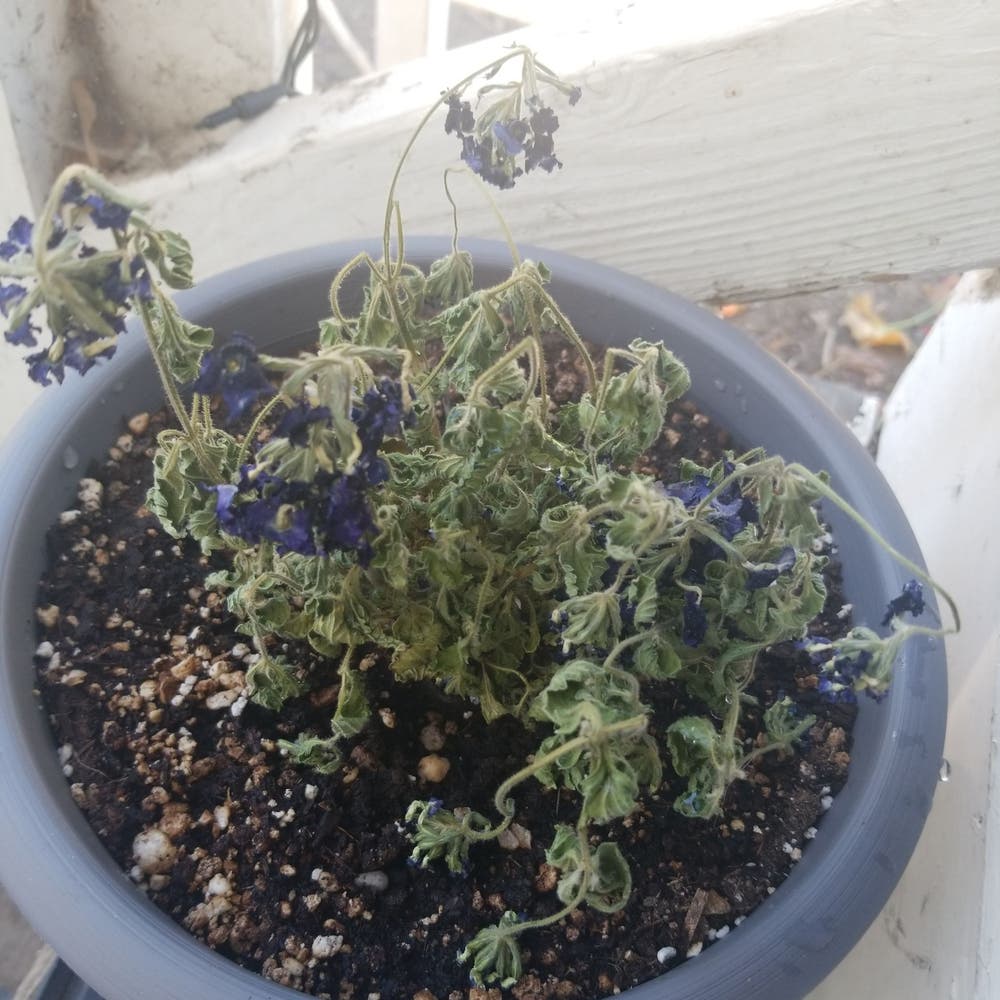
Why Slender Vervain Is Not an Annual 🦋
Verbena rigida
By the Greg Editorial Team
Oct 02, 2024•3 min read
This article was created with the help of AI so we can cover more plants for you. May contain errors. See one? Report it here.
Unlock your garden's potential 🌱 with Slender Vervain, a resilient perennial that boosts beauty and biodiversity!
- 🌱 Slender Vervain is a perennial, thriving year after year, not an annual.
- 🌼 Deep roots and stress tolerance help it flourish in tough conditions.
- 🌿 Seasonal dormancy allows regeneration, ensuring vibrant growth each spring.
Slender Vervain's Perennial Nature
🌱 Genetic Characteristics
Slender Vervain, scientifically known as Verbena stricta, is classified as a perennial plant. Its genetic makeup includes traits that enhance its long-term survival, allowing it to thrive in various environments.
This species has developed a deep root system, which is crucial for accessing nutrients and water. This adaptation not only supports its growth but also contributes to its resilience in challenging conditions.
🌿 Physiological Traits Contributing to Perennial Status
The root system of Slender Vervain is designed for regeneration, enabling it to bounce back each season. Its leaf structure is optimized for photosynthesis, allowing the plant to harness sunlight effectively over multiple years.
Moreover, Slender Vervain exhibits impressive stress tolerance. It can withstand drought and poor soil conditions, making it a reliable choice for gardeners seeking hardy perennials.
📅 Long-term Lifecycle and Growth Patterns
Slender Vervain follows a multi-year lifecycle, characterized by distinct growth and flowering cycles. This plant enters a state of dormancy during winter, only to regrow in the spring, showcasing its perennial nature.
As it matures, Slender Vervain exhibits notable growth patterns. Over the years, it increases in height and spread, creating a lush presence in any garden.
🌸 Reproductive Strategies
Flowering typically occurs from mid-summer to fall, with Slender Vervain producing small purple flowers. These flowers play a vital role in attracting pollinators, enhancing the ecological value of gardens where it is planted.
The seed production timeline is consistent, with the plant generating a significant quantity of seeds throughout its growing season. This ensures that it can continue to thrive year after year.
❓ Misconceptions and Exceptions
Despite its perennial nature, Slender Vervain can sometimes be mistaken for an annual. Environmental factors, such as drought or poor soil, may lead to reduced growth, causing confusion.
Additionally, seasonal dieback can be misinterpreted as death. Misidentification with annual species in similar habitats further complicates its recognition as a perennial.
🌼 Garden Design and Planting Strategies
Incorporating Slender Vervain into perennial gardens offers numerous advantages. It attracts pollinators and supports local wildlife, contributing to a vibrant ecosystem.
Aesthetically, its tall, slender stems and purple flowers add visual interest to garden designs. Plus, its longevity reduces the need for replanting, making it a practical choice for gardeners.
For successful integration, consider companion planting with compatible species. Optimal spacing and layout can enhance growth and visual impact, ensuring a stunning display throughout the seasons.
🛠️ Management and Longevity
To manage Slender Vervain effectively, establish a consistent watering schedule. Well-draining soil enriched with organic matter is essential for maintaining plant health.
Pruning at the right times can also promote vigorous growth. These best practices will help ensure that your Slender Vervain thrives as a perennial.
Maximizing longevity involves a thoughtful fertilization schedule, addressing common pest and disease issues with organic solutions. Preparing for winter dormancy and spring regrowth will keep your garden flourishing year after year.
With these insights, you can appreciate the unique qualities of Slender Vervain and its role in creating a sustainable and beautiful garden.
⚠️ Safety First
This content is for general information and may contain errors, omissions, or outdated details. It is not medical, veterinary advice, or an endorsement of therapeutic claims.
Always consult a qualified healthcare professional before using any plant as food, medicine, or supplement.
Never eat any plant (or feed one to pets) without confirming its identity with at least two trusted sources.
If you suspect poisoning, call Poison Control (800) 222-1222, the Pet Poison Helpline (800) 213-6680, or your local emergency service immediately.
Spotted an error? Please report it here.
Unlock the perennial potential of Slender Vervain 🌼 with Greg's tailored care tips and reminders, ensuring your garden thrives beautifully season after season!