What to Do About Dropping Leaves on Your Rambling Rose 🌹
Rosa spp.
By the Greg Editorial Team
Oct 18, 2024•5 min read
This article was created with the help of AI so we can cover more plants for you. May contain errors. See one? Report it here.
- 🌡️💧 Environmental stress from temperature and moisture causes leaf drop in rambling roses.
- 🐛 Pests like aphids can damage leaves; use insecticidal soap for treatment.
- 🌞 Insufficient sunlight weakens roses; ensure 6+ hours daily for optimal health.
Causes of Leaf Drop
🌡️ Environmental Stress Factors
Temperature extremes can significantly impact your rambling rose. High heat, particularly above 30°C (86°F), stresses the plant, while late spring frosts can damage new growth.
Soil moisture is another critical factor. Overwatering leads to root rot and subsequent leaf drop, while underwatering causes wilting and also results in leaf loss.
☀️ Light Conditions
Light exposure plays a vital role in the health of your rose. Insufficient sunlight—less than 6 hours of direct sunlight—weakens the plant, while excessive sunlight can scorch leaves, leading to their drop.
🐞 Pests Affecting Leaf Health
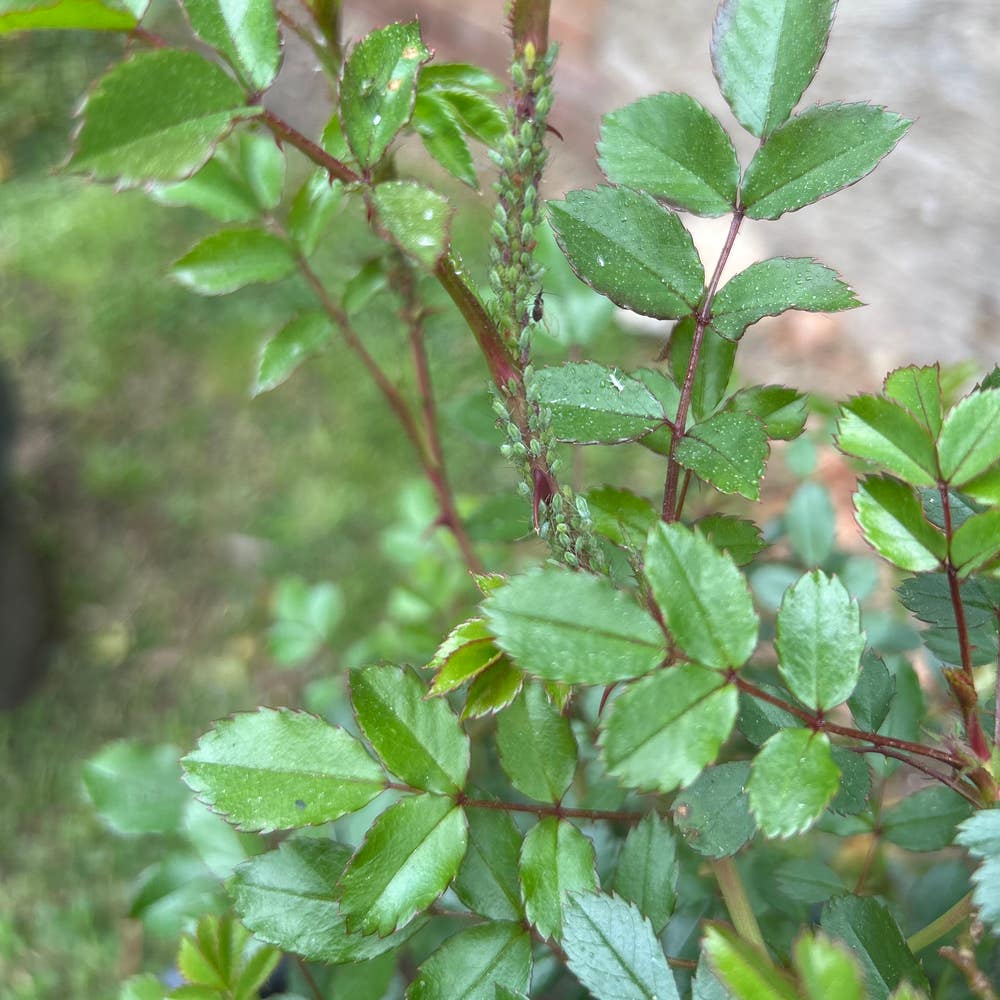
Common pests can wreak havoc on your rose's health. Aphids are notorious for curling leaves and leaving a sticky residue, which weakens the plant and leads to leaf drop.
Spider mites are another concern. They create fine webbing and cause stippled leaves, reducing photosynthesis and contributing to leaf loss.
🛠️ Control Methods
To combat these pests, consider using insecticidal soap or neem oil. These treatments can effectively manage pest populations and help your rose thrive.
🥦 Nutrient Deficiencies
Nutrient deficiencies can also cause leaf drop. Nitrogen is essential for leaf growth; a deficiency leads to yellowing and eventual drop.
Iron is another key nutrient. Its deficiency causes chlorosis, which can also result in leaf loss. Testing your soil for nutrient levels is crucial to identify these deficiencies.
🦠 Diseases and Fungal Infections
Diseases like black spot can severely affect your rambling rose. Symptoms include dark spots on leaves, yellowing, and eventual drop. Treatment involves using fungicides and improving air circulation.
Powdery mildew is another common issue. It appears as a white powdery coating on leaves and can be treated with fungicides and proper spacing for airflow.
Understanding these causes of leaf drop is essential for maintaining the health of your rambling rose. By addressing environmental stress, pests, nutrient deficiencies, and diseases, you can help your plant flourish and enjoy its beauty for years to come.
Next, we’ll explore how to diagnose leaf drop issues effectively.
Diagnosing Leaf Drop Issues
Identifying Symptoms 🌿
Leaf drop can often be traced back to visible symptoms on your rambling rose. Yellowing leaves typically indicate a nutrient deficiency or overwatering, while browning edges suggest underwatering or sunburn.
Wilting leaves are a clear sign of water stress, and spots or lesions can point to disease or pest issues. Observing these changes closely can help you pinpoint the problem early.
Assessing Environmental Conditions 🌞
Next, assess the environmental conditions affecting your rose. Start by checking soil moisture levels; using a moisture meter or your finger can provide insights into whether your plant is getting enough water.
Also, evaluate the light exposure. Ensure your rambling rose receives at least six hours of direct sunlight daily for optimal health.
Checking for Pests 🐞
A visual inspection is crucial for identifying pests. Look closely at the leaves and stems for any signs of infestation.
Additionally, consider using sticky traps to monitor pest populations. This proactive approach can help you catch any issues before they escalate.
By diagnosing these symptoms and conditions, you can take the necessary steps to restore your rambling rose to its vibrant self. Next, let’s explore effective treatments for these leaf drop problems.
Treating Leaf Drop Problems
🐛 Treatment for Pests
Dealing with pests is crucial for maintaining the health of your rambling rose. Start with insecticidal soap, applying it every 7-14 days until you notice a decline in pest activity.
Neem oil is another effective option. Spray it on affected areas in the evening to minimize leaf burn and maximize absorption.
🌱 Remedies for Nutrient Deficiencies
Nutrient deficiencies can lead to significant leaf drop. Use a balanced fertilizer, like NPK 10-10-10, during the growing season to ensure your plant gets the nutrients it needs.
For iron deficiencies, consider foliar sprays with iron chelate. This targeted approach can quickly address yellowing leaves.
🍄 Managing Fungal Infections
Fungal infections can wreak havoc on your roses. Apply fungicides at the first sign of disease to prevent further damage.
Additionally, improve air circulation by spacing your plants adequately. This simple step can help reduce humidity around the leaves, making it harder for fungi to thrive.
✂️ Pruning Techniques to Encourage Growth
Pruning is essential for promoting healthy growth. Start by removing any dead or diseased wood, which can sap energy from your plant.
Thinning out crowded areas will also improve airflow. This not only helps prevent diseases but encourages new growth, making your rambling rose more vibrant.
By addressing pests, nutrient deficiencies, fungal infections, and employing effective pruning techniques, you can significantly improve the health of your rambling rose. Next, let’s explore how to monitor and maintain your plant for ongoing success.
Monitoring and Maintenance
Regular Inspection of Leaves 🌿
Regular inspections are crucial for maintaining the health of your rambling rose. Aim to check your plants weekly for any signs of pests or diseases.
Documenting your observations can be incredibly helpful. Keep a log of any changes in leaf health to track patterns and identify issues early.
Seasonal Adjustments in Care 🍂
As the seasons change, so should your care routine. Adjust your watering and fertilization practices to align with the specific needs of your rose during different times of the year.
Be particularly vigilant for pests during warmer months. Increased temperatures can lead to a surge in pest activity, so monitoring becomes even more essential.
Record Keeping for Plant Health 📊
Tracking your plant's health is more than just a good habit; it's vital for long-term success. Document your watering schedules, fertilization, and any pest treatments you apply.
Consider using gardening apps like Greg for reminders and tracking. These tools can simplify your gardening tasks and help you stay organized, ensuring your rambling rose thrives.
By staying proactive in monitoring and maintenance, you can significantly reduce the chances of leaf drop and keep your rose healthy and vibrant. Next, let’s explore effective treatment options for any issues you may encounter.
⚠️ Safety First
This content is for general information and may contain errors, omissions, or outdated details. It is not medical, veterinary advice, or an endorsement of therapeutic claims.
Always consult a qualified healthcare professional before using any plant as food, medicine, or supplement.
Never eat any plant (or feed one to pets) without confirming its identity with at least two trusted sources.
If you suspect poisoning, call Poison Control (800) 222-1222, the Pet Poison Helpline (800) 213-6680, or your local emergency service immediately.
Spotted an error? Please report it here.
Revive your rambling rose and prevent leaf drop 🌿 with Greg's personalized care reminders and pest management tips that ensure your blooms flourish!