🌼 Why Your Red Rose Has Yellow Leaves
Rosa spp.
By the Greg Editorial Team
Nov 23, 2024•7 min read
This article was created with the help of AI so we can cover more plants for you. May contain errors. See one? Report it here.
- 🌱 Yellow leaves indicate issues like nutrient deficiencies, pests, or watering problems.
- 💧 Overwatering or underwatering can both cause yellowing; maintain a consistent watering schedule.
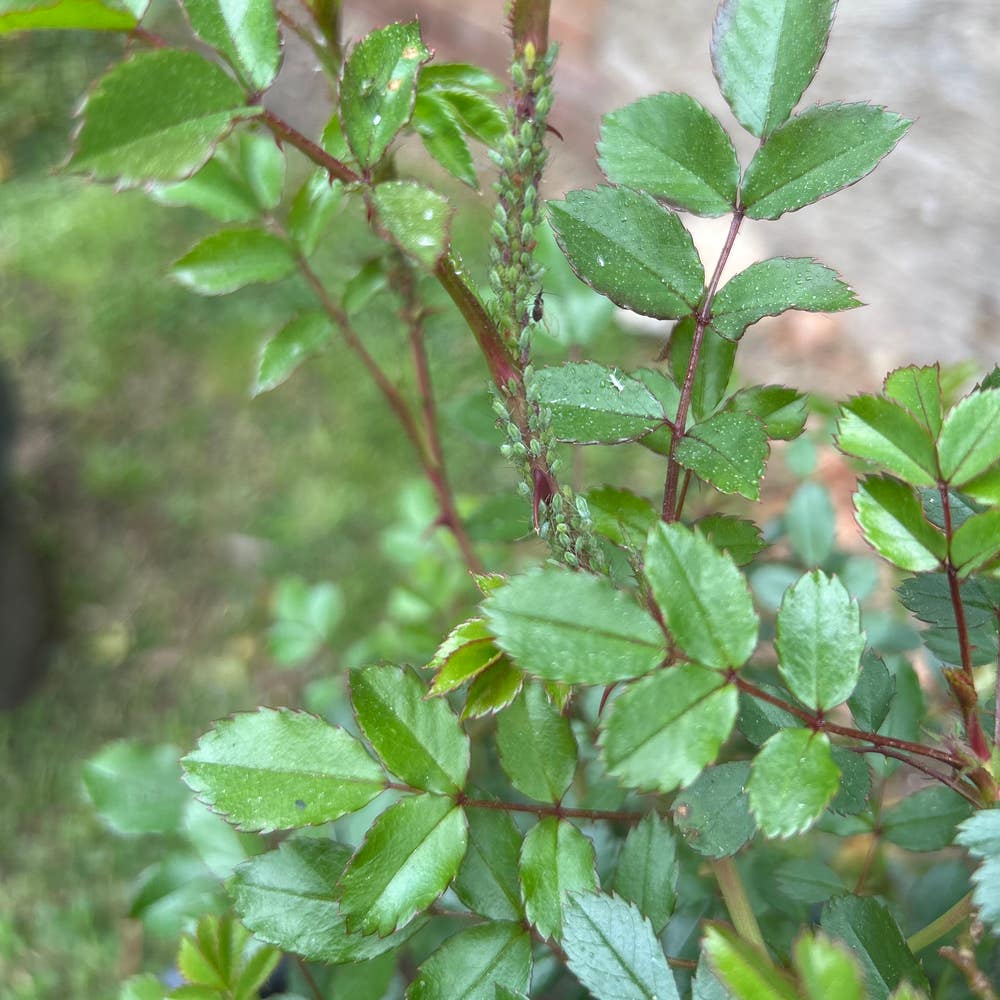
- 🐛 Monitor for pests like aphids; early detection prevents further damage to roses.
Causes of Yellow Leaves
🌱 Nutrient Deficiencies
Nitrogen Deficiency
Nitrogen deficiency is a common issue that manifests as pale green to yellow leaves, particularly starting from the older leaves. This nutrient is crucial for leaf growth and overall plant vigor, making it essential for a thriving rose.
To combat nitrogen deficiency, consider using a balanced fertilizer that contains adequate nitrogen content. This simple adjustment can significantly improve your rose's health.
Iron Chlorosis
Iron chlorosis presents itself as yellowing between the leaf veins, while the veins themselves remain green. This condition often arises from high soil pH levels (above 6.8), which inhibit iron absorption.
To address iron chlorosis, you can apply chelated iron or adjust the soil pH. Both methods can help restore the vibrant green color of your rose leaves.
💧 Watering Issues
Overwatering Effects
Overwatering can lead to yellow leaves, wilting, and even root rot. Proper drainage is vital, as roses thrive in well-draining soil to prevent waterlogging.
To remedy overwatering, allow the soil to dry out between waterings and check your drainage system. This will help ensure your roses receive the right amount of moisture.
Underwatering Effects
On the flip side, underwatering results in yellowing leaves with dry and crispy edges. Consistent moisture is key, especially during dry conditions, to keep your roses healthy.
To prevent underwatering, establish a consistent watering schedule and consider using mulch to retain moisture. These practices will help maintain the necessary hydration for your plants.
🐞 Pests and Diseases
Common Pests Affecting Roses
Aphids and spider mites are two common pests that can wreak havoc on your roses. Aphids are small, green insects that cause leaf curling and yellowing, while spider mites lead to stippled leaves and webbing.
To control these pests, introduce beneficial insects or use insecticidal soap. These methods can effectively manage pest populations without harming your plants.
Fungal Infections and Their Impact
Fungal infections, such as powdery mildew and black spot, can also cause yellowing leaves and overall decline in plant health. Symptoms include yellowing leaves and unsightly spots.
To combat these infections, apply fungicides and improve air circulation around your plants. Taking these steps can help keep your roses healthy and vibrant.
In summary, understanding the causes of yellow leaves in your roses is crucial for effective care. By addressing nutrient deficiencies, watering issues, and pest problems, you can ensure your roses thrive. Next, let’s explore how to diagnose yellow leaves effectively.
Diagnosing Yellow Leaves
👀 Visual Symptoms to Look For
When diagnosing yellow leaves on your red rose, start by examining the color changes. Look for patterns of yellowing; is it affecting the entire leaf or just between the veins?
Next, assess the leaf texture. Are the leaves wilting, curling, or showing spots? These visual cues can provide critical insights into the underlying issues affecting your plant.
💧 How to Assess Soil Moisture
Soil moisture is crucial for your rose's health. Use a moisture meter for precise readings or perform the finger test by inserting your finger 1-2 inches into the soil.
Ideally, the soil should feel moist but not soggy. This balance is essential to prevent both overwatering and underwatering, which can lead to yellow leaves.
🐛 Identifying Pest Infestations
Pests can wreak havoc on your roses, so it's important to keep an eye out for signs of infestation. Look for visible insects, webbing, or sticky residue on the leaves, which can indicate a problem.
Regular monitoring is key, especially during the growing season. Make it a habit to check your plants weekly to catch any issues early and keep your roses thriving.
In the next section, we'll explore effective treatment options to restore your rose's health and vibrancy.
Treatment Options
🌱 Fertilization Methods
Organic vs. Synthetic Fertilizers
When it comes to fertilizing your roses, you have two main choices: organic and synthetic fertilizers. Organic options like compost, well-rotted manure, and specialized organic rose fertilizers enrich the soil naturally, promoting long-term health.
On the other hand, synthetic fertilizers provide quick results with balanced NPK (nitrogen, phosphorus, potassium) ratios. They can be effective for immediate nutrient needs but may not improve soil quality over time.
Recommended Fertilizers for Roses
For the best results, look for fertilizers specifically labeled for roses that contain both nitrogen and iron. These nutrients are crucial for vibrant foliage and robust blooms, ensuring your roses thrive throughout the growing season.
💧 Watering Adjustments
How to Properly Water Roses
Proper watering is essential for healthy roses. Start by watering deeply to encourage strong root growth.
Aim to water once a week, increasing frequency during hot weather. Early morning is the best time to water, as it reduces evaporation and allows plants to absorb moisture effectively.
Signs of Overwatering and Underwatering
Be vigilant about your watering habits. Overwatering can lead to yellow leaves, mushy roots, and wilting, while underwatering results in yellowing leaves, dry soil, and drooping stems.
Recognizing these signs early can help you adjust your watering routine and keep your roses flourishing.
🐞 Pest Control Strategies
Natural Pest Control Methods
To combat pests naturally, consider introducing beneficial insects like ladybugs and lacewings, which are effective against aphids. Additionally, homemade sprays using neem oil or insecticidal soap can provide a safe and effective solution.
These methods not only protect your roses but also promote a balanced ecosystem in your garden.
Chemical Treatments for Severe Infestations
In cases of severe pest problems, systemic insecticides may be necessary. Always follow label instructions for safety and effectiveness to ensure you’re protecting both your plants and the environment.
By combining natural and chemical methods, you can effectively manage pest infestations while maintaining the health of your roses.
With these treatment options in hand, you can take proactive steps to nurture your roses back to health. Next, let’s explore preventive measures to keep your plants thriving year-round.
Preventive Measures
🌹 Best Practices for Rose Care
Taking proactive steps in rose care can significantly reduce the risk of yellow leaves. By focusing on soil health, pest monitoring, and seasonal care, you can keep your roses vibrant and thriving.
🌱 Soil Preparation and Amendments
Start with soil testing to check pH and nutrient levels before planting. This foundational step ensures your roses have the right environment to flourish.
- Amendments: If your soil lacks nutrients, consider adding compost or sulfur to enhance its quality. These amendments improve drainage and provide essential nutrients for your roses.
🐞 Regular Monitoring for Pests and Diseases
Regular inspections are crucial for maintaining healthy roses. Aim for weekly checks during the growing season to catch any issues early.
- Early intervention: Addressing problems promptly can prevent them from escalating into more significant challenges. A little vigilance goes a long way in rose care.
🌼 Seasonal Care Tips
🌸 Spring Care for Healthy Growth
Spring is the perfect time to give your roses a boost. As new growth begins, it's essential to fertilize and prune effectively.
- Fertilization: Apply a balanced fertilizer to provide the nutrients your roses need for robust growth.
- Pruning: Remove any dead or diseased wood to promote airflow and reduce the risk of disease.
🍂 Fall Preparations to Prevent Yellowing
As the growing season winds down, preparing your roses for winter is vital. Proper fall care can set the stage for a healthy spring.
- Mulching: Apply mulch around the base of your roses to protect roots and retain moisture during colder months.
- Winterizing: Cut back any dead growth and cover your plants with protective materials to shield them from harsh winter conditions.
By implementing these preventive measures, you can cultivate a thriving rose garden that resists yellowing leaves and other common issues. Next, let’s explore the treatment options available for addressing yellow leaves when they do occur.
⚠️ Safety First
This content is for general information and may contain errors, omissions, or outdated details. It is not medical, veterinary advice, or an endorsement of therapeutic claims.
Always consult a qualified healthcare professional before using any plant as food, medicine, or supplement.
Never eat any plant (or feed one to pets) without confirming its identity with at least two trusted sources.
If you suspect poisoning, call Poison Control (800) 222-1222, the Pet Poison Helpline (800) 213-6680, or your local emergency service immediately.
Spotted an error? Please report it here.
Revive your red roses and combat yellow leaves with Greg's tailored care tips and watering reminders, ensuring they flourish beautifully all season long! 🌹