Why Are My Pōhutukawa Leaves Turning Yellow?
Metrosideros excelsa
By the Greg Editorial Team
Jun 19, 2024•4 min read
This article was created with the help of AI so we can cover more plants for you. May contain errors. See one? Report it here.
Solve the mystery of your Pōhutukawa's yellow leaves 🍂 and bring back its lush green splendor!
- 🍂 Normal aging or distress signal? Yellow leaves can mean both.
- 💧 Watering issues? Adjust routine to prevent yellowing.
- 🌱 Nutrient, pest, or disease problems? Soil tests and regular check-ups help.
Spotting the Signs: Yellowing Leaves on Pōhutukawa
🍂 Identifying Yellow Leaves
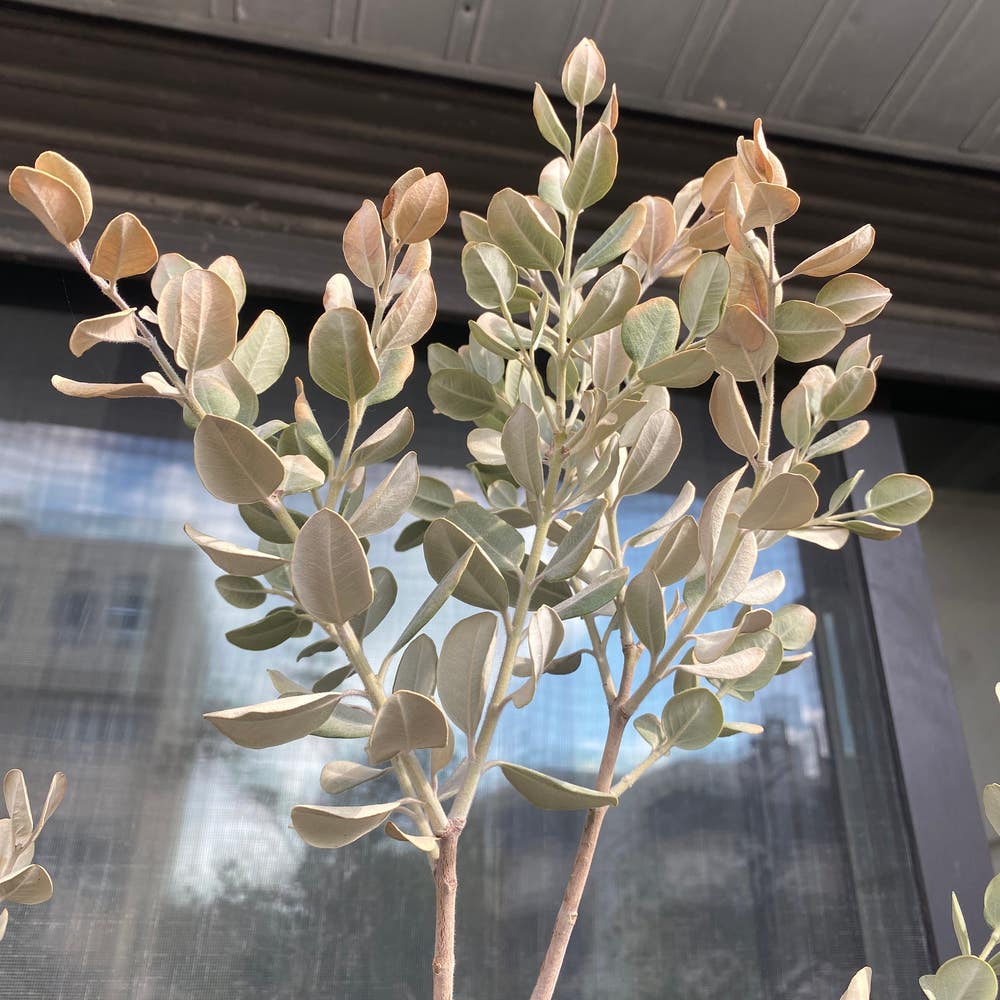
Yellowing leaves on a Pōhutukawa can be a normal part of the plant's life cycle or a distress signal. It's crucial to differentiate between the two. Aged leaves will naturally turn yellow and fall off, akin to a tree shedding its autumn coat. However, if the yellowing is widespread or affects new growth, it's time to investigate further.
🎯 Patterns of Yellowing
Patterns in leaf yellowing often point to specific issues. Uniform yellowing across a Pōhutukawa may signal a nutrient deficiency, while yellow spots could indicate pests or diseases. If the yellowing starts at the tips or follows the leaf veins, it's a red flag for potential shortages in specific nutrients. Regular monitoring can help you spot these patterns early, before they become a full-blown botanical crisis.

Rooting Out the Causes
💧 Water Woes
Overzealous watering can drown your Pōhutukawa's roots, while a stingy water routine leaves them gasping. Yellow leaves often wave the flag of distress for these water missteps. Overwatering symptoms include limp, swollen leaves and waterlogged soil, hinting at a suffocated root system. On the flip side, underwatering leaves your tree's foliage dry, crispy, and begging for a drink. Check the soil's top layer; if it's Sahara-dry or swampy-wet, it's time to recalibrate your watering rhythm.
🍽️ Nutrient Know-How
Yellow leaves can be the silent scream of nutrient deficiency. Nitrogen is often the missing piece of the puzzle, leaving leaves pale and wan. But don't go throwing fertilizer at the problem without a game plan. Soil tests are your best friend here, giving you the lowdown on what's lacking. Once you've pinpointed the deficiency, a slow-release fertilizer can be the comeback kid for your tree's verdant vibe.
🐜 Pest and Disease Patrol
Pests and diseases are the party crashers no one invited. These unwelcome guests can turn leaves yellow as they munch away or spread their germy joy. Insecticidal soaps can serve as the bouncer, showing pests the door. Diseases, on the other hand, require a bit of detective work. Avoid the drama of overhead watering, which can set the stage for fungal infections. Instead, focus on creating a stress-free environment with well-draining soil and proper nutrition to bolster your tree's defenses.

Turning Over a New Leaf: Treatment Strategies
💧 Balancing the Watering Act
Proper watering is crucial for Pōhutukawa health. Overwatering can suffocate roots, leading to yellow leaves, while underwatering stresses the tree. Adjust your watering routine to the season: less in winter, more in summer, but always aim for moist, not soggy, soil. Prune away any yellow or damaged leaves to conserve the tree's energy for healthy growth.
🍽️ Feeding Your Pōhutukawa Right
Nutrient deficiencies can cause yellowing. Test your soil to identify what's missing. A balanced fertilizer can replenish nutrients, but remember, less is more—over-fertilizing can harm more than help. Apply fertilizers to moist soil to avoid root burn and follow up with adequate watering to integrate nutrients into the soil.
🐜 Pest and Disease Defense
Pests and diseases can turn leaves yellow. Inspect regularly for signs of infestation and act promptly. Organic treatments, like a baking soda and soap mixture, can address minor issues. For more severe cases, copper-based fungicides or all-purpose fungicides may be necessary. Always follow label instructions to the letter and consider the environmental impact before using chemical treatments.
Prevention: The Best Cure
🌳 Regular Tree Check-Ups
Monitoring your Pōhutukawa is like being a tree detective; you're on the lookout for the slightest hint of yellowing. Schedule regular inspections, marking your calendar as a reminder. During each check-up, scrutinize the leaves for early signs of distress. If you notice a pattern of yellowing, take note—it could be the tree signaling an SOS.
🌿 Creating a Stress-Free Zone
To keep your Pōhutukawa thriving, think of its environment as a sanctuary. Ensure it's planted in well-draining soil to prevent the dreaded root rot. Rotate the tree periodically if potted, to promote even growth and prevent lopsidedness. Adjust care with the seasons—less water in the cooler months, and perhaps more shade during the scorching summer heat. And don't forget to feed it with a native plant fertilizer, especially if it's been a while since its last meal.
⚠️ Safety First
This content is for general information and may contain errors, omissions, or outdated details. It is not medical, veterinary advice, or an endorsement of therapeutic claims.
Always consult a qualified healthcare professional before using any plant as food, medicine, or supplement.
Never eat any plant (or feed one to pets) without confirming its identity with at least two trusted sources.
If you suspect poisoning, call Poison Control (800) 222-1222, the Pet Poison Helpline (800) 213-6680, or your local emergency service immediately.
Spotted an error? Please report it here.
Banish the guesswork in caring for your Pōhutukawa as Greg helps you diagnose 🕵️♂️ and address yellow leaves with tailored watering and care reminders!