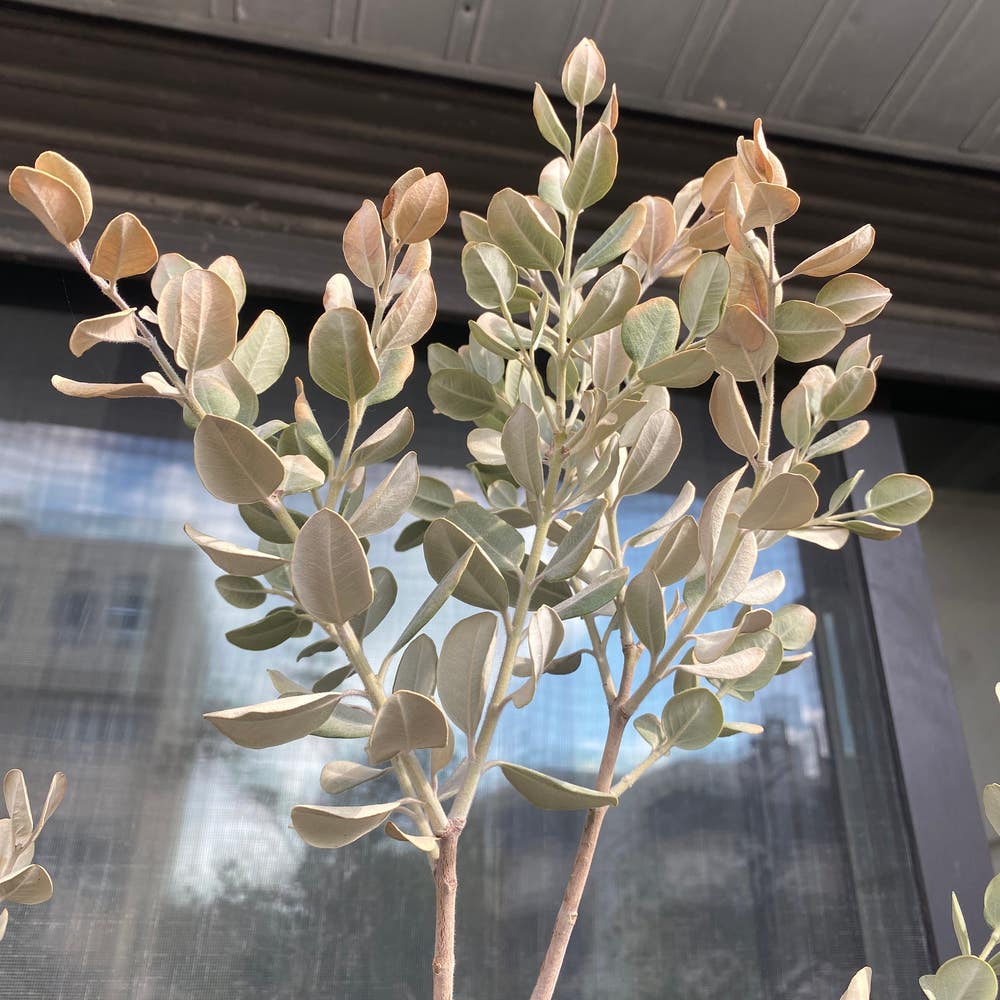
🌺 3 Factors Influencing Pohutukawa Size
Metrosideros excelsa
By the Greg Editorial Team
Sep 29, 2024•4 min read
This article was created with the help of AI so we can cover more plants for you. May contain errors. See one? Report it here.
Discover how the majestic Pohutukawa tree can elevate your garden's beauty and biodiversity! 🌳
- 🌳 Pohutukawa trees can reach 25 meters tall, thriving in optimal conditions.
- 🌞 Full sunlight and nutrient-rich soil are crucial for faster growth rates.
- ✂️ Pruning helps manage size, encouraging bushier growth and controlling height.
Mature Height and Spread
Typical Dimensions 🌳
The Pohutukawa tree can reach impressive heights of up to 25 meters (82 feet) and spread out to about 15 meters (49 feet). These dimensions make it a striking presence in any landscape.
Growth Habits 🌿
This tree boasts a broad canopy with a dense structure, providing ample shade and habitat for wildlife. Its vibrant red flowers not only add beauty but also attract pollinators, influencing its growth patterns.
Size Variability 📏
Several factors contribute to the variability in size among Pohutukawa trees. Environmental conditions, such as soil quality and climate, play a significant role, alongside genetic factors that determine individual growth potential.
Understanding these aspects can help you appreciate the majestic nature of the Pohutukawa and its adaptability to different environments. Next, let's explore the growth rate of this remarkable tree.
Growth Rate
Average Growth Rate 🌱
The growth rate of Pohutukawa trees can vary significantly based on their environment. In optimal conditions, these trees can grow rapidly, reaching up to 1 meter (3 feet) per year.
Factors Affecting Growth Rate 🌍
Several factors influence how quickly a Pohutukawa grows.
- Soil Quality and Type: Nutrient-rich, well-draining soil promotes faster growth.
- Water Availability and Drainage: Consistent moisture without waterlogging is crucial.
- Sunlight Exposure and Climate Conditions: Full sun and a favorable climate enhance growth potential.
Understanding these factors can help you create the best conditions for your Pohutukawa to thrive. By optimizing soil, water, and light, you can witness the impressive growth of this iconic tree.
As we explore the time it takes for Pohutukawa to reach full size, we'll uncover how these growth rates translate into maturity.
Time to Reach Full Size
🌱 Growth Timeline
Pohutukawa trees typically take about 10 to 20 years to reach their full height in ideal conditions. However, this timeline can vary significantly based on environmental factors, especially when comparing coastal and inland growth.
⏳ Factors Influencing Growth Duration
Several key factors influence how quickly a Pohutukawa reaches its full size.
- Soil Fertility: Rich, nutrient-dense soil promotes faster growth.
- Water Availability: Consistent moisture is crucial; drought can slow development.
- Seasonal Growth Patterns: Seasonal changes affect growth rates, with warmer months generally encouraging more rapid development.
Understanding these factors can help you create the best conditions for your Pohutukawa to thrive. With the right care, you can enjoy the majestic beauty of this iconic tree in your landscape sooner than you might expect.
Next, let’s explore the various varieties of Pohutukawa, including some unique dwarf and giant options.
Varieties
🌱 Dwarf Varieties
Dwarf pohutukawa varieties are a delightful option for those with limited space. Typically reaching heights of just 1-2 meters (3-6 feet), they fit perfectly in smaller gardens or even containers.
These compact trees still boast the iconic vibrant red flowers, making them a charming addition to patios or balconies. Their manageable size allows for easy maintenance while still providing that stunning visual appeal.
🌳 Giant Varieties
On the other end of the spectrum, giant pohutukawa varieties can exceed typical dimensions, making them ideal for larger landscapes. These majestic trees can tower impressively, offering a dramatic focal point in any garden.
Some notable giant varieties include the 'New Zealand Christmas Tree,' known for its robust growth and stunning floral displays. Their unique traits often include thicker trunks and broader canopies, providing ample shade and a habitat for local wildlife.
In summary, whether you're looking for a petite beauty or a towering giant, pohutukawa varieties cater to diverse gardening needs. Each type brings its own charm and benefits, ensuring there's a perfect fit for every outdoor space.
Next, we’ll explore how to control the size of these magnificent trees through effective pruning techniques.
Controlling Size
🌳 Pruning Techniques for Size Management
Pruning is essential for managing the size of your Pohutukawa. It encourages bushier growth and helps control height, ensuring your tree fits well within its environment.
Selective pruning of branches is the recommended technique. This method allows you to shape the tree while promoting healthy growth.
⏰ Timing and Methods for Effective Pruning
The best time to prune your Pohutukawa is late winter to early spring. This timing helps the tree recover quickly and thrive during the growing season.
For effective pruning, use clean, sharp pruning shears. This ensures a clean cut, reducing the risk of disease and promoting faster healing.
📏 Other Methods to Control Growth
Container planting is another effective method to limit the size of your Pohutukawa. By restricting root growth, you can keep the tree smaller and more manageable.
Additionally, consider using growth regulators. These chemical options can help control size, allowing for more precise management of your tree's growth.
With these techniques, you can enjoy the beauty of your Pohutukawa while keeping it within desired dimensions. Next, let’s explore the various varieties available and how they differ in size and characteristics.
⚠️ Safety First
This content is for general information and may contain errors, omissions, or outdated details. It is not medical, veterinary advice, or an endorsement of therapeutic claims.
Always consult a qualified healthcare professional before using any plant as food, medicine, or supplement.
Never eat any plant (or feed one to pets) without confirming its identity with at least two trusted sources.
If you suspect poisoning, call Poison Control (800) 222-1222, the Pet Poison Helpline (800) 213-6680, or your local emergency service immediately.
Spotted an error? Please report it here.
Unlock the full potential of your Pohutukawa trees 🌱 with Greg's tailored care reminders, ensuring they thrive beautifully in your garden!