🌳 Pohutukawa: A Common Weed
Metrosideros excelsa
By the Greg Editorial Team
Sep 29, 2024•7 min read
This article was created with the help of AI so we can cover more plants for you. May contain errors. See one? Report it here.
Uncover how Pohutukawa's rapid spread threatens native ecosystems and learn to combat its invasiveness! 🌍🌱
- 🌱 Pohutukawa is a weed, rapidly spreading and disrupting native ecosystems.
- 🐦 Its invasive nature threatens biodiversity, displacing native species and altering habitats.
- 🔍 Effective control methods include manual removal, herbicides, and biological strategies for management.
Plant Classification
Definition of Weeds and Invasive Species 🌱
Weeds are unwanted plants that aggressively invade cultivated areas, disrupting growth and productivity. Invasive species, on the other hand, are non-native plants that spread rapidly, often causing significant ecological harm.
Criteria for Classifying Pohutukawa as a Weed 🌿
Pohutukawa is classified as a weed due to its rapid spread, producing a large number of seeds that can easily take root. Its competitive nature allows it to outcompete native flora for essential resources like sunlight, water, and nutrients.
Ecological Impact 🌍
The ecological impact of Pohutukawa is profound; it alters habitats and reduces biodiversity. This disruption can lead to a decline in native species, significantly affecting the overall health of the ecosystem.
Comparison with Other Invasive Species 🔍
When compared to other invasive plants like Japanese knotweed and purple loosestrife, Pohutukawa shares similarities in its aggressive growth patterns. However, it differs in growth habits and the specific ecological effects it has on its environment.
Understanding these classifications is crucial for effective management and control of Pohutukawa. With this knowledge, we can better appreciate the challenges posed by this invasive species and take steps toward mitigating its impact.
Identification
Key Identifying Features 🌳
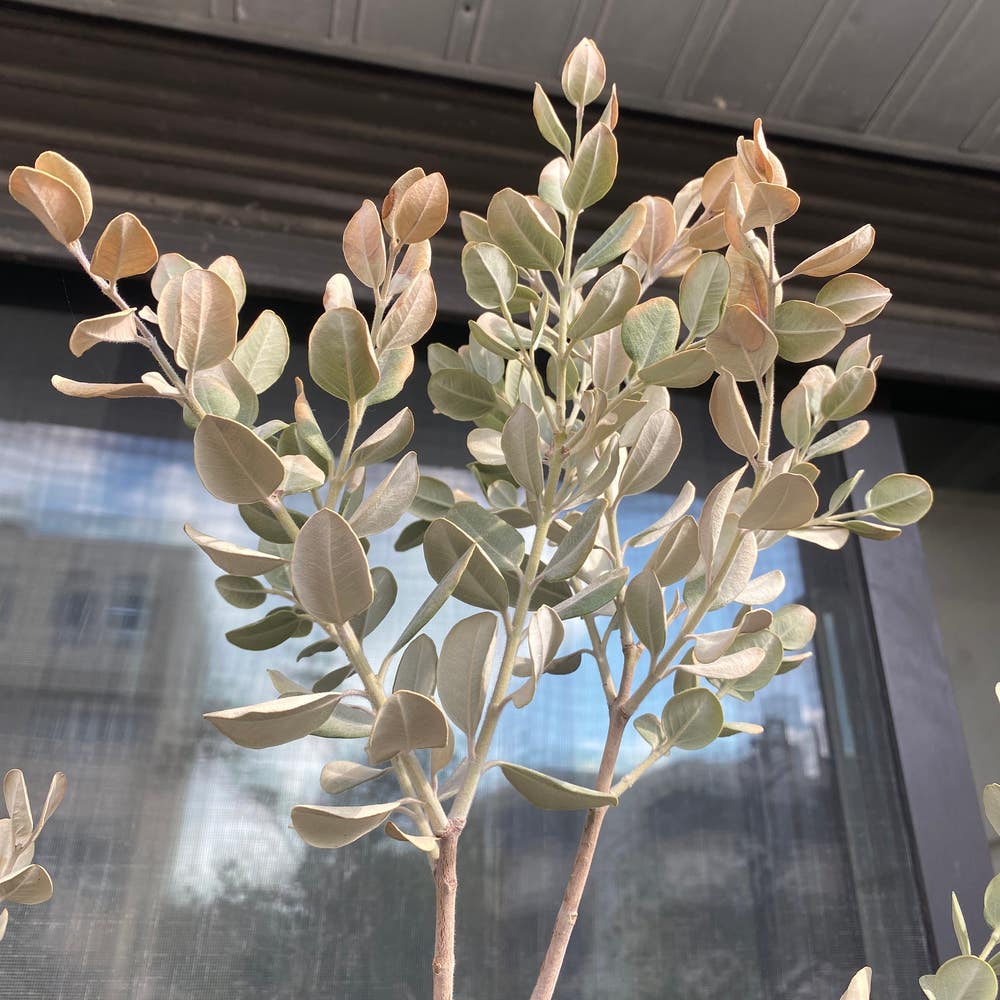
Pohutukawa can reach impressive heights of up to 25 meters (82 feet). Its leaves are dark green, leathery, and elongated, measuring between 4 to 10 cm long.
The standout feature of this tree is its bright red, fluffy blooms that typically appear in December. These vibrant flowers are not just eye-catching; they play a significant role in attracting pollinators.
Look-Alike Plants and Distinguishing Characteristics 👀
When identifying Pohutukawa, it's essential to compare it with native species like Metrosideros excelsa. While they may seem similar at first glance, there are key differences to note.
Pohutukawa's leaf shape is distinct, and its flower color sets it apart from many native plants. Additionally, its growth habit tends to be more robust, making it easier to identify in the wild.
Understanding these characteristics can help you recognize Pohutukawa and appreciate its unique role in the ecosystem.
As we delve deeper into its growth habits and spread, you'll see how these identifying features contribute to its invasive nature.
Growth Habits and Spread
Typical Growth Patterns 🌱
Pohutukawa is known for its rapid growth, often exceeding 1 meter (3 feet) per year. This impressive growth rate allows it to quickly dominate its surroundings.
Its lifespan is equally remarkable, with some individuals living for over 100 years. This longevity contributes to its persistent presence in various ecosystems.
Reproductive Strategies and Methods of Spread 🌼
One of the key factors in Pohutukawa's invasiveness is its prolific seed production. It generates a high volume of seeds that are easily dispersed by wind and water.
In addition to seeds, Pohutukawa can reproduce vegetatively through root suckering and layering. This dual strategy enhances its ability to spread rapidly across landscapes.
Environmental Conditions Favoring Success 🌊
Pohutukawa thrives in coastal areas, particularly in sandy soils and disturbed habitats. These environments provide the ideal conditions for its aggressive growth.
Its tolerance to salt and drought further boosts its invasive potential. This adaptability allows it to flourish where many native plants struggle, making it a formidable competitor.
As we explore the ecological impact of Pohutukawa, it's essential to understand how its growth habits contribute to its status as a common weed.
Ecological Impact
Effects on Native Plant Communities 🌱
Pohutukawa aggressively outcompetes native species for essential resources like sunlight, water, and nutrients. This competition leads to biodiversity loss, fundamentally altering the dynamics of local ecosystems.
Impact on Wildlife and Biodiversity 🦜
The spread of Pohutukawa displaces native fauna that depend on indigenous flora for survival. Changes in habitat structure can disrupt nesting sites and feeding patterns, further threatening local wildlife.
Influence on Soil and Water Resources 💧
Pohutukawa alters soil composition and disrupts nutrient cycling, which can have cascading effects on the ecosystem. Additionally, its presence may negatively impact water quality and availability, stressing already vulnerable resources.
Understanding these ecological impacts is crucial for effective management and control of Pohutukawa. By recognizing its threats, we can take informed steps to protect our native ecosystems.
Control and Management
👐 Manual Removal Techniques
Hand-pulling is a straightforward method for tackling small infestations of Pohutukawa. This technique is easy and can be quite effective if done regularly.
For larger infestations, digging out the roots is essential. This moderate difficulty method ensures complete removal, preventing regrowth.
🧪 Chemical Control Options and Best Practices
Herbicides can be a powerful tool in managing Pohutukawa. Timing and application methods are crucial for effectiveness, so follow the manufacturer's guidelines closely.
Always prioritize safety precautions when using chemicals. Consider environmental impacts to minimize harm to surrounding ecosystems.
🦠 Biological Control Methods and Their Effectiveness
Exploring biological control methods can offer sustainable solutions. Utilizing natural predators or pathogens may help keep Pohutukawa populations in check.
Current research is promising, with several case studies showcasing the effectiveness of these methods. Staying informed about advancements in biological control can enhance management strategies.
🚫 Preventive Measures to Limit Spread
Regular monitoring is key to preventing the spread of Pohutukawa. Early detection strategies can make a significant difference in managing infestations.
Community involvement plays a vital role in reporting and managing these invasive plants. Engaging local groups fosters a collective effort in maintaining healthy ecosystems.
⏱️ Importance of Early Detection and Rapid Response
Swift action is essential in preventing the establishment and spread of Pohutukawa. The sooner you act, the better the chances of controlling its impact.
Case studies highlight successful rapid response efforts, demonstrating that timely intervention can lead to significant ecological benefits. Staying proactive is the best defense against this invasive species.
Legal Status
📜 Laws and Regulations
Understanding the legal landscape surrounding Pohutukawa is crucial for effective management. Local and national regulations often classify it as an invasive species, leading to specific restrictions on its cultivation, sale, and transport.
These laws aim to mitigate the ecological damage caused by Pohutukawa and similar invasive plants. Compliance with these regulations is essential for protecting native ecosystems.
🛠️ Requirements for Removal or Control
Landowners and managers play a vital role in controlling Pohutukawa populations. Guidelines typically recommend manual removal methods, such as hand-pulling or digging out roots, to prevent regrowth.
Resources are available to assist in compliance, including local environmental agencies and community programs. Engaging with these resources can provide valuable support in managing invasive species effectively.
By staying informed and proactive, we can help safeguard our native flora and fauna from the threats posed by Pohutukawa. This commitment to action not only benefits the environment but also fosters a sense of community responsibility.
Potential Benefits or Uses
Historical Uses 🌿
Pohutukawa has deep roots in Maori culture, where it was valued for its strong timber and medicinal properties. The wood was traditionally used for constructing canoes and tools, showcasing its significance in early New Zealand life.
Current Beneficial Uses 🌼
Today, the applications of Pohutukawa are limited but noteworthy. It can be used in landscaping for its striking appearance and is sometimes employed for erosion control along coastal areas.
Emphasis on Negative Impacts ⚠️
Despite these uses, the ecological harm caused by Pohutukawa's invasive nature far outweighs any potential benefits. Its aggressive growth disrupts native ecosystems, leading to biodiversity loss and altered habitats, making it crucial to prioritize management over utilization.
In summary, while Pohutukawa has historical and limited modern uses, its negative impacts on the environment are a pressing concern that cannot be overlooked. As we move forward, understanding these dynamics is essential for effective management strategies.
⚠️ Safety First
This content is for general information and may contain errors, omissions, or outdated details. It is not medical, veterinary advice, or an endorsement of therapeutic claims.
Always consult a qualified healthcare professional before using any plant as food, medicine, or supplement.
Never eat any plant (or feed one to pets) without confirming its identity with at least two trusted sources.
If you suspect poisoning, call Poison Control (800) 222-1222, the Pet Poison Helpline (800) 213-6680, or your local emergency service immediately.
Spotted an error? Please report it here.
Protect native ecosystems from the invasive Pohutukawa by using Greg's plant identification tools and tailored management tips to ensure a thriving environment for local flora and fauna! 🌿