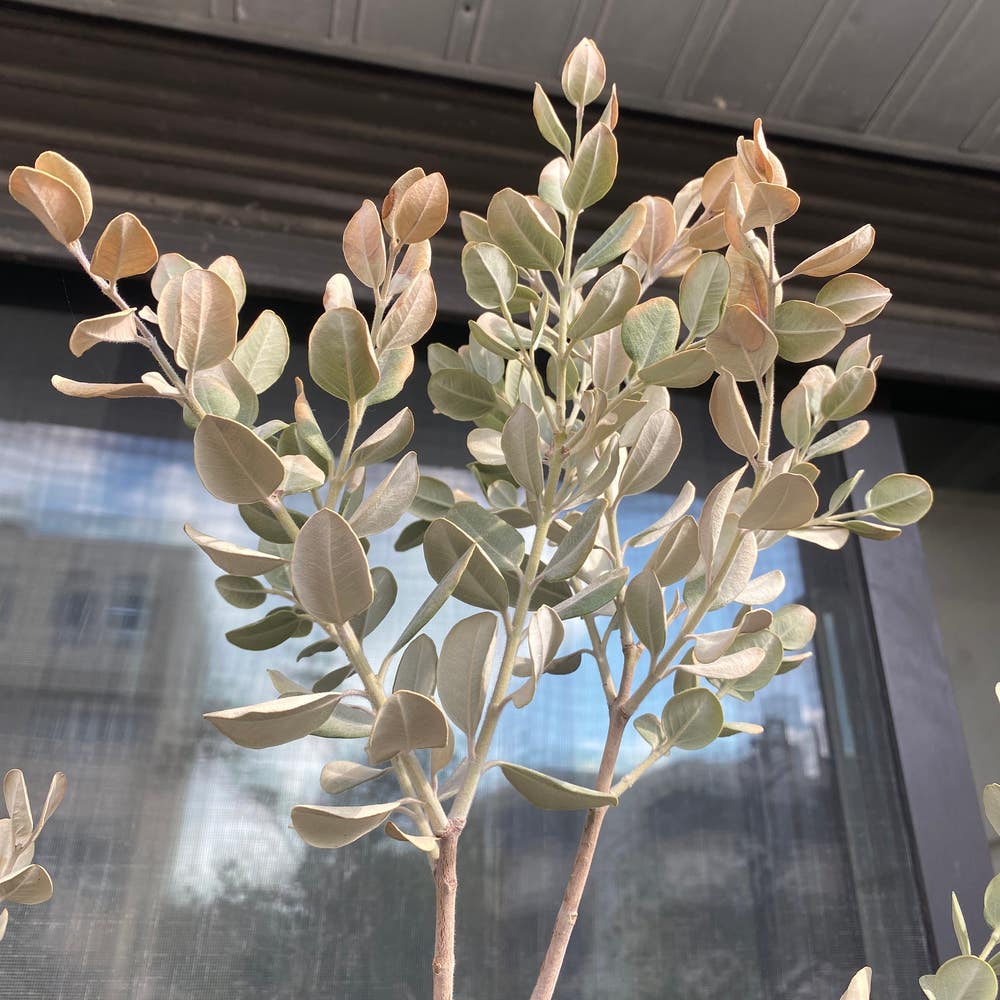
🎄 New Zealand Christmas Tree Hardiness Zones: 9a-11b
Metrosideros excelsa
By the Greg Editorial Team
Nov 08, 2024•5 min read
This article was created with the help of AI so we can cover more plants for you. May contain errors. See one? Report it here.
Unlock the secret to thriving New Zealand Christmas Trees by mastering their temperature needs! 🌲🌞
- 🌳 New Zealand Christmas Trees thrive in USDA zones 9a to 11b, ideal for warmer climates.
- ❄️ Frost sensitivity during early growth makes careful planting crucial for success.
- 🌞 Optimal growth occurs between 50°F and 85°F, ensuring vibrant, healthy trees.
Temperature Tolerance
❄️ Cold Tolerance Specifics
New Zealand Christmas Trees can withstand temperatures as low as 20°F (-6°C). However, they are particularly sensitive to frost during their early growth stages, making young foliage vulnerable to damage.
☀️ Heat Tolerance Specifics
On the flip side, these trees thrive in warmer climates, with a tolerance range that extends up to 100°F (38°C). This heat tolerance is crucial for their growth in regions that experience high temperatures.
🌡️ Ideal Temperature Ranges for Growth
For optimal growth, New Zealand Christmas Trees flourish best in temperatures ranging from 50°F to 85°F (10°C to 29°C). It's important to note that temperature extremes, whether too hot or too cold, can significantly impact their overall health and growth potential.
Understanding these temperature tolerances helps gardeners and landscapers choose the right conditions for planting and nurturing these beautiful trees. With the right environment, you can ensure a thriving New Zealand Christmas Tree that adds charm to your landscape.
Next, we will explore the ideal growing regions in the U.S. for these trees, focusing on specific states that fall within the suitable hardiness zones.
Ideal Growing Regions in the US
🌍 Examples of States in Zones 9a-11b
The New Zealand Christmas Tree thrives in specific regions across the United States, particularly in warmer climates. Here’s a quick look at the states where you can find ideal growing conditions:
- California (Zone 9b): With its diverse climate, California offers the perfect environment for these trees.
- Florida (Zone 10a-11b): The warm, humid conditions are ideal for growth throughout the year.
- Texas (Zone 9a-10b): Texas provides a mix of warmth and space, making it suitable for these trees.
- Hawaii (Zone 11a-11b): The tropical climate ensures a lush, vibrant growth for the New Zealand Christmas Tree.
🌱 Factors Contributing to Ideal Growing Conditions
Several factors play a crucial role in creating the perfect environment for the New Zealand Christmas Tree.
Mild Winters and Warm Summers: These trees flourish in regions where winters are not too harsh and summers are warm, allowing for steady growth.
Well-Drained Soils: Soil quality is vital. Well-drained soils prevent waterlogging, which can harm the roots and overall health of the tree.
Understanding these factors can help you choose the right location for planting and nurturing your New Zealand Christmas Tree. With the right conditions, you can enjoy a thriving tree that adds beauty to your landscape.
As we explore further, let’s delve into how microclimates can influence the growing potential of these trees.
Microclimates and Their Impact
🌱 How Microclimates Can Extend Growing Zones
Microclimates are localized areas where the climate differs from the surrounding region. These unique conditions can create favorable environments for growing plants, including the New Zealand Christmas Tree, outside their typical hardiness zones.
Several factors contribute to the formation of microclimates:
- Elevation: Higher altitudes often experience cooler temperatures, which can protect plants from extreme heat.
- Proximity to Water: Bodies of water can moderate temperatures, providing a buffer against both cold and heat.
- Urban Heat Islands: Cities tend to retain heat, creating warmer conditions that can extend the growing season for certain plants.
🌊 Examples of Microclimates Affecting New Zealand Christmas Tree Growth
Coastal areas are prime examples of microclimates that benefit the New Zealand Christmas Tree. The moderated temperatures near the coast can shield these trees from extreme cold, allowing them to thrive.
Urban environments also play a significant role. The heat retained by buildings and pavement can create warmer conditions, potentially extending the growing season. This means that even in areas that might typically be too cold, the right microclimate can support the growth of these beautiful trees.
Understanding microclimates can be a game-changer for gardeners and landscapers. By recognizing these unique conditions, you can make informed decisions about where to plant your New Zealand Christmas Trees, ensuring they flourish in your specific environment.
As we explore the ideal growing regions in the US, keep in mind how these microclimates can influence plant health and growth potential.
State-Level Suitability Analysis
🌲 List of Suitable States for New Zealand Christmas Tree
The New Zealand Christmas Tree flourishes in specific regions of the United States, particularly within USDA hardiness zones 9a to 11b. Here’s a detailed list of states where this vibrant tree can thrive:
- California
- Florida
- Texas
- Hawaii
These states offer the warm temperatures and favorable conditions necessary for the New Zealand Christmas Tree to grow successfully.
🚫 List of Non-Suitable States and Reasons for Unsuitability
Not all states provide the ideal environment for the New Zealand Christmas Tree. Here are some states that fall outside the suitable range:
- North Dakota (Zone 3)
- Minnesota (Zone 4)
- Maine (Zone 5)
The primary reasons for their unsuitability include extreme cold temperatures and prolonged frost periods, which can severely hinder the tree's growth.
⚠️ Discussion on Potential Challenges in Unsuitable States
Growing the New Zealand Christmas Tree in colder regions presents several challenges.
- Frost Damage: Young trees are particularly vulnerable to frost damage during their early growth stages.
- Cold Conditions: Prolonged cold can prevent the tree from thriving, leading to stunted growth or even death.
Selecting appropriate species for local climates is crucial. Understanding these challenges can help gardeners make informed decisions, ensuring successful growth and a flourishing landscape.
As we explore the next section, we’ll delve into how microclimates can influence growing conditions, potentially extending the range for this beautiful tree.
⚠️ Safety First
This content is for general information and may contain errors, omissions, or outdated details. It is not medical, veterinary advice, or an endorsement of therapeutic claims.
Always consult a qualified healthcare professional before using any plant as food, medicine, or supplement.
Never eat any plant (or feed one to pets) without confirming its identity with at least two trusted sources.
If you suspect poisoning, call Poison Control (800) 222-1222, the Pet Poison Helpline (800) 213-6680, or your local emergency service immediately.
Spotted an error? Please report it here.
Cultivate a thriving New Zealand Christmas Tree 🎄 by leveraging Greg's tailored care reminders and climate insights to create the perfect growing conditions in your garden!