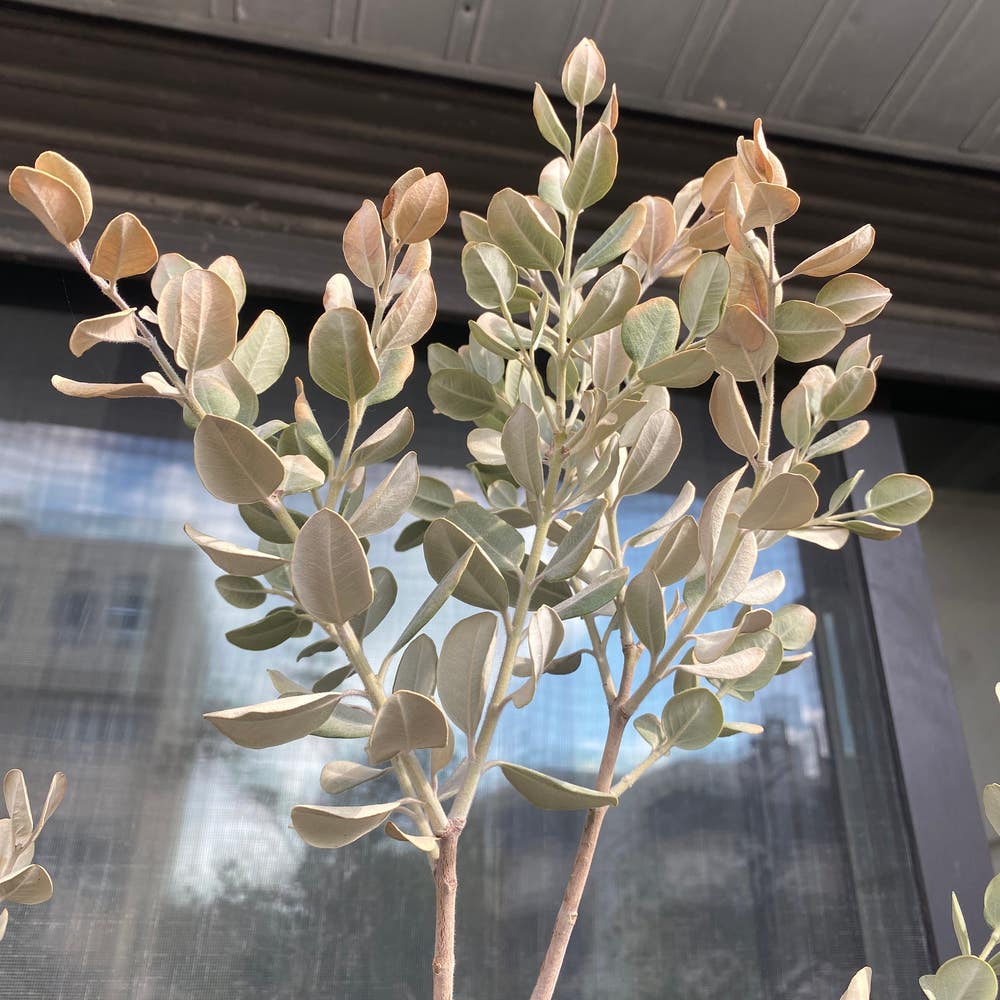
🎄 Why Your New Zealand Christmas Tree Leaves Are Falling Over
Metrosideros excelsa
By the Greg Editorial Team
Nov 08, 2024•5 min read
This article was created with the help of AI so we can cover more plants for you. May contain errors. See one? Report it here.
Transform your New Zealand Christmas tree's health 🌲 by mastering the causes of leaf drop and effective care strategies! 🌿
- 🌬️ Environmental stressors like wind and temperature changes cause leaf drop in Christmas trees.
- 💧 Watering balance is crucial; overwatering and underwatering both lead to leaf loss.
- 🐜 Pest infestations can weaken trees, causing yellowing leaves and premature drop.
Causes of Leaf Drop
🌪️ Environmental Stress Factors
Temperature fluctuations can wreak havoc on your New Zealand Christmas tree. Extreme heat or cold makes the tree sensitive, often leading to unsightly leaf drop.
Wind exposure is another culprit. Strong winds can physically damage leaves and branches, causing them to fall prematurely.
Sunlight requirements are crucial for your tree's health. Insufficient sunlight weakens the tree, resulting in wilting and eventual leaf drop.
💧 Soil Moisture Imbalance
Overwatering is a common mistake that can lead to root rot. Waterlogged soil suffocates roots, causing leaves to drop as the tree struggles to survive.
On the flip side, underwatering can also be detrimental. Dry soil conditions lead to wilting and leaf loss, making it essential to find a balance.
Maintaining ideal soil moisture levels is key. Aim for consistent moisture without saturation to keep your tree thriving.
🐛 Pest Infestation
Pests like aphids, scale insects, and spider mites can significantly impact leaf health. These common pests can cause stress, leading to leaf drop if not managed properly.
Symptoms of infestation include yellowing leaves, sticky residue, and visible pests on the foliage. Regular checks can help catch these issues early.
🦠 Disease and Fungal Issues
Common diseases such as root rot and leaf spot can lead to significant leaf drop. These conditions weaken the tree, making it more susceptible to stress.
Fungal infections are another concern. Identifying signs of fungal growth on leaves and stems is crucial for timely intervention and treatment.
Understanding these causes of leaf drop can empower you to take action. By addressing environmental stress, moisture levels, pests, and diseases, you can help your New Zealand Christmas tree thrive. Next, we’ll explore how to diagnose the problem effectively.
Diagnosing the Problem
Identifying Symptoms of Leaf Drop 🌿
When your New Zealand Christmas tree starts dropping leaves, it's crucial to identify the visual signs. Look for yellowing, wilting, or browning leaves, which can indicate stress or health issues.
Understanding the pattern of leaf drop is equally important. Sudden leaf loss might suggest a more acute problem, while gradual shedding could point to ongoing environmental stress.
Assessing Environmental Conditions 🌞
Next, evaluate the light exposure your tree receives. Adequate sunlight is vital for optimal growth, so ensure your tree is positioned to soak up those rays.
Don't overlook temperature and humidity levels either. Monitoring these conditions helps maintain an ideal environment for your tree's health.
Checking Soil Quality and Moisture 💧
Soil texture and drainage play a significant role in root health. Well-draining soil prevents waterlogging, which can lead to root rot and subsequent leaf drop.
To accurately assess moisture levels, consider soil moisture testing techniques. These methods will help you determine whether your tree is getting the right amount of water.
By diagnosing these issues, you can take proactive steps to restore your tree's health and vitality. Next, let’s explore preventive measures to keep your tree thriving.
Preventive Measures
Proper Watering Techniques 🌊
Maintaining optimal soil moisture is crucial for your New Zealand Christmas tree's health. Watering should be done consistently, allowing the top inch of soil to dry out between waterings.
To avoid common pitfalls, recognize the signs of overwatering and underwatering. Overwatered trees may exhibit yellowing leaves and root rot, while underwatered trees will show wilting and dry soil.
Soil Amendments and Fertilization 🌱
Fertilization plays a key role in providing essential nutrients for your tree. Use a balanced fertilizer that meets the specific nutrient needs of your tree, typically during the growing season.
In addition to fertilization, consider soil amendments to improve soil structure and drainage. This helps prevent moisture issues that can lead to root problems.
Pest Management Strategies 🐛
Regular inspections are vital for early detection of pests. Keep an eye out for common pests like aphids and spider mites, as catching them early can save your tree from significant damage.
For pest control, explore organic methods that are safe for your tree and the environment. Options like neem oil or insecticidal soap can effectively manage infestations without harsh chemicals.
Seasonal Care Adjustments 🌦️
Adjust your watering and fertilization schedules according to the seasons. During hotter months, your tree may require more frequent watering, while in cooler months, you can reduce the frequency.
Additionally, prepare your tree for extreme weather conditions. Protective measures, such as providing shade during heatwaves or securing branches before storms, can help your tree withstand harsh elements.
By implementing these preventive measures, you can significantly enhance the resilience of your New Zealand Christmas tree. This proactive approach not only promotes healthy growth but also prepares your tree to thrive through various environmental challenges.
Treatment Solutions
Immediate Actions for Wilting Leaves 🌿
When you notice your New Zealand Christmas tree's leaves wilting, quick fixes can make a significant difference. Start by adjusting your watering practices; ensure the soil is moist but not waterlogged.
Providing shade during the hottest parts of the day can also help alleviate stress on the tree. If the leaves are drooping, consider using rehydration techniques, such as misting the foliage or gently soaking the root zone to encourage recovery.
Long-term Care Strategies 🌱
Establishing a consistent care routine is crucial for the long-term health of your tree. Regular monitoring of soil moisture, light exposure, and overall tree health will help you catch issues before they escalate.
Building resilience in your tree involves nurturing it with the right nutrients and care practices. A healthy tree is better equipped to withstand environmental stresses and pest infestations.
Pruning and Maintenance Tips ✂️
Proper pruning techniques can encourage healthy growth and improve air circulation around the leaves. Focus on removing dead or damaged branches to promote new growth and prevent disease.
Timing is essential when it comes to pruning. Aim to prune during the tree's dormant season to minimize stress and allow for robust recovery in the growing season.
By implementing these treatment solutions, you can help your New Zealand Christmas tree thrive, ensuring it remains a vibrant part of your holiday celebrations. Next, let's explore how to diagnose the specific problems affecting your tree.
⚠️ Safety First
This content is for general information and may contain errors, omissions, or outdated details. It is not medical, veterinary advice, or an endorsement of therapeutic claims.
Always consult a qualified healthcare professional before using any plant as food, medicine, or supplement.
Never eat any plant (or feed one to pets) without confirming its identity with at least two trusted sources.
If you suspect poisoning, call Poison Control (800) 222-1222, the Pet Poison Helpline (800) 213-6680, or your local emergency service immediately.
Spotted an error? Please report it here.
Keep your New Zealand Christmas tree vibrant and healthy 🌲 by using Greg's personalized reminders to monitor soil moisture and light exposure, ensuring those leaves stay put!