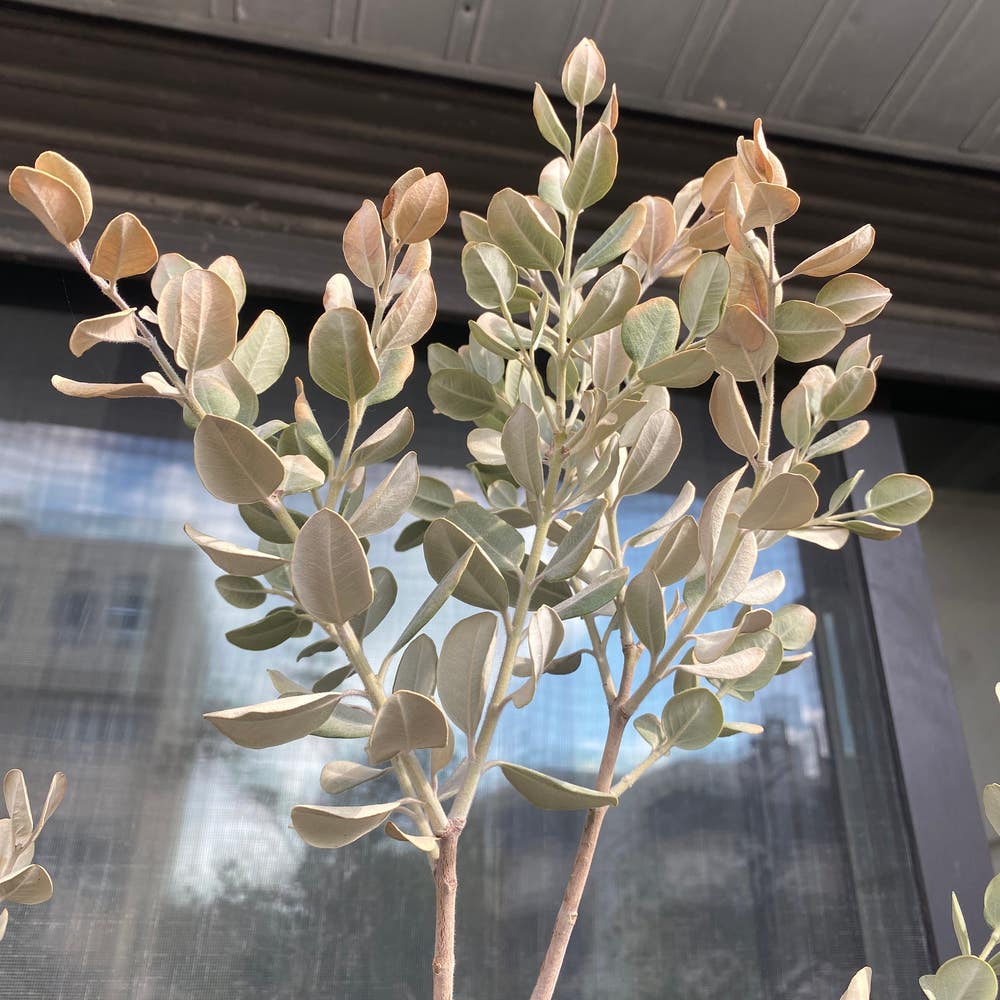
🎄 Why Your New Zealand Christmas Tree Has Yellow Leaves
Metrosideros excelsa
By the Greg Editorial Team
Nov 08, 2024•5 min read
This article was created with the help of AI so we can cover more plants for you. May contain errors. See one? Report it here.
Discover how to restore your New Zealand Christmas Tree's health by tackling yellowing leaves! 🌲✨
- 🌱 Yellow leaves indicate health issues; check for nutrient deficiencies and pests.
- 💧 Overwatering or underwatering can cause yellowing; maintain consistent soil moisture.
- 🐛 Inspect regularly for pests like aphids; early detection prevents damage.
Causes of Yellow Leaves
Yellow leaves on your New Zealand Christmas Tree can signal various underlying issues. Understanding these causes is crucial for restoring your tree's health.
🌱 Nutrient Deficiencies
Nitrogen Deficiency
Nitrogen deficiency is often the culprit behind yellowing leaves. You’ll notice older leaves turning yellow first, accompanied by stunted growth.
Nitrogen is vital for chlorophyll production, which keeps your plant vibrant and healthy. Without it, your tree struggles to thrive.
Iron Deficiency
Iron deficiency presents differently, with yellowing occurring between the leaf veins while the veins themselves remain green. This condition typically affects new growth.
Iron plays a critical role in photosynthesis and enzyme function. A lack of iron can hinder your tree's ability to produce energy effectively.
💧 Watering Issues
Overwatering Symptoms
Overwatering can lead to yellowing leaves, wilting, and even root rot.
New Zealand Christmas Trees thrive in well-drained soil; excess moisture can suffocate roots and cause yellowing.
Underwatering Symptoms
On the flip side, underwatering results in dry, crispy leaves and needle drop.
Consistent moisture is essential for maintaining healthy foliage, so keep an eye on your watering routine.
🐛 Pest Infestations
Common Pests
Pests like aphids and scale insects can wreak havoc on your Christmas Tree.
Aphids are small, green insects that suck sap from leaves, while scale insects are immobile pests that can cause yellowing and leaf drop.
Signs of Pest Damage
Look for yellowing leaves, sticky residue (honeydew), and visible pests on the foliage.
These signs indicate that your tree may need immediate attention to combat the infestation.
Understanding these causes will help you diagnose and treat your New Zealand Christmas Tree effectively. Next, we’ll explore how to assess the health of your tree and identify specific symptoms to look for.
Diagnosing Yellow Leaves
👀 Visual Symptoms to Look For
Identifying yellow leaves on your New Zealand Christmas tree starts with observing the color changes. Pay attention to whether the yellowing affects older leaves first or newer growth, as this can indicate specific nutrient deficiencies.
Next, examine the leaf texture. Look for signs of dryness, wilting, or any visible pests. These factors can help you pinpoint the underlying issue affecting your tree's health.
🩺 How to Assess Plant Health
To assess your plant's health, begin with a soil moisture test. You can use a moisture meter or simply insert your finger into the soil to check if it feels dry or overly wet.
Additionally, evaluate the overall vigor of your tree. Look for consistent growth patterns and any signs of stress or decline, such as stunted growth or excessive leaf drop. This holistic approach will guide you in determining the best course of action for your tree's care.
With a clear understanding of these diagnostic steps, you can effectively address the yellowing leaves and ensure your New Zealand Christmas tree thrives. Next, let's explore treatment options to restore its health.
Treatment Options
🌊 Adjusting Watering Practices
Overwatering can be detrimental to your New Zealand Christmas Tree. Allow the soil to dry out before rewatering, and ensure proper drainage to prevent root rot.
Underwatering is equally harmful. Increase your watering frequency to maintain consistent moisture without causing waterlogging.
🌱 Fertilization Methods
To combat nitrogen deficiency, apply nitrogen-rich fertilizers during the growing season. This will help restore your tree's vigor and promote healthy growth.
For iron deficiency, consider using chelated iron products. These supplements effectively boost iron levels, supporting essential processes like photosynthesis.
🐞 Pest Control Strategies
When dealing with pests, organic insecticides like neem oil or insecticidal soap can be highly effective against aphids and scale insects. These options are safer for your tree and the environment.
Manual removal is another strategy. Hand-picking pests or using a strong water spray can help dislodge them from your tree's foliage.
By implementing these treatment options, you can revitalize your New Zealand Christmas Tree and ensure it thrives. Next, let’s explore preventative measures to keep your tree healthy year-round.
Preventative Measures
Best Practices for Watering 🌊
Establishing a consistent watering schedule is crucial for your New Zealand Christmas Tree. Tailor this routine to seasonal needs and regularly check soil moisture levels to ensure your tree thrives.
Using moisture-retentive mulch can significantly help maintain consistent soil moisture. This simple addition not only conserves water but also regulates soil temperature, creating a healthier environment for your tree.
Soil Selection and Drainage 🏺
Choosing the right soil type is essential for your tree's health. Opt for a well-draining potting mix or amend your garden soil with sand or perlite to enhance drainage.
Ensure that your pots have adequate drainage holes. If planting in a garden, consider raised beds to improve drainage and prevent waterlogging, which can lead to yellow leaves.
Regular Monitoring for Pests 🐛
Regular inspections are key to catching pest infestations early. Aim to check your plants weekly for any signs of trouble, such as yellowing leaves or sticky residue.
Using sticky traps can be an effective way to monitor pest populations. These traps not only help you identify issues early but also provide a visual cue for managing pest control strategies effectively.
By implementing these preventative measures, you can help ensure your New Zealand Christmas Tree remains vibrant and healthy. Next, we’ll explore how to diagnose yellow leaves and assess your plant's overall health.
⚠️ Safety First
This content is for general information and may contain errors, omissions, or outdated details. It is not medical, veterinary advice, or an endorsement of therapeutic claims.
Always consult a qualified healthcare professional before using any plant as food, medicine, or supplement.
Never eat any plant (or feed one to pets) without confirming its identity with at least two trusted sources.
If you suspect poisoning, call Poison Control (800) 222-1222, the Pet Poison Helpline (800) 213-6680, or your local emergency service immediately.
Spotted an error? Please report it here.
Keep your New Zealand Christmas Tree thriving 🌲 by using Greg's tailored care tips and reminders to tackle yellow leaves caused by nutrient deficiencies, watering issues, and pests!