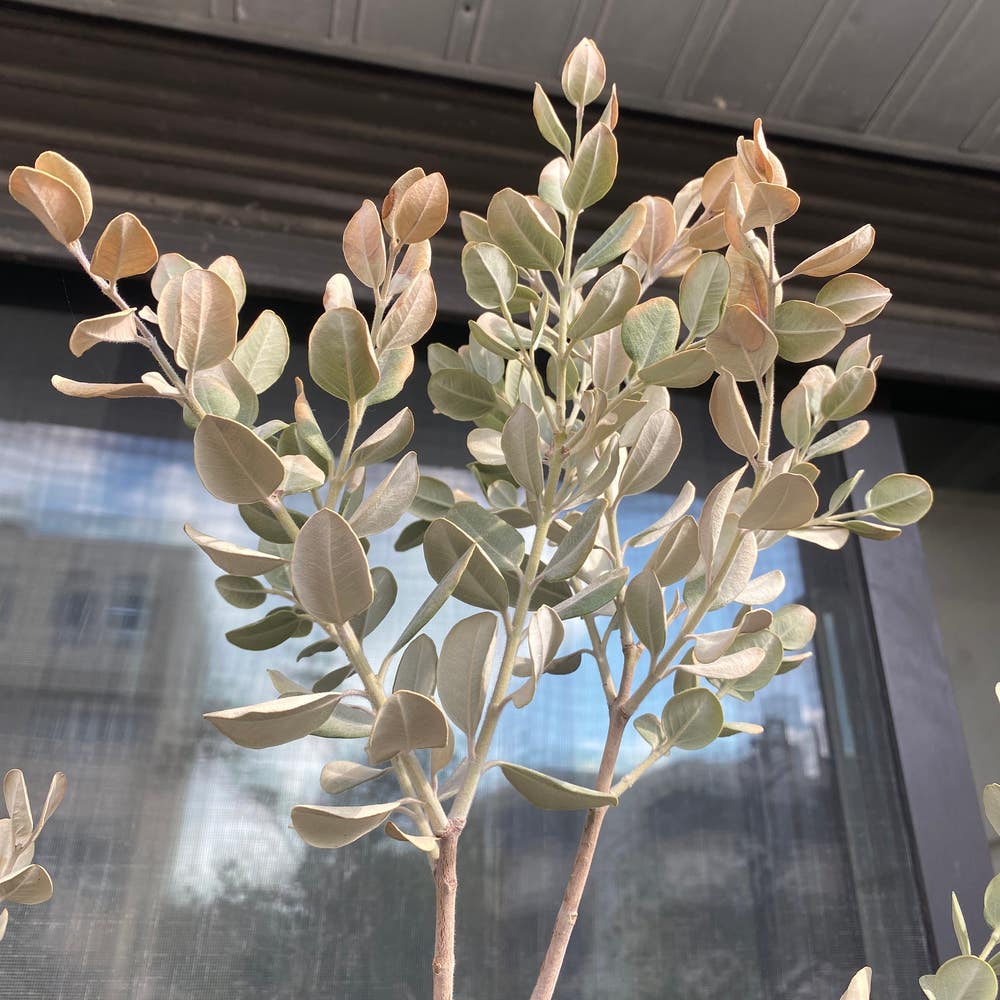
🎄 How to Fix Brown Spots on Your New Zealand Christmas Tree
Metrosideros excelsa
By the Greg Editorial Team
Nov 08, 2024•6 min read
This article was created with the help of AI so we can cover more plants for you. May contain errors. See one? Report it here.
Revive your New Zealand Christmas tree 🌲 by uncovering the secrets to treating brown spots effectively!
- 🌳 Brown spots arise from stress, pests, or nutrient deficiencies—identify the cause first.
- 💧 Adjust watering practices to prevent drought or overwatering, key to tree health.
- 🦠 Fungal infections and pests require prompt treatment—use fungicides and inspect regularly.
Causes of Brown Spots
🌵 Environmental Stress Factors
Drought conditions can wreak havoc on your New Zealand Christmas tree. Symptoms include wilting leaves and dry soil, which indicate reduced water availability, ultimately leading to leaf damage.
On the flip side, overwatering can be just as detrimental. Look for yellowing leaves and soggy soil, signs of root suffocation that increase the risk of root rot.
🥦 Nutrient Deficiencies
A nitrogen deficiency is another culprit behind brown spots. If you notice yellowing leaves with brown tips, this could signal poor growth and reduced vigor in your tree.
Potassium deficiency manifests as marginal browning on older leaves. This condition weakens the plant structure and makes it more susceptible to diseases.
🍄 Fungal Infections
Fungal infections are serious threats to your tree's health. Common pathogens like Phytophthora root rot present with brown spots on leaves and root decay, leading to severe damage and tree decline.
Leaf spot disease is another concern, characterized by dark brown or black spots on leaves. This condition affects photosynthesis and overall health, making it crucial to address promptly.
🐛 Pest Infestations
Pest infestations can also contribute to brown spots. Scale insects leave a sticky residue and cause yellowing leaves, weakening tree health and promoting fungal infections.
Aphids are equally problematic, causing curling leaves and leaving behind honeydew. These pests reduce vigor and can transmit diseases, making early detection vital for your tree's survival.
Understanding these causes is the first step in addressing brown spots effectively. Next, we'll explore how to diagnose these issues accurately.
Diagnosing Brown Spots
Identifying Symptoms 🌿
When diagnosing brown spots on your New Zealand Christmas tree, start by examining color variations. Brown spots often signal a potential fungal infection or environmental stress, while yellowing leaves may indicate nutrient deficiencies or pest damage.
Next, consider the texture and location of the spots. Smooth spots might suggest a different issue than rough ones, and the position of the spots—whether on upper or lower leaves—can help you pinpoint the cause.
Differentiating Between Causes 🔍
To effectively differentiate between causes, focus on whether the problem is fungal or environmental. Fungal infections typically present with distinct patterns and textures, while environmental stress tends to show more uniform browning or yellowing across the leaves.
Understanding these differences is crucial for effective treatment. By identifying the symptoms accurately, you can take the right steps to restore your tree's health and vitality.
With a clear diagnosis in hand, you're ready to explore treatment options that can help your tree thrive again.
Treatment Options
When it comes to fixing brown spots on your New Zealand Christmas tree, effective treatment options are essential. These methods focus on addressing watering issues, nutrient deficiencies, fungal infections, and pest infestations.
💧 Watering Adjustments
Drainage Improvements
To prevent root rot, enhancing soil drainage is crucial. Adding organic matter, like compost, can significantly improve soil structure, allowing excess water to flow away from the roots.
Moisture Level Management
Monitoring soil moisture is key to healthy tree growth. Water based on moisture readings, and consider using a moisture meter for precise measurements.
🌱 Nutrient Supplementation
Fertilizers
Using balanced NPK fertilizers or specific nutrient blends can help restore vitality. Always follow package instructions for dosage and timing to avoid over-fertilization.
Soil Amendments
Incorporating organic matter, such as compost or well-rotted manure, enriches the soil. Aim to apply these amendments during the growing season for optimal results.
🍄 Fungal Treatments
Fungicides
Fungicides can be divided into chemical and organic options. Copper-based fungicides are popular; just be sure to follow label instructions for application frequency and dosage.
Organic Options
Neem oil is a fantastic organic treatment for various fungal infections. Spray it on affected areas during cooler parts of the day to maximize effectiveness.
🐞 Pest Control Methods
Insecticidal Soap
For pest control, insecticidal soap is a reliable choice. Apply it directly on pests and reapply every 7-14 days until you see improvement.
Neem Oil
Neem oil serves a dual purpose as both a pesticide and fungicide. Dilute it and spray on affected areas as needed for comprehensive protection.
By implementing these treatment options, you can effectively combat brown spots and promote the overall health of your New Zealand Christmas tree. Next, let’s explore preventive measures to keep your tree thriving year-round.
Preventive Measures
Proper Watering Techniques 🌊
Watering your New Zealand Christmas tree correctly is crucial for its health. Aim to water deeply but infrequently, which encourages strong, deep root growth.
Timing matters too; early morning watering reduces evaporation and minimizes the risk of fungal growth. This simple adjustment can make a significant difference in your tree's resilience.
Soil Health Management 🌱
Maintaining optimal soil health is another key preventive measure. Regularly monitor your soil's pH, aiming for a range of 6.0 to 7.0 to ensure effective nutrient uptake.
Use soil test kits to check pH levels and adjust as necessary. Additionally, incorporating organic matter, like compost, improves soil structure and moisture retention, making it a vital part of your annual care routine.
Regular Inspections for Pests and Diseases 🔍
Regular inspections can catch problems before they escalate. Schedule monthly checks during the growing season, focusing on the undersides of leaves and new growth where pests often hide.
This proactive approach helps you identify any issues early, allowing for timely intervention and treatment.
Seasonal Care Tips ❄️☀️
Adapting your care routine to the seasons is essential for your tree's health. In winter, protect young trees by mulching and wrapping them to prevent frost damage.
During the summer, ensure your tree receives adequate watering, especially during dry spells. This attention to seasonal needs will help your tree thrive year-round.
By implementing these preventive measures, you can significantly reduce the risk of brown spots and promote a healthy, vibrant New Zealand Christmas tree. Next, let's explore how to monitor and maintain your tree effectively.
Monitoring and Maintenance
Regular Leaf Inspections 🍃
To keep your New Zealand Christmas tree healthy, conduct bi-weekly leaf inspections during the growing season. Focus on spotting new brown spots or any changes in leaf color, as these can indicate underlying issues.
Adjusting Care Based on Seasonal Changes 🌦️
As the seasons shift, so should your care routine. In spring, increase watering and fertilization to support growth, while in fall, reduce watering and prepare your tree for winter dormancy.
Record-Keeping for Treatment Effectiveness 📚
Documentation is key to successful tree care. Keep a log of symptoms, treatments applied, and results observed to refine your care practices over time and ensure your tree thrives.
By staying vigilant and adapting your care routine, you can effectively monitor your tree's health and respond to any emerging issues. This proactive approach will help maintain the beauty and vitality of your New Zealand Christmas tree throughout the year.
⚠️ Safety First
This content is for general information and may contain errors, omissions, or outdated details. It is not medical, veterinary advice, or an endorsement of therapeutic claims.
Always consult a qualified healthcare professional before using any plant as food, medicine, or supplement.
Never eat any plant (or feed one to pets) without confirming its identity with at least two trusted sources.
If you suspect poisoning, call Poison Control (800) 222-1222, the Pet Poison Helpline (800) 213-6680, or your local emergency service immediately.
Spotted an error? Please report it here.
Keep your New Zealand Christmas tree thriving 🌲 by using Greg's tailored care reminders to master watering, nutrients, and pest control for a vibrant, healthy tree!