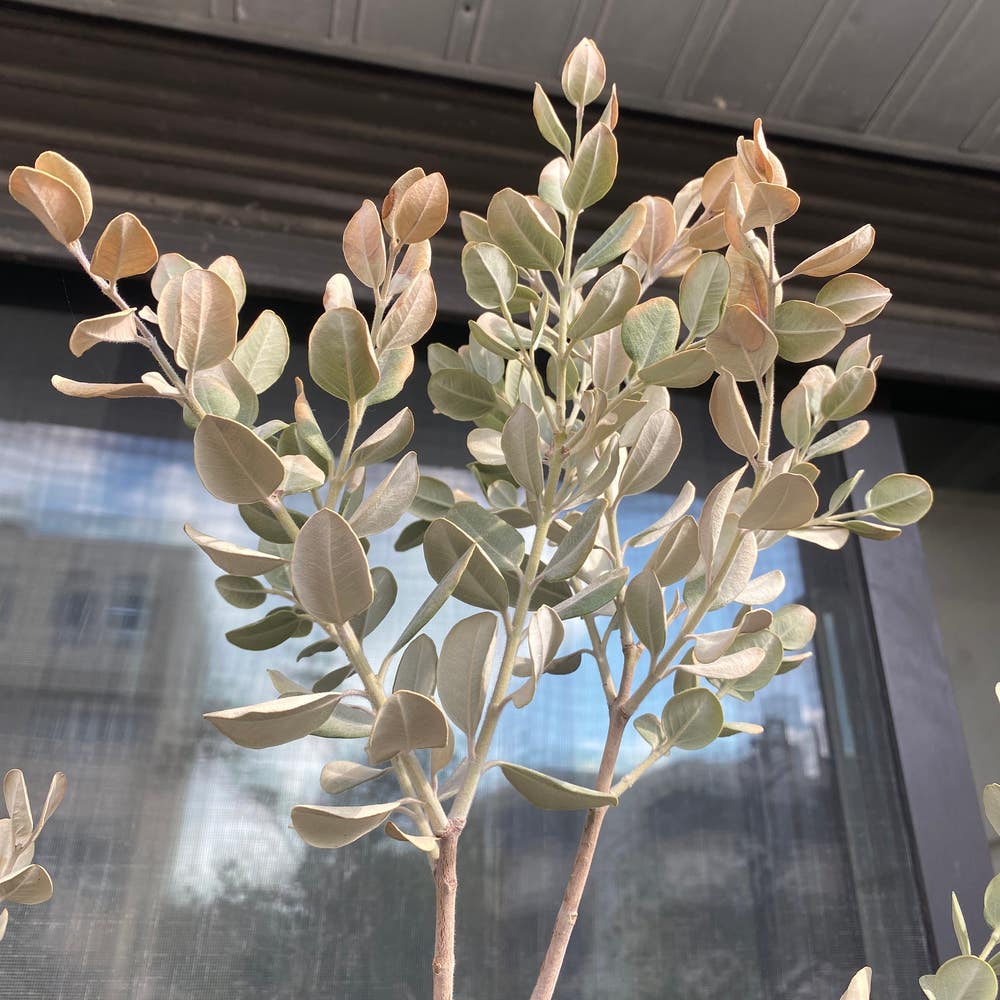
Why Are My Pōhutukawa Leaves Curling?
Metrosideros excelsa
By the Greg Editorial Team
Jun 19, 2024•4 min read
This article was created with the help of AI so we can cover more plants for you. May contain errors. See one? Report it here.
Unravel the mystery of curling Pōhutukawa leaves and revive your tree's splendor! 🌿🔍
- 🌡️ Heat stress causes leaf curl; use shade cloth and misting for relief.
- 💦 Proper watering and mulching prevent drought and waterlogging effects.
- 🌱 Pests and fungi? Control with gentle methods and ensure good air circulation.
When the Weather Gets Tough
🌞 The Heat is On: High Temperatures and Leaf Curl
Pōhutukawa leaves aren't fans of the scorching sun. They curl up to conserve moisture, much like we squint in bright light. Leaf wilting and scorched edges are the tree's cry for help.
To combat heat stress, shade cloth can be a tree's best friend on brutal summer days. Regular misting cools leaves, like a spritz of water on your face at the beach. Remember, a little afternoon shade won't hurt, especially when the sun's relentless.
💧 Too Much or Too Little: Water Stress and Its Effects
Drought turns Pōhutukawa leaves into crispy critters, while waterlogging makes them limp and lifeless. Signs of drought include leaves that are dry and brittle, whereas waterlogged roots lead to yellowing leaves.
For optimal watering, think of your Pōhutukawa like a picky drinker. Deep watering encourages roots to grow down, seeking moisture and stability. Mulching is like a top-notch bartender—it keeps the soil's moisture just right. But beware of overwatering; it's the equivalent of a bad hangover for roots. Adjust your watering schedule to the tree's performance, not the calendar.
Uninvited Guests: Pests and Their Telltale Signs
🐛 Common Culprits: Identifying Pests Behind the Curl
Aphids, scale insects, and caterpillars are notorious for causing Pōhutukawa leaves to curl. Aphids are small, sap-sucking insects that can cause leaves to curl and stunt growth. They often leave behind a sticky residue known as honeydew. Scale insects appear as small bumps on leaves and stems, excreting honeydew as well, which can lead to sooty mold. Caterpillars, the larvae of butterflies and moths, chew on leaves, leading to visible holes and potential curling.
🚪 Show Them the Door: Effective Pest Control Strategies
To evict these pests, start with a gentle approach: a strong jet of water can dislodge aphids and wash away honeydew. Insecticidal soap is a safe option that can effectively target soft-bodied pests without harming the tree. For scale insects, horticultural oil can suffocate them, disrupting their lifecycle. If you're dealing with caterpillars, manual removal might be necessary. Neem oil serves as both a pesticide and a deterrent for future infestations. Regular inspections are crucial; catching pests early can prevent them from becoming a full-blown infestation. Remember, not every curled leaf is a pest problem, so inspect carefully before treatment.
Fending Off Fungal Foes
🍄 Spotting Trouble: Recognizing Fungal Infections
Pōhutukawa trees, like any other living entity, can fall victim to fungal infections. Pseudomonas syringae and Myrtle Rust are two common adversaries. The former manifests as dark, water-soaked spots on leaves, often with a halo. Myrtle Rust, on the other hand, is more flamboyant with its yellow and orange spores that erupt on the foliage. These infections are more than cosmetic; they threaten the tree's vitality.
🛡️ Keeping Fungi at Bay: Treatment and Prevention
Prevention is your first line of defense. Ensure good air circulation and practice cleanliness—remove infected leaves promptly to halt the spread. When it comes to treatment, fungicides are your chemical sidekicks. Use them judiciously; overuse is a recipe for resistance. Rotate your fungicidal arsenal and follow the label's instructions to the letter. Remember, a healthy Pōhutukawa is less susceptible to fungal drama, so keep it well-nourished and stress-free.
Feeding Your Pōhutukawa Right
🍃 Signs of Starvation: Nutrient Deficiencies and Leaf Curl
Yellowing leaves with green veins? Classic sign of magnesium deficiency. Iron shortages show up as pale leaves with tiny, green veins. Both can lead to that dreaded leaf curl in your Pōhutukawa.
🥦 A Balanced Diet: Correcting Nutrient Imbalances
Soil testing is your best friend here. It's like a health check-up for your tree's underground world. Find out what's lacking and hit back with a targeted fertilization plan.
Fertilizer isn't just plant food; it's a lifeline. Go for a slow-release type, something like The Plant Company's Native Fertiliser, to keep your Pōhutukawa fed for months.
For an immediate boost, consider foliar feeding with a liquid fertilizer. It's like an energy drink for your tree's leaves when they start to look a bit peaky.
Remember, balance is key. Overdoing it can lead to fertilizer burn – think of it as a nutrient overdose. Keep an eye on your tree's response and adjust as needed. It's a bit like tuning a guitar; you're aiming for that sweet harmony of health.
⚠️ Safety First
This content is for general information and may contain errors, omissions, or outdated details. It is not medical, veterinary advice, or an endorsement of therapeutic claims.
Always consult a qualified healthcare professional before using any plant as food, medicine, or supplement.
Never eat any plant (or feed one to pets) without confirming its identity with at least two trusted sources.
If you suspect poisoning, call Poison Control (800) 222-1222, the Pet Poison Helpline (800) 213-6680, or your local emergency service immediately.
Spotted an error? Please report it here.
Combat Pōhutukawa leaf curl with precision 🎯 by using Greg to monitor moisture, pests, and nutrients, ensuring your tree thrives in any condition.