🎄 How to Fix Root Rot in Your New Zealand Christmas Tree
Metrosideros excelsa
By the Greg Editorial Team
Nov 08, 2024•6 min read
This article was created with the help of AI so we can cover more plants for you. May contain errors. See one? Report it here.
Save your New Zealand Christmas tree from root rot with these crucial signs and treatment tips! 🌱
- 🌱 Wilting leaves and yellowing foliage indicate early root rot in Christmas trees.
- 🔍 Inspect roots: healthy ones are firm and white; rotting ones are dark and mushy.
- 💧 Maintain soil moisture: aim for moist, well-draining soil to prevent root rot.
Identifying Root Rot Symptoms
👀 Visual Signs of Root Rot
Root rot can be a sneaky problem, often showing up in subtle ways. One of the first signs to watch for is wilting; if your New Zealand Christmas tree's leaves are drooping despite regular watering, it’s time to investigate.
Another common symptom is yellowing foliage. This can indicate nutrient deficiencies or root issues that need addressing. Lastly, if you inspect the roots and find dark, mushy areas, that’s a clear sign of decay.
🎨 Changes in Foliage Color and Texture
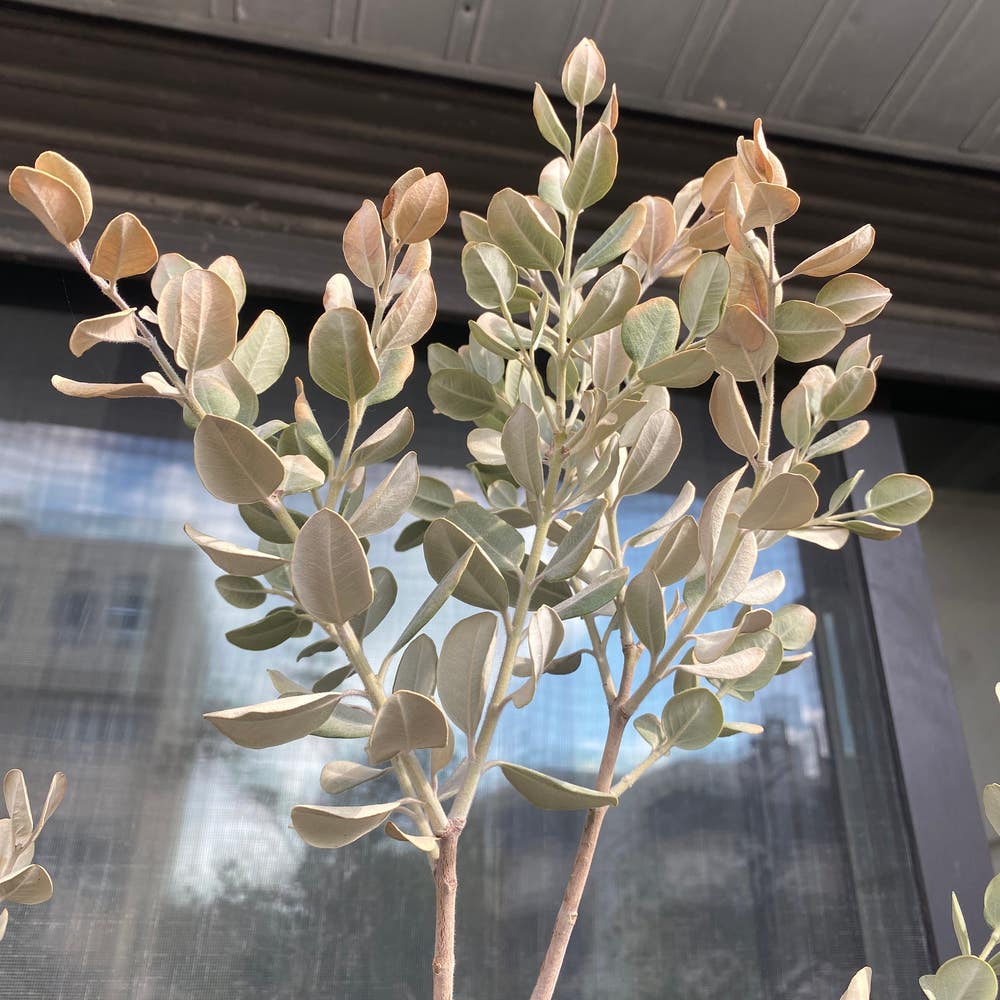
Pay attention to the color of the needles. If you notice brown or black tips on the needle-like leaves, it could signal root rot. Additionally, any softening or browning of the leaf surfaces is a red flag that shouldn’t be ignored.
🔍 Root Examination Techniques
To properly assess the roots, you’ll need to remove the plant from its pot. Gently loosen the soil around the base and lift the plant out, being careful not to damage the roots.
Once out, examine the roots closely. Healthy roots should be firm and white, while rotting roots will appear dark and mushy. Identifying these characteristics is crucial for determining the next steps in treatment.
With these symptoms and techniques in mind, you’re well-equipped to tackle root rot head-on. Next, we’ll dive into diagnosing the issue more thoroughly.
Diagnosing Root Rot
🌱 Soil Testing for Moisture Levels
Understanding soil moisture is crucial for diagnosing root rot in your New Zealand Christmas Tree. You can use simple methods like the finger test, where you insert your finger into the soil up to the second knuckle to feel for moisture. Alternatively, a moisture meter provides a more precise reading.
For optimal health, the soil should be moist but not soggy. Aim for a moisture level that allows the top inch of soil to dry out between waterings.
🔍 Root Inspection Methods
Inspecting the roots is essential for determining the presence of rot. Gently remove the plant from its pot, taking care not to damage the roots. Look for healthy roots, which are typically firm and white, compared to rotting roots that appear dark and mushy.
Use a clean, sharp tool to help separate the roots from the soil if needed. This careful examination will help you identify the extent of any damage.
⚠️ Differentiating Root Rot from Other Issues
Root rot can often be mistaken for other problems, such as pest infestations or nutrient deficiencies. Look for signs like wilting or yellowing leaves, which can indicate various issues.
Accurate diagnosis is vital for effective treatment. If you can pinpoint root rot, you can take the necessary steps to save your tree before it’s too late.
With these diagnostic techniques, you’ll be well-equipped to tackle any root rot issues that arise. Next, we’ll explore effective treatment options to restore your tree’s health.
Treating Root Rot
Step-by-Step Treatment Process 🌱
Treating root rot requires a careful approach to ensure your New Zealand Christmas Tree can recover. Start by removing the plant from its pot to inspect the roots thoroughly.
Next, trim away any affected roots using sterilized tools. This step is crucial to prevent the spread of decay. After trimming, allow the remaining healthy roots to dry for a few hours. This drying period helps reduce moisture before repotting.
Finally, repot your tree in fresh, well-draining soil. This new environment will provide the necessary support for recovery.
Recommended Fungicides and Treatments 🧪
When it comes to treating root rot, fungicides can be effective, especially against Phytophthora. Look for products specifically designed for root rot treatment, as they can help eliminate harmful pathogens.
If you prefer natural remedies, consider options like neem oil or cinnamon. Both have antifungal properties and can be gentler on your plant.
Repotting Techniques for Affected Plants 🪴
Choosing the right pot size is essential for your tree's recovery. A pot that is too large can retain excess moisture, while one that is too small may restrict root growth.
Using a well-draining potting mix is equally important. Look for mixes that include components like perlite or sand to enhance drainage.
When repotting, follow these steps to minimize stress on your plant:
- Gently place the tree in the new pot.
- Fill in around the roots with fresh soil, ensuring no air pockets remain.
- Water lightly to settle the soil without oversaturating it.
By following these techniques, you can help your New Zealand Christmas Tree bounce back from root rot and thrive once again.
As you move forward, remember that prevention is key to keeping your tree healthy. Let's explore how to prevent root rot in the first place.
Preventing Root Rot
Best Practices for Watering 🌊
Watering your New Zealand Christmas Tree correctly is crucial to prevent root rot. Aim to water your tree when the top inch of soil feels dry, typically every 1-2 weeks, depending on the season.
Overwatering is a common mistake that can lead to root rot. Watch for signs like yellowing leaves or wilting, which indicate that your tree might be getting too much water.
Importance of Soil Drainage 🕳️
Good drainage is essential for healthy roots. Well-draining soil typically contains components like perlite, sand, or peat moss, which help excess water escape.
If your soil retains too much moisture, consider amending it with these materials. You can also elevate pots or create drainage holes to enhance airflow and prevent water accumulation.
Choosing the Right Potting Mix 🌱
Selecting the right potting mix can make all the difference. Look for mixes specifically designed for conifers or those labeled as well-draining.
Aeration and drainage are vital for root health. A quality potting mix will not only support your tree but also help prevent the onset of root rot by allowing roots to breathe and thrive.
By following these preventive measures, you can keep your New Zealand Christmas Tree healthy and vibrant. Next, let’s explore long-term care strategies to ensure your tree continues to flourish.
Long-term Care for New Zealand Christmas Tree
🌧️ Seasonal Care Tips to Avoid Root Rot
Adjusting your watering practices is crucial as the seasons change. In warmer months, your New Zealand Christmas Tree may need more frequent watering, while in cooler months, you should reduce the frequency to prevent overwatering.
Regularly monitoring soil moisture levels is essential. Use a moisture meter or the finger test to ensure the soil is neither too dry nor too soggy, keeping your tree healthy and thriving.
🔍 Monitoring Plant Health
Conduct regular inspections of your tree to catch early signs of root rot. Look for wilting leaves or discoloration, which can indicate underlying issues.
Keeping a care journal can be a game-changer. Documenting changes in your plant's health helps you identify patterns and adjust your care routine effectively.
🌡️ Adjusting Care Based on Environmental Changes
Be prepared to adapt your care routine as humidity and temperature fluctuate. For instance, during dry spells, you may need to increase humidity around your tree.
Choosing the right location for your tree is vital. Ensure it receives adequate light and protection from harsh conditions to promote optimal growth and prevent stress-related issues.
By following these long-term care strategies, you can help your New Zealand Christmas Tree flourish and avoid the pitfalls of root rot. Now, let's explore how to prevent root rot effectively!
⚠️ Safety First
This content is for general information and may contain errors, omissions, or outdated details. It is not medical, veterinary advice, or an endorsement of therapeutic claims.
Always consult a qualified healthcare professional before using any plant as food, medicine, or supplement.
Never eat any plant (or feed one to pets) without confirming its identity with at least two trusted sources.
If you suspect poisoning, call Poison Control (800) 222-1222, the Pet Poison Helpline (800) 213-6680, or your local emergency service immediately.
Spotted an error? Please report it here.
Keep your New Zealand Christmas tree thriving 🎄 by using Greg's tailored watering reminders and care tips to prevent root rot and ensure vibrant growth all year long!