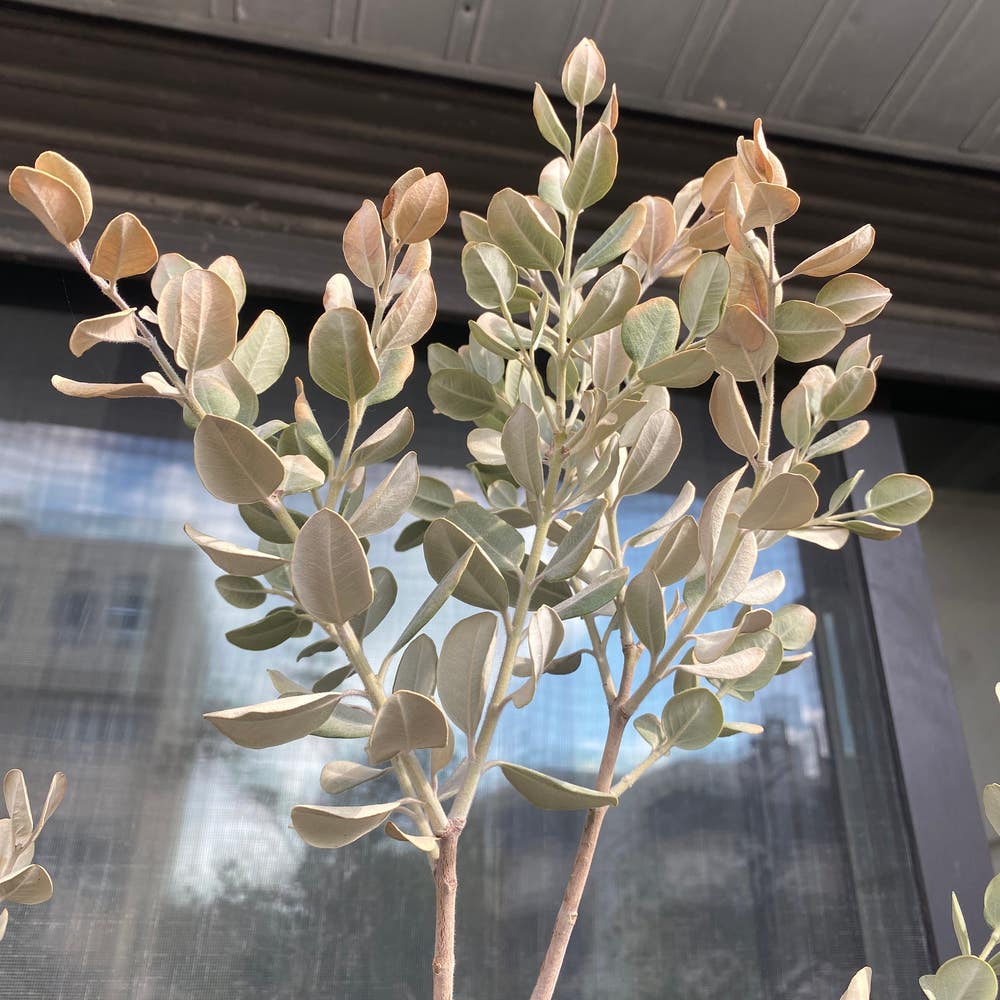
Identifying What is Eating Your New Zealand Christmas Tree 🐛
Metrosideros excelsa
By the Greg Editorial Team
Nov 08, 2024•7 min read
This article was created with the help of AI so we can cover more plants for you. May contain errors. See one? Report it here.
Safeguard your New Zealand Christmas Tree 🌲 from herbivores and nurture a thriving garden ecosystem with these essential tips!
- 🦌 Deer, rabbits, and squirrels are major threats to New Zealand Christmas Trees.
- 🚫 Effective deterrents include repellents, fencing, and companion planting for protection.
- 🌼 Beneficial creatures like bees enhance pollination, promoting a healthier garden ecosystem.
Common Herbivores and Their Impact
🦌 Deer
Signs of presence and damage caused
Deer can be particularly damaging to New Zealand Christmas Trees. Look for signs like browsing on leaves and young shoots, hoof prints in muddy areas, and dark, pellet-like droppings near the tree.
Beneficial vs. harmful interactions
Generally, deer interactions are harmful. They can severely damage young trees and hinder their growth, making them a significant concern for gardeners.
Deterrent methods
To deter deer, consider using chemical deterrents like commercial deer repellents. Organic methods include planting deer-resistant plants nearby or using human hair and soap shavings around the tree.
🐇 Rabbits
Signs of presence and damage caused
Rabbits also pose a threat, often gnawing on stems and leaves. Their presence is indicated by small, round droppings and distinctive footprints.
Beneficial vs. harmful interactions
Like deer, rabbits are generally harmful. They can cause significant damage to young plants, leading to stunted growth or even death.
Deterrent methods
For easy deterrence, use bitter-tasting sprays as chemical repellents. Organic options include fencing that is 2-3 feet high and using repellents like cayenne pepper to keep them at bay.
🐿️ Squirrels
Signs of presence and damage caused
Squirrels can weaken your Christmas tree by stripping bark and nibbling on fruits. You might also notice nesting debris around the base of the tree.
Beneficial vs. harmful interactions
Squirrels are generally harmful as well. Their activities can reduce fruit yield and compromise the tree's health.
Deterrent methods
To manage squirrels, consider commercial squirrel repellents as a chemical deterrent. Installing squirrel baffles on tree trunks serves as an effective organic method.
🐦 Birds
Signs of presence and damage caused
Birds can be a mixed bag. They may peck at fruits and flowers or nest in the tree, which can lead to potential branch damage.
Beneficial vs. harmful interactions
While some birds help with pollination, others can damage fruits. This dual role makes their impact complex.
Deterrent methods
For easy deterrence, use non-toxic bird repellents. Organic methods include hanging reflective objects or using bird netting to protect your tree.
🐭 Rodents (mice, voles, etc.)
Signs of presence and damage caused
Rodents can cause serious harm, leaving gnaw marks on bark and roots. Look for burrows or nests near the base of the tree as signs of their presence.
Beneficial vs. harmful interactions
Rodents are generally harmful, as they can cause root damage and girdling, which can be detrimental to the tree's health.
Deterrent methods
To combat rodents, use chemical deterrents like rodent bait stations. Organic methods include trapping and using natural repellents like peppermint oil.
🦡 Groundhogs/Woodchucks
Signs of presence and damage caused
Groundhogs can also be a problem, often gnawing on stems and leaves. Their burrows near the base of the tree are another telltale sign.
Beneficial vs. harmful interactions
These creatures are generally harmful, capable of severely damaging young trees.
Deterrent methods
For groundhogs, chemical deterrents like commercial repellents can be effective. Organic methods include fencing that is at least 3 feet high and buried 1 foot underground to keep them out.
Understanding these common herbivores and their impacts is crucial for protecting your New Zealand Christmas Tree. By implementing effective deterrent methods, you can ensure your tree thrives amidst the challenges posed by these animals. Next, let’s explore the beneficial animals that can enhance your garden ecosystem.
Beneficial Animals
🐝 Description of Beneficial Animals Attracted to New Zealand Christmas Tree
The New Zealand Christmas Tree is not just a feast for herbivores; it also attracts a variety of beneficial animals. Pollinators like bees and butterflies are drawn to its vibrant flowers, playing a crucial role in the ecosystem.
Birds also find refuge in these trees, acting as seed dispersers that aid in plant propagation. Their presence contributes to a thriving garden environment.
🌱 Positive Impacts on the Garden Ecosystem
These beneficial animals enhance biodiversity, creating a balanced ecosystem. By promoting healthy pollination, they ensure that plants can reproduce effectively.
Additionally, seed dispersal by birds helps in the growth of new plants, enriching the garden landscape. This interplay of life fosters a vibrant and sustainable environment, making your garden not just a collection of plants but a lively ecosystem.
Encouraging these beneficial creatures can lead to a flourishing garden, where every element plays its part in the cycle of life. As you nurture your New Zealand Christmas Tree, remember the importance of these allies in your gardening journey.
In the next section, we will explore general strategies for protecting your New Zealand Christmas Tree from potential threats while maintaining this delicate balance.
General Strategies for Protection
🛡️ Preventive Measures for Protecting New Zealand Christmas Tree
To safeguard your New Zealand Christmas Tree, start with effective fencing. Installing barriers can significantly deter larger herbivores from munching on your precious plants.
Companion planting is another smart strategy. By incorporating plants that repel pests or attract beneficial insects, you create a natural defense system around your tree.
⚠️ Reactive Solutions for Managing Animal Interactions
Regular monitoring is crucial for early detection of potential threats. Keep an eye out for signs of damage or animal presence to address issues before they escalate.
When you notice signs of herbivores, act quickly. Implementing deterrents promptly can save your tree from significant harm.
🌱 Balancing Ecosystem Health While Protecting Plants
It's essential to strike a balance between protecting your plants and encouraging beneficial animals. While managing harmful species, promote the presence of helpful creatures that contribute positively to your garden.
Understanding the role of herbivores in the ecosystem can also inform your strategies. Recognizing their place in nature helps you manage interactions more effectively, ensuring a thriving garden environment.
With these strategies in place, you can enjoy a healthy New Zealand Christmas Tree while fostering a vibrant ecosystem.
Seasonal Considerations
Seasonal Variations in Animal Attraction to New Zealand Christmas Tree 🐾
Understanding seasonal changes is crucial for protecting your New Zealand Christmas Tree. In spring, as new growth emerges, herbivores become particularly active, drawn to the tender shoots.
As fall approaches, the focus shifts to the fruits and seeds. This seasonal shift can lead to increased visits from various animals looking for a tasty snack.
Timing of Plant Vulnerability and Animal Activity ⏰
Young shoots are at their most vulnerable in early spring. During this time, they can be easily damaged by hungry herbivores.
While mature plants are generally less susceptible, they still attract birds and rodents. Awareness of these patterns can help you take proactive measures to safeguard your trees.
By monitoring these seasonal behaviors, you can better prepare for the challenges each season brings. This knowledge not only protects your trees but also fosters a healthier garden ecosystem.
Toxicity and Safety
Mild Toxicity of New Zealand Christmas Tree 🌲
The New Zealand Christmas Tree, while beautiful, can pose mild toxicity risks to certain animals. Some parts of the tree may lead to gastrointestinal upset if ingested, making it essential for gardeners to be aware of these potential hazards.
Managing Animal Interactions 🐾
Understanding the toxicity of the New Zealand Christmas Tree is crucial for managing herbivore behavior. By recognizing which animals might be affected, gardeners can take proactive steps to minimize risks.
Educating Gardeners 📚
It's important to educate gardeners on safe practices when planting near livestock or pets. This knowledge not only protects animals but also promotes a healthier garden environment.
Conclusion 📝
By being informed about the toxicity of the New Zealand Christmas Tree, you can create a safer space for both your plants and the animals around them. This awareness fosters a balanced ecosystem, allowing you to enjoy the beauty of your garden while ensuring the well-being of its inhabitants.
Next, we will explore general strategies for protecting your New Zealand Christmas Tree from herbivores and other potential threats.
⚠️ Safety First
This content is for general information and may contain errors, omissions, or outdated details. It is not medical, veterinary advice, or an endorsement of therapeutic claims.
Always consult a qualified healthcare professional before using any plant as food, medicine, or supplement.
Never eat any plant (or feed one to pets) without confirming its identity with at least two trusted sources.
If you suspect poisoning, call Poison Control (800) 222-1222, the Pet Poison Helpline (800) 213-6680, or your local emergency service immediately.
Spotted an error? Please report it here.
Safeguard your New Zealand Christmas Tree from pesky pests 🦌 with Greg's personalized tips and reminders, ensuring your garden flourishes all year round!