🎄 Understanding New Zealand Christmas Tree Height
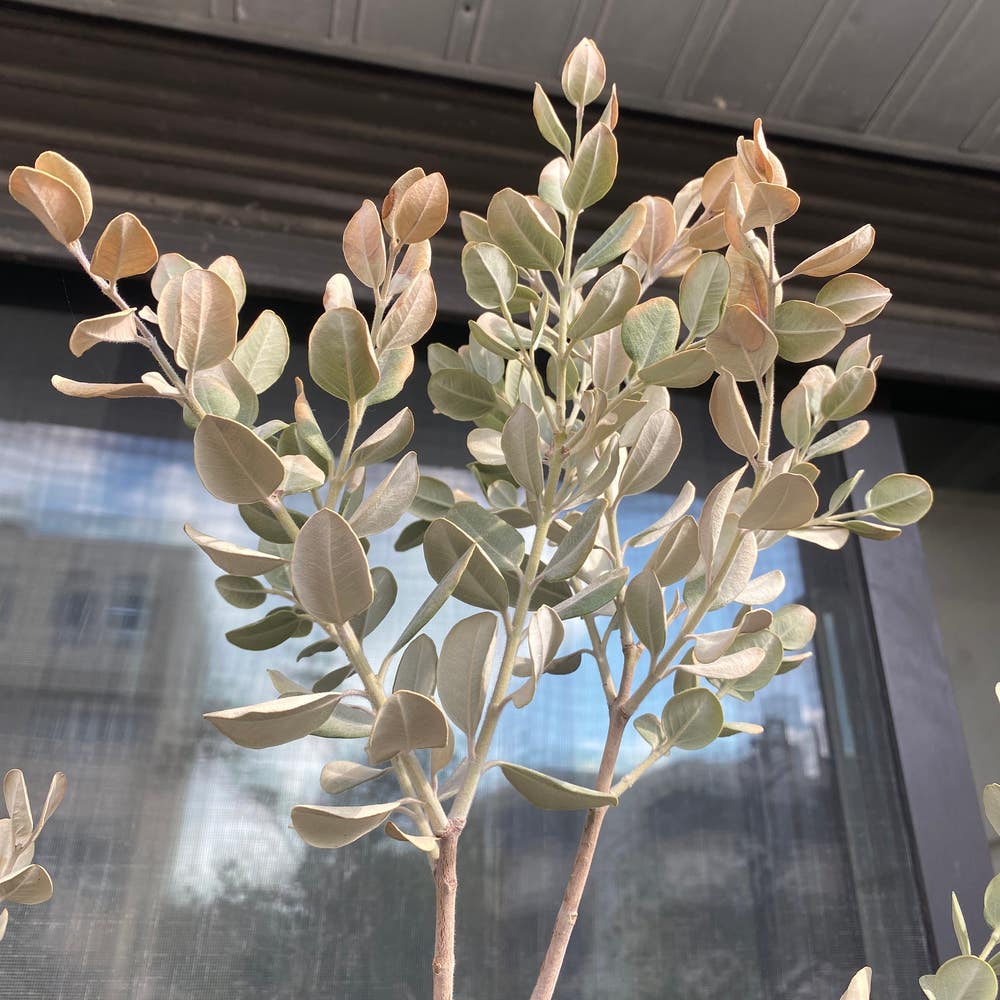
Metrosideros excelsa
By the Greg Editorial Team
Nov 08, 2024•6 min read
This article was created with the help of AI so we can cover more plants for you. May contain errors. See one? Report it here.
Unlock the secrets to thriving New Zealand Christmas trees 🌲 that transform your landscape into a stunning oasis!
- 🌲 New Zealand Christmas trees grow 30-50 feet, reaching up to 80 feet in ideal conditions.
- ☀️ Full sun and well-draining soil are crucial for healthy growth and maturity.
- 🌊 Coastal climates enhance growth, while extreme weather can hinder tree development.
Mature Height and Spread
Typical Mature Height 🌲
New Zealand Christmas trees typically reach an average height of 30 to 50 feet (9 to 15 meters). Under optimal conditions, they can soar up to 80 feet (24 meters), showcasing their impressive growth potential.
Tree Spread 🌳
The average spread of these trees ranges from 20 to 30 feet (6 to 9 meters). Factors such as soil quality, water availability, and pruning practices significantly influence this spread, making proper care essential.
Growth Rate and Time to Maturity ⏳
These trees exhibit a moderate to fast growth rate, typically adding 1 to 2 feet (30 to 60 cm) per year when conditions are ideal. It generally takes about 10 to 20 years for them to reach their full size, depending on various environmental factors.
Understanding the mature height and spread of New Zealand Christmas trees is crucial for anyone considering planting them. With the right conditions and care, these trees can thrive, adding beauty and grandeur to any landscape.
Next, we will explore the factors affecting the size of these magnificent trees.
Factors Affecting Size
🌱 Soil Type and Quality
The type of soil plays a crucial role in the growth of New Zealand Christmas trees. Ideal conditions are found in well-draining sandy or loamy soils, which promote healthy root development.
Poor soil quality can lead to stunted growth and reduced mature dimensions. If the soil retains too much moisture or lacks essential nutrients, you may see your tree struggling to reach its full potential.
🌤️ Climate and Weather Conditions
New Zealand Christmas trees thrive in mild coastal climates with moderate rainfall. This environment provides the perfect balance of moisture and warmth for optimal growth.
However, extreme weather conditions can pose significant challenges. High winds and salt spray can limit growth, making it essential to consider local climate factors when planting.
☀️ Sunlight Exposure
For these trees to flourish, they require full sun exposure, ideally 6 to 8 hours daily. Adequate sunlight is vital for photosynthesis, which fuels their growth.
Insufficient light can lead to reduced height and spread. If your tree isn’t getting enough sun, you might notice it becoming leggy and sparse.
💧 Watering Practices
Regular watering is essential, especially during dry spells. Consistent moisture helps the tree establish a robust root system and promotes healthy growth.
Conversely, overwatering can be detrimental. It can lead to root rot, severely impacting the tree's growth potential and overall health. Finding the right balance is key to nurturing a thriving Christmas tree.
In summary, understanding these factors will help you cultivate a healthy New Zealand Christmas tree. Next, let’s explore the various tree varieties available and how they differ in size and characteristics.
Varieties
🌱 Dwarf Varieties
Dwarf Christmas tree varieties are perfect for those with limited space. Typically, they reach a mature height of just 6 to 10 feet (1.8 to 3 meters), making them ideal for smaller gardens and landscapes.
These compact trees offer a charming presence without overwhelming your outdoor area. Their manageable size allows for easy maintenance and a delightful aesthetic.
🌲 Giant Varieties
On the other end of the spectrum, giant Christmas tree varieties can exceed 80 feet (24 meters) when given proper care. These towering trees not only provide a stunning visual impact but also feature larger flowers and denser foliage compared to their smaller counterparts.
Their impressive stature makes them a focal point in any landscape, creating a majestic atmosphere. However, they require ample space and careful management to thrive.
Understanding the differences between dwarf and giant varieties helps you choose the right tree for your needs. Whether you're looking to enhance a cozy garden or create a grand display, there's a Christmas tree variety that fits perfectly.
Next, we’ll explore how to control the size of these trees through effective pruning techniques.
Controlling Size
✂️ Pruning Techniques for Size Management
Pruning is essential for maintaining the desired height and shape of your New Zealand Christmas tree. Regular pruning not only encourages healthy growth but also enhances the tree's overall appearance.
To achieve clean cuts, use sharp pruning shears or saws. Dull tools can damage the tree and lead to disease.
⏰ Timing and Methods for Effective Pruning
The best time to prune your tree is late winter or early spring, just before new growth begins. This timing ensures that the tree can heal quickly and thrive after pruning.
Thinning: This technique involves removing select branches to improve air circulation and light penetration. It promotes healthier growth and reduces the risk of disease.
Topping: Cutting back the top of the tree can control height, but use this method sparingly. Over-topping can lead to an unattractive shape and stress the tree.
🌱 Other Methods to Control Growth
In addition to pruning, consider using growth regulators. These chemical treatments can effectively slow growth, allowing you to manage the tree's size more easily.
Also, think about planting location. Choosing confined spaces can limit the tree's spread, making it easier to maintain your desired size.
With these techniques and considerations, you can enjoy a beautifully shaped New Zealand Christmas tree that fits perfectly in your landscape. Next, let’s explore the various tree varieties available and how they differ in size and characteristics.
Comparative Growth
Comparison with Other Christmas Tree Species 🎄
When comparing the Metrosideros excelsa, commonly known as the New Zealand Christmas tree, to traditional Christmas trees like the Douglas Fir, notable differences emerge. The Metrosideros excelsa typically boasts a height range of 30 to 50 feet, while Douglas Fir can reach similar heights but often has a more uniform spread.
The adaptability of the New Zealand Christmas tree to coastal environments sets it apart. Unlike inland species, it thrives in conditions that may be challenging for others, showcasing unique growth habits that allow it to flourish where salt and wind are prevalent.
Unique Growth Habits 🌱
One of the standout features of the Metrosideros excelsa is its coastal growth adaptations. This tree exhibits remarkable salt tolerance, enabling it to thrive in seaside areas where other trees might struggle. Additionally, its wind resistance is a crucial trait, allowing it to withstand harsh coastal storms.
The native habitat of the New Zealand Christmas tree significantly impacts its overall size and health. Trees growing in optimal coastal conditions often achieve their maximum height and spread, demonstrating the importance of environmental factors in their growth journey.
As we explore further, understanding these growth characteristics can help in selecting the right tree for your landscape, ensuring it thrives in its chosen environment.
⚠️ Safety First
This content is for general information and may contain errors, omissions, or outdated details. It is not medical, veterinary advice, or an endorsement of therapeutic claims.
Always consult a qualified healthcare professional before using any plant as food, medicine, or supplement.
Never eat any plant (or feed one to pets) without confirming its identity with at least two trusted sources.
If you suspect poisoning, call Poison Control (800) 222-1222, the Pet Poison Helpline (800) 213-6680, or your local emergency service immediately.
Spotted an error? Please report it here.
Grow a thriving New Zealand Christmas tree 🎄 with Greg's tailored care tips and reminders to ensure it reaches its full height and beauty!