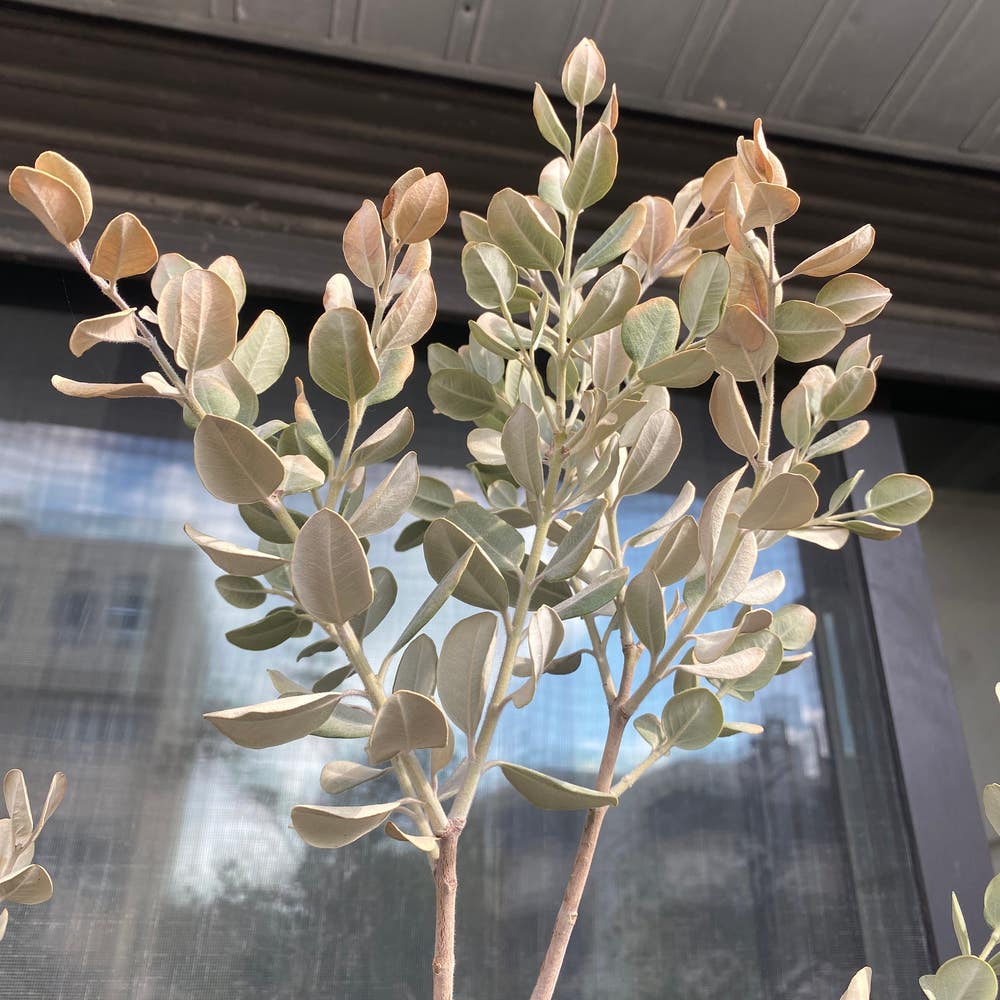
Why Are My Pōhutukawa Leaves Droopy?
Metrosideros excelsa
By the Greg Editorial Team
Jun 19, 2024•3 min read
This article was created with the help of AI so we can cover more plants for you. May contain errors. See one? Report it here.
Perk up your Pōhutukawa's sad leaves 🍂 with our fail-proof care secrets for a thriving tree!
- 💧 Adjust watering seasonally to prevent droopy Pōhutukawa leaves.
- 🌱 Revitalize soil with organic matter for healthy roots and perky leaves.
- 🛡️ Regular check-ups and pruning keep Pōhutukawa trees healthy and upright.
Spotting the Trouble: Common Causes of Droopy Leaves
💧 Thirsty or Drowning Roots?
The balance between too much and too little water is a tightrope walk for Pōhutukawa trees. Underwatering leaves the soil dry and your tree's leaves looking like they've been through a desert trek. On the other hand, overwatering turns the soil into a swampy mess, leading to yellow, mushy leaves. It's a matter of adjusting your watering to the tree's seasonal demands—sparingly in winter, generously in summer.
🌱 When the Ground Gets Tough
Soil quality is like a bed for roots; it needs to be just right. Poor soil can choke the life out of your Pōhutukawa's roots, leading to droopy leaves. Aerial roots of the Pōhutukawa are tenacious, but even they have their limits in sub-optimal conditions. They need a mix that's well-draining yet retains enough moisture to keep them from going thirsty.
🐛 Unwanted Guests and Unseen Illnesses
Pests and diseases are the party crashers no one wants. They can bring your Pōhutukawa's leaves down, quite literally. Myrtle rust and Phytophthora root rot are among the usual suspects. Leaves that start to look like they've been through a paper shredder, or develop an unhealthy pallor with brown spots, are red flags. It's time to play detective and root out these unwelcome guests before they turn your tree's leaves into their personal buffet.

Turning the Tide: How to Perk Up Your Pōhutukawa
💧 Water Wisdom
Consistency is key in watering your Pōhutukawa. Aim for a regular schedule, ideally in the morning, to set your tree up for daily success. Use a water calculator or the touch test to gauge moisture; if the soil clings to your finger, skip the day's watering. Remember, overwatering is as harmful as dehydration.
🌱 Soil TLC
Revitalize your Pōhutukawa's soil with organic matter like sheep pellets to boost nutrient content. Ensure the soil is well-draining to prevent root rot, a common killer. Consider the tree's preference for loamy or sandy soils when planting or repotting.
🐜 Kicking Out the Crashers
For pests, go organic. Insecticidal soap and neem oil are your non-toxic weapons against aphids and mites. Regularly inspect for signs of infestation, such as sticky residue or fine webs. For diseases like Myrtle rust, proactive measures are crucial—keep an eye out for any unusual leaf discoloration or spots.

Keeping the Leaves Up: Prevention is Key
🛡️ Shielding from the Storm
Environmental stressors can wreak havoc on your Pōhutukawa's well-being. To shield your tree, consider frost protection during cold snaps, especially in the tree's early years. Use frost cloth or move potted trees to a sheltered spot. In high wind areas, strategic planting or barriers can reduce wind damage.
💪 The Art of Vigilance
Regular check-ups are crucial for a thriving Pōhutukawa. Inspect leaves for unusual spots or pests like psyllids, which hint at bigger problems. Pruning helps too; it's like giving your tree a health check that also tidies its appearance. Keep an eye on moisture levels in the soil—overwatering and underwatering are both no-nos. Remember, a little attentiveness goes a long way in preventing droopy leaves.
⚠️ Safety First
This content is for general information and may contain errors, omissions, or outdated details. It is not medical, veterinary advice, or an endorsement of therapeutic claims.
Always consult a qualified healthcare professional before using any plant as food, medicine, or supplement.
Never eat any plant (or feed one to pets) without confirming its identity with at least two trusted sources.
If you suspect poisoning, call Poison Control (800) 222-1222, the Pet Poison Helpline (800) 213-6680, or your local emergency service immediately.
Spotted an error? Please report it here.
Ensure your Pōhutukawa thrives with Greg's 🌱 custom watering reminders and community advice, preventing droopy leaves by keeping the roots just right.