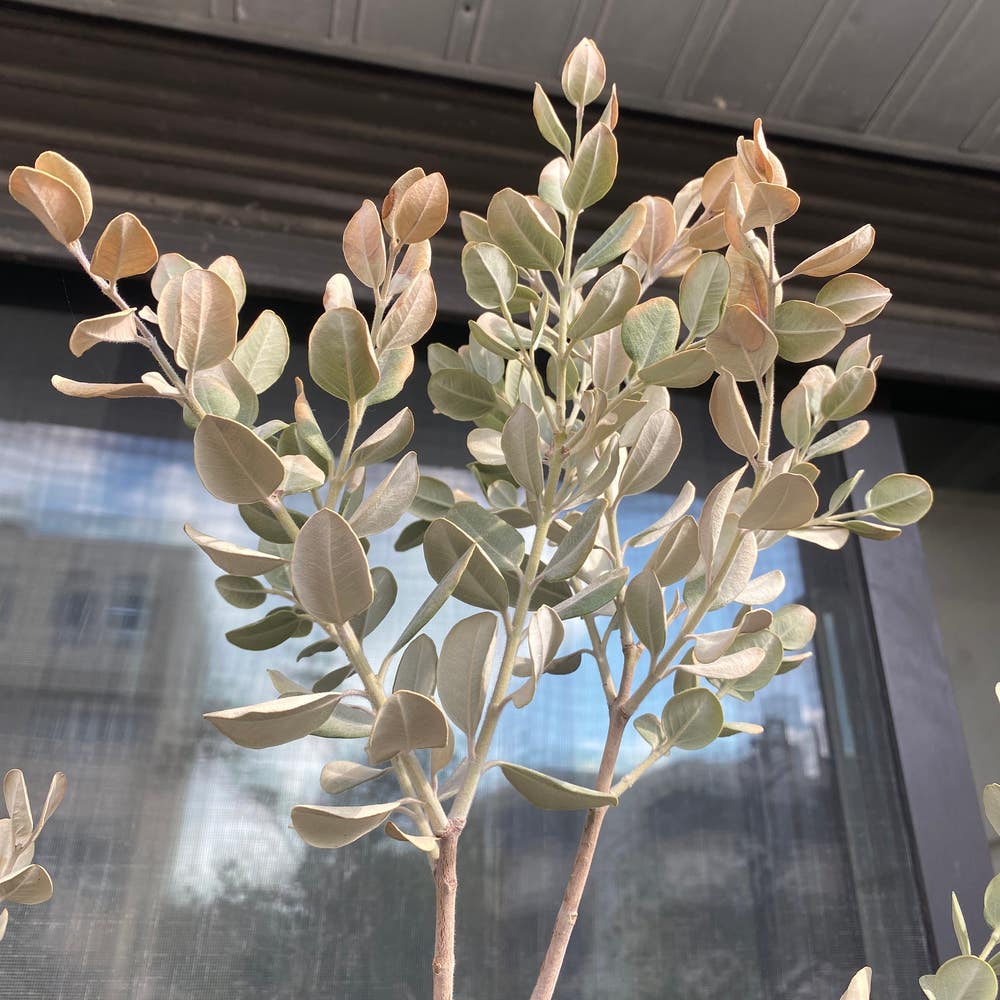
Why Are There Brown Spots on My Pōhutukawa?
Metrosideros excelsa
By the Greg Editorial Team
Jun 19, 2024•4 min read
This article was created with the help of AI so we can cover more plants for you. May contain errors. See one? Report it here.
Banish brown spots 🍂 from your Pōhutukawa and restore its vibrant health with expert tips!
Spotting the Culprits: Causes of Brown Spots
🦠 Fungal and Bacterial Villains
Fungal infections and bacterial diseases are the stealthy perpetrators behind those unsightly brown spots on Pōhutukawa leaves. Pseudomonas syringae and Mycosphaerella spp. are often to blame, launching their assault on the foliage with a variety of symptoms. Fungal spots might boast a yellow halo or a bullseye pattern, while bacterial spots can appear water-soaked with a red or yellow edge. High humidity and poor air circulation are their allies, creating the perfect storm for an outbreak.
🕵️♂️ Spotting the Difference: Fungal vs. Bacterial Blemishes
Distinguishing between fungal and bacterial spots can be tricky, but it's crucial for treatment. Fungal issues often present as raised or powdery lesions, while bacterial infections look more like wet, oozing wounds. Each type has its own signature style, and knowing which you're dealing with is the first step to eviction.
🌿 Environmental Stress Factors
Environmental stress can also cause brown spots on your Pōhutukawa. Water stress, whether from over or under-watering, can manifest as brown discoloration. Temperature extremes and poor soil conditions can similarly stress your plant out, leading to those dreaded spots. It's like your Pōhutukawa is sending an SOS, telling you that its environment needs tweaking.

Playing Detective: Identifying the Brown Spot Bandit
🔍 Visual Clues and Symptoms
Inspect the leaves for patterns of discoloration. Brown spots can be small specks or larger blotches, indicating different issues. Turn over the leaves; the undersides may reveal spots that are out of sight. A yellow halo around a spot suggests a bacterial cause, while a lack of such a halo could point to a fungal issue.
🕵️♂️ Home Investigation Techniques
Check the soil's moisture; overwatering often leads to brown spots. Examine the plant for pests—aphids, thrips, or spider mites leave distinct signs. If the spots are rusty, it could be a nutrient deficiency. When in doubt, a lab test can offer definitive answers, much like a background check in a detective's toolkit.

The Rescue Plan: Treating and Preventing Brown Spots
🛡️ Combating Infections
Choosing Your Weapons: Fungicides and Bactericides
When brown spots attack your Pōhutukawa, it's time for action. Organic treatments are your first line of defense; they won't annihilate the fungus but will keep it from conquering new territory. Mix up a home remedy of baking soda, liquid soap, and water, and spray with gusto every two weeks. If the fungus laughs in the face of your homemade concoction, escalate to a copper-based fungicide. It's like a barrier for your plant's leaves, stopping spores in their tracks.
🧼 Cultural Practices: Cleanliness is Next to Pōhutukawaliness
Cleanliness isn't just for your hands; it's a lifesaver for your Pōhutukawa. Sterilize your pruning shears as if prepping for a medical procedure. Remove fallen leaves like you're erasing evidence; this denies fungi a winter home. And remember, water your Pōhutukawa when the sun shines, not when clouds are throwing shade.
💨 Easing Environmental Stress
Watering Wisdom: The Sweet Spot
Overwatering and underwatering are the Bonnie and Clyde of plant stress. Find the sweet spot for your Pōhutukawa. It's not about drenching or desertifying; it's about consistent moisture. Mulch like you're tucking in your plant with a cozy blanket, but don't smother it. Roots need to breathe, not swim.
Soil and Sun Smarts: The Ideal Home
Your Pōhutukawa's roots are picky about their neighborhood. They detest compacted, poorly drained soils. Give them a loose and fertile home, and they'll reward you with vigor. Sunlight is their best friend, but like all good friendships, it's about balance. Aim for that sweet spot of bright, indirect light, and your Pōhutukawa will bask in the glow of good health.
⚠️ Safety First
This content is for general information and may contain errors, omissions, or outdated details. It is not medical, veterinary advice, or an endorsement of therapeutic claims.
Always consult a qualified healthcare professional before using any plant as food, medicine, or supplement.
Never eat any plant (or feed one to pets) without confirming its identity with at least two trusted sources.
If you suspect poisoning, call Poison Control (800) 222-1222, the Pet Poison Helpline (800) 213-6680, or your local emergency service immediately.
Spotted an error? Please report it here.
Banish those pesky brown spots on your Pōhutukawa by letting Greg's PlantVision 🔍 guide you to the perfect balance of light and moisture for spotless leaves.