Common Pōhutukawa Problems
Metrosideros excelsa
By the Greg Editorial Team
Jun 19, 2024•4 min read
This article was created with the help of AI so we can cover more plants for you. May contain errors. See one? Report it here.
Safeguard your Pōhutukawa's health with early detection and smart fixes for common issues. 🌳🔍
- Over/under-watering? Look for yellow leaves or wilting and adjust your routine.
- 🌞🌡️ Light and temperature matter: Adjust exposure and protect from extremes.
- 🐜 Pest control: Use safe methods like beneficial insects and horticultural oil.
Water Woes: Too Much or Too Little
🚱 Spotting the Signs
Identifying symptoms of over-watering and under-watering is crucial for the health of your Pōhutukawa. Over-watered plants may exhibit leaves with a yellow hue or black spots, and roots that feel like they've been left in a stew for too long. On the flip side, under-watered Pōhutukawas sport wilting, crispy leaves, and soil as dry as a stand-up comedian's wit.
Finding the Balance
To establish a consistent watering routine, first, ditch the calendar-based approach. Instead, get hands-on and feel the soil. If it clings to your finger, it's not yet time to water. A pot that feels heavier than your post-holiday suitcase might indicate waterlogged roots, while a light one is your plant's SOS for a drink. Adjust your watering to the rhythm of the seasons—less in winter, more in summer heat.
Rescue and Recovery
If you've been overzealous with the watering can, it's time for a plant detox. Let the soil dry out, and if you're dealing with a case of root rot, consider repotting with a well-draining soil mix. For those who've neglected the watering, introduce moisture gradually. Flooding your Pōhutukawa in a guilt-ridden frenzy will only swap one problem for another. Remember, your watering can is not a fire hose; it's a lifeline that should be used with care.
Light and Temperature: The Delicate Dance
🍃 Reading the Leaves
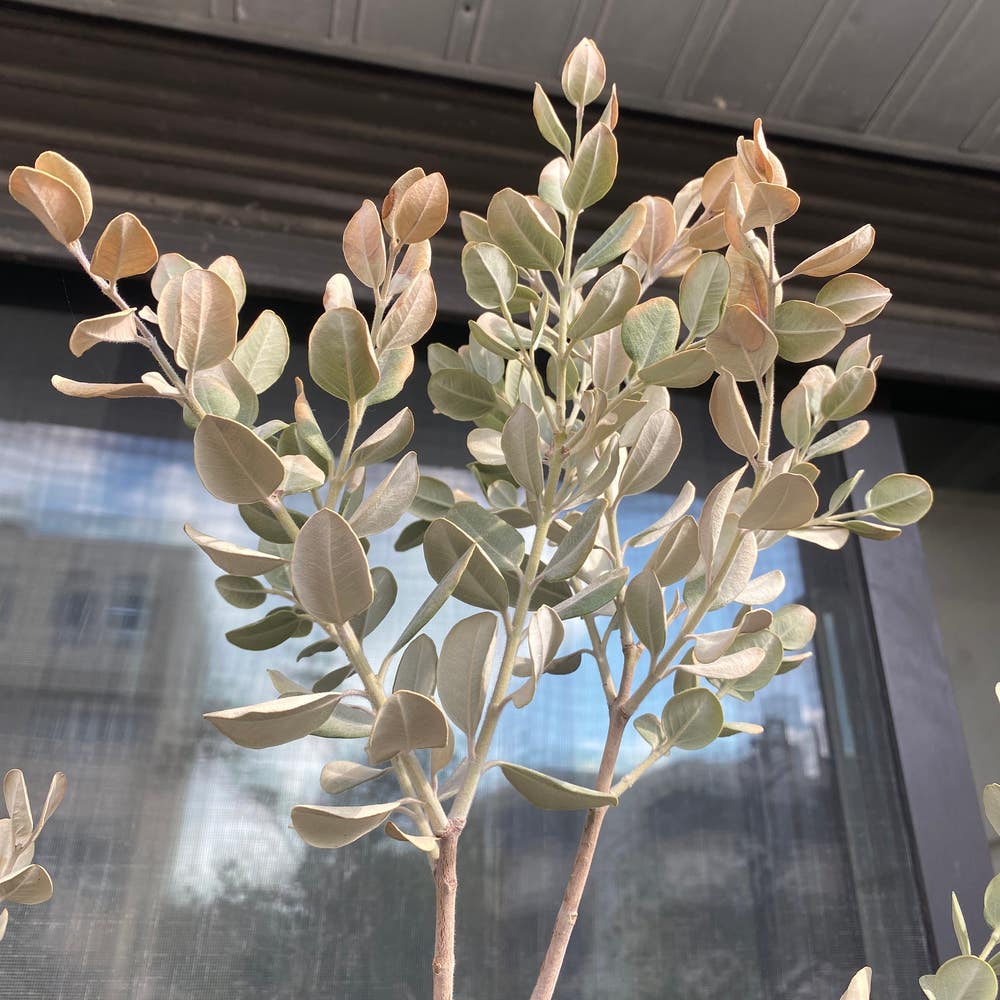
Pale or scorched leaves are your Pōhutukawa's way of waving a white flag at improper light conditions. A pale palette suggests your plant is playing hide and seek with the sun and losing. Conversely, leaves that look like they've just walked out of a desert spell out too much sun.
🌳 Shady Solutions
Adjusting light exposure is like setting the right mood—it's all about location, location, location. Dappled sunlight or partial shade is your go-to during the harsh summer months. As winter rolls in, cozy up your Pōhutukawa near a bright window, but not too close—no one enjoys a cold draft.
🌡️ Keeping the Chill Away
Temperature stress in Pōhutukawa is like sending a tropical fish to the Arctic—downright uncomfortable. Keep the environment steady; think of it as maintaining a good room temperature for a nap—not too hot, not too cold. Avoid placing your plant in drafty spots or next to heat sources that could turn it into a crispy critter.
The Unseen Enemy: Root Rot and Fungus
🍄 Detecting Decay
Root rot is a plant's silent crisis, often going unnoticed until it's too late. Mushy roots and a distinct foul odor are the telltale signs of this underground assassin. If the roots are more brown mush than firm white, you're dealing with decay. Above ground, yellowing leaves and a general look of despair in your Pōhutukawa may signal trouble below.
Drying Out and Starting Over
To rescue a plant from the clutches of root rot, start with a root autopsy. Gently remove the plant from its pot and examine the roots. Healthy ones should be firm and white, while rotten ones will be as unappetizing as overcooked pasta. Snip the damaged parts with sterilized shears—this is plant surgery, and precision is key. After the operation, repot in fresh, well-draining soil and adjust your watering habits. Over-watering isn't just a mistake; it's an invitation for fungal fiestas. If you've caught the rot early, consider using a fungicide as a backup—think of it as your plant's personal bodyguard against lingering fungal foes. But remember, fungicides are the nuclear option: use them as a last resort and follow the instructions like you're defusing a bomb.
Pests: The Invaders on Leaves
🐛 Bug Hunt
Pōhutukawa trees, while hardy, do have a few nemeses in the bug world. Leaf miner weevils are particularly fond of these trees, burrowing into leaves and causing unsightly damage. Scale insects and psyllids also pose a threat, the former leaving sticky residues and the latter causing leaf curling. Myrtle Rust, a fungal disease, is another concern, especially in New Zealand where Pōhutukawa is native. Regular inspections are crucial; look for the telltale signs of pests like discolored or damaged leaves, and act swiftly if you spot them.
Gentle Defenses
When it comes to defending your Pōhutukawa, think ninja rather than knight in shining armor. Introduce beneficial insects like ladybugs and lacewings to naturally curb aphid populations. For scale insects and psyllids, a combination of horticultural oil and insecticidal soap can be effective. Always opt for the least toxic options first, keeping the health of your plant and the environment in mind. Remember, consistency in pest control is key; it's more marathon than sprint.
⚠️ Safety First
This content is for general information and may contain errors, omissions, or outdated details. It is not medical, veterinary advice, or an endorsement of therapeutic claims.
Always consult a qualified healthcare professional before using any plant as food, medicine, or supplement.
Never eat any plant (or feed one to pets) without confirming its identity with at least two trusted sources.
If you suspect poisoning, call Poison Control (800) 222-1222, the Pet Poison Helpline (800) 213-6680, or your local emergency service immediately.
Spotted an error? Please report it here.
Keep your Pōhutukawa thriving 🌺 with Greg's personalized care reminders, helping you prevent common problems and enjoy a vibrant plant life.