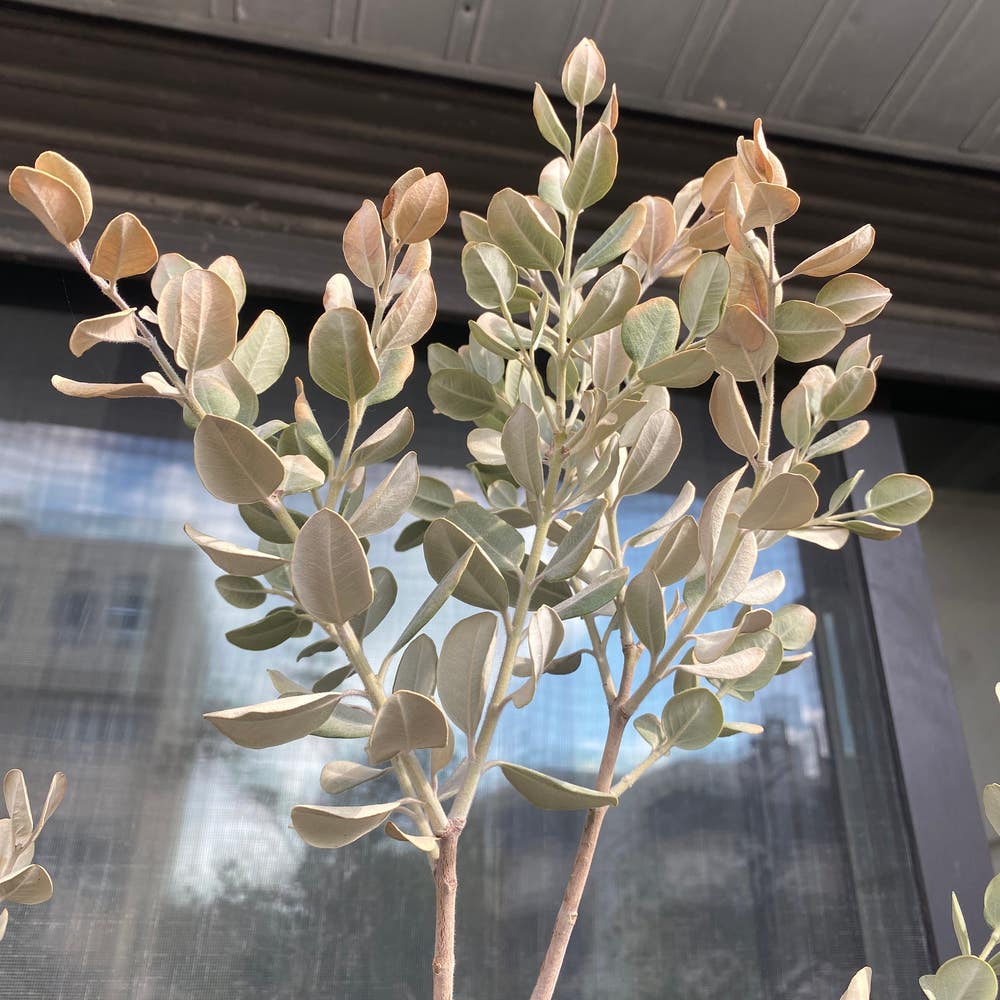
🐛 What's Eating Your Pohutukawa
Metrosideros excelsa
By the Greg Editorial Team
Sep 29, 2024•5 min read
This article was created with the help of AI so we can cover more plants for you. May contain errors. See one? Report it here.
Safeguard your Pohutukawa trees from pesky herbivores 🦌 with these essential tips for a thriving garden! 🌱
- 🦌 Deer and rabbits are major threats to Pohutukawa trees; use repellents and fencing.
- 🐦 Birds can damage fruits but also aid in pollination; manage with deterrent sprays.
- 🐭 Rodents and groundhogs weaken trees; monitor regularly and use bait stations for control.
Common Herbivores Affecting Pohutukawa
🦌 Deer
Signs of presence and damage
Look for hoof prints in the soil near the base of the tree. You might also notice leaves and young shoots stripped from branches, indicating deer browsing.
Beneficial vs. harmful interactions
Deer interactions are generally harmful. They can cause significant damage to young trees and saplings, stunting their growth.
Deterrent methods
To deter deer, consider using commercial repellents that emit strong odors. Alternatively, planting deer-resistant species nearby and erecting 8-foot tall fencing can be effective.
🐇 Rabbits
Signs of presence and damage
Keep an eye out for small, round droppings near the base of the tree. Clean cuts on young shoots and bark are telltale signs of rabbit gnawing.
Beneficial vs. harmful interactions
Rabbits are generally harmful to Pohutukawa. Their feeding habits can severely stunt growth and damage young trees.
Deterrent methods
For rabbits, chemical repellents with strong scents can be useful. Additionally, fencing with small mesh can effectively prevent their access.
🐿️ Squirrels
Signs of presence and damage
Visible gnaw marks on branches indicate squirrel activity. You may also find signs of nests in the canopy.
Beneficial vs. harmful interactions
Squirrels have a mixed impact. While they can aid in seed dispersal, they may also damage young branches.
Deterrent methods
To keep squirrels at bay, consider using repellents containing capsaicin. Installing squirrel-proof feeders can also divert their attention.
🐦 Birds
Signs of presence and damage
Look for holes in fruits and flowers caused by pecking. Nests in the branches can lead to branch breakage.
Beneficial vs. harmful interactions
Birds are generally beneficial, acting as pollinators and seed dispersers. However, they can also damage fruits.
Deterrent methods
Bird deterrent sprays can help manage their presence. Reflective tape or wind chimes can scare birds away effectively.
🐭 Rodents (mice, voles, etc.)
Signs of presence and damage
Tunneling near the base of the tree is a clear sign of rodent activity. Chewed roots and bark indicate gnawing.
Beneficial vs. harmful interactions
Rodents are generally harmful. They can cause root damage and weaken the plant significantly.
Deterrent methods
Rodent bait stations can be effective for control. Alternatively, trapping methods and introducing natural predators like cats can help.
🦡 Groundhogs/Woodchucks
Signs of presence and damage
Look for large burrows dug near the base of the tree. You may also see leaves and young shoots eaten down to stubs.
Beneficial vs. harmful interactions
Groundhogs are generally harmful. They can severely damage young trees and saplings.
Deterrent methods
Commercial repellents designed to deter groundhogs can be useful. Additionally, fencing with buried barriers can prevent burrowing.
Understanding these common herbivores and their interactions with Pohutukawa is crucial for maintaining the health of your trees. Next, we’ll explore the beneficial animals that contribute positively to the ecosystem surrounding Pohutukawa.
Beneficial Animals and Ecosystem Role
🐝 Pollinators: Nature's Helpers
Bees and butterflies are vital pollinators attracted to Pohutukawa. Their role in flower fertilization is crucial for the tree's reproduction and overall health.
🐦 Birds: Seed Dispersers
Birds also play a significant role as seed dispersers. By feeding on the fruits, they help propagate Pohutukawa, ensuring its growth in new areas.
🌱 Enhancing Biodiversity
The presence of these beneficial animals enhances biodiversity in your garden. A diverse ecosystem promotes healthy soil and supports various plant and animal life.
🌍 Natural Interactions
These interactions create a balanced environment. Pollinators and seed dispersers contribute to a thriving ecosystem, making your garden more resilient and vibrant.
Incorporating these beneficial species can transform your garden into a lively habitat. As we explore general strategies for protecting Pohutukawa, consider how fostering these relationships can lead to a flourishing environment.
General Strategies for Protection
🛡️ Preventive Measures for Protecting Pohutukawa
Regular monitoring is crucial for safeguarding your Pohutukawa. Keep an eye out for signs of animal activity, such as tracks or droppings, to catch potential issues early.
Creating a diverse garden ecosystem can also be beneficial. By attracting helpful species, you can naturally reduce the likelihood of harmful herbivores taking over.
⚠️ Reactive Solutions for Managing Animal Interactions
When you notice signs of damage, respond immediately with appropriate deterrents. Quick action can prevent further harm to your trees.
Adjusting your care practices based on seasonal animal behavior is essential. Understanding when animals are most active allows you to tailor your protection strategies effectively.
🌱 Seasonal Variations in Animal Attraction to Pohutukawa
Expect increased animal activity during the flowering and fruiting seasons. This is when your Pohutukawa is most vulnerable, so be extra vigilant during these times.
By implementing these strategies, you can create a thriving environment for your Pohutukawa while minimizing the impact of herbivores. Next, let’s explore the beneficial animals that contribute positively to the ecosystem surrounding these beautiful trees.
Toxicity and Safety
Toxic Effects of Pohutukawa on Animals 🐾
Pohutukawa trees possess mild toxicity in certain parts, which can deter some herbivores from feasting on them. This natural defense mechanism helps protect the tree, allowing it to thrive despite the presence of potential threats.
Safety Considerations for Gardeners ⚠️
Gardeners should be aware of the potential toxicity when managing animal interactions. It's crucial to ensure safe practices, especially when using chemical deterrents around pets and wildlife.
Responsible Use of Deterrents 🧪
When applying chemical repellents, always follow the manufacturer's guidelines. This ensures not only the effectiveness of the product but also the safety of your garden's ecosystem.
Monitoring and Awareness 👀
Regularly monitor your garden for signs of animal activity. Being proactive can help you address any issues before they escalate, maintaining a healthy balance in your garden.
Conclusion 📜
Understanding the toxicity of Pohutukawa and implementing safe practices can enhance your gardening experience. By being mindful of both the tree's defenses and the safety of surrounding wildlife, you can cultivate a thriving environment for all.
Next, we'll explore the beneficial animals that contribute positively to the Pohutukawa ecosystem.
⚠️ Safety First
This content is for general information and may contain errors, omissions, or outdated details. It is not medical, veterinary advice, or an endorsement of therapeutic claims.
Always consult a qualified healthcare professional before using any plant as food, medicine, or supplement.
Never eat any plant (or feed one to pets) without confirming its identity with at least two trusted sources.
If you suspect poisoning, call Poison Control (800) 222-1222, the Pet Poison Helpline (800) 213-6680, or your local emergency service immediately.
Spotted an error? Please report it here.
Safeguard your Pohutukawa trees from pesky herbivores 🦌 with Greg's personalized care tips and reminders that ensure your trees thrive beautifully!