🎄 How to Manage New Zealand Christmas Tree Weeds
Metrosideros excelsa
By the Greg Editorial Team
Nov 08, 2024•8 min read
This article was created with the help of AI so we can cover more plants for you. May contain errors. See one? Report it here.
Safeguard New Zealand's ecosystems by mastering the management of invasive Christmas tree weeds! 🌱
- 🌱 New Zealand Christmas tree weeds disrupt ecosystems by outcompeting native plants.
- 🌳 Manual removal and biological control are effective methods for managing these invasive weeds.
- ⚖️ Balancing beauty and ecosystem health is essential in controlling invasive species.
Plant Classification
Definition of Weeds and Invasive Species 🌱
Weeds are unwanted plants that aggressively invade cultivated areas, often disrupting the intended landscape. Invasive species, on the other hand, are non-native plants that spread rapidly, causing harm to ecosystems, economies, and even human health.
Criteria for Classification as a Weed 🚫
To be classified as a weed, a plant must exhibit rapid spread, allowing it to colonize new areas quickly. Additionally, it must have a competitive nature, outcompeting native flora for essential resources like light, water, and nutrients, while also altering habitats and disrupting local ecosystems.
Characteristics Contributing to Invasive Status 🌍
Several characteristics contribute to a plant's invasive status. A rapid growth rate and adaptability to various soil types and climates enable these plants to thrive in diverse environments.
Moreover, their high seed production ensures that seeds remain viable for years, increasing their chances of establishing new populations. Lastly, their ability to thrive in disturbed areas allows for quick colonization, further enhancing their invasive potential.
Understanding these classifications and characteristics is crucial for effective management of invasive species, especially in the context of New Zealand's unique ecosystems. As we delve deeper into the identification and control of these invasive plants, we can better protect our native flora and fauna.
Identification
Key Identifying Features 🌳
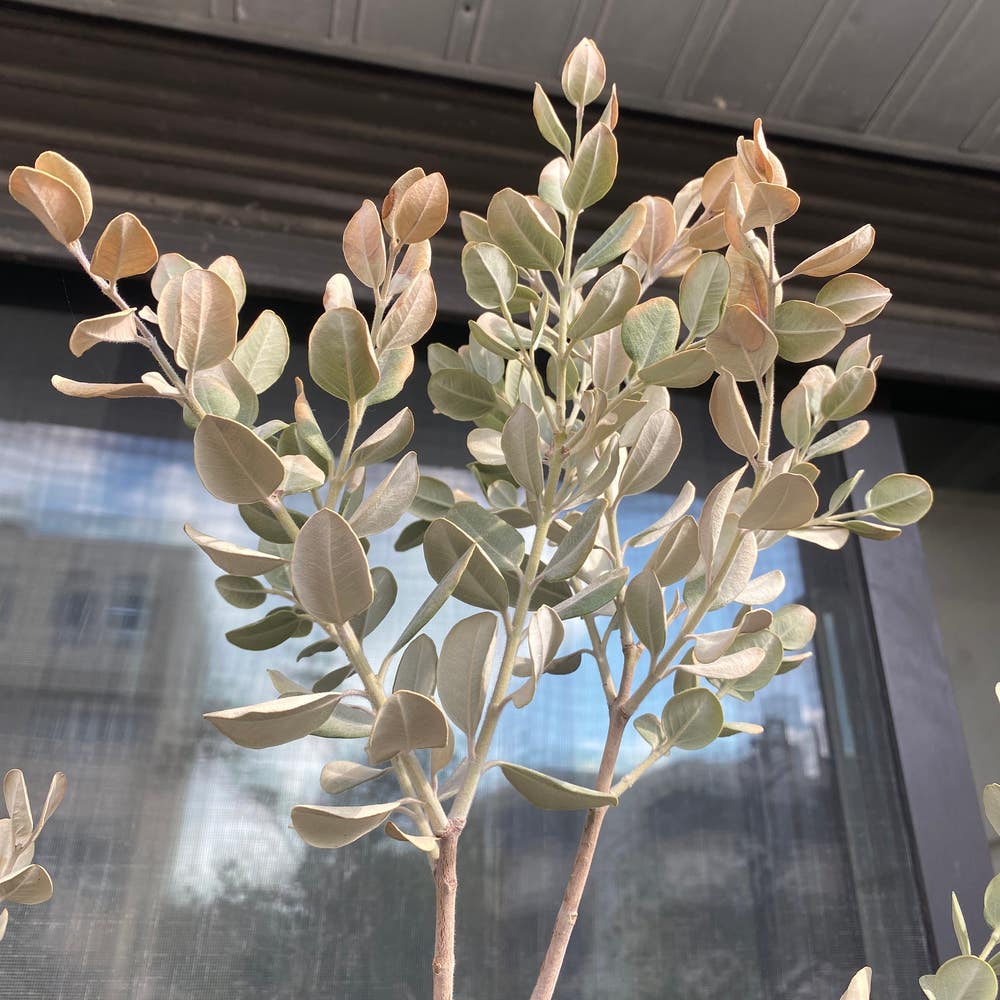
When identifying New Zealand Christmas tree weeds, start with their impressive height. These plants can grow up to 20 meters (65 feet), making them a prominent feature in any landscape.
Next, examine the leaves. They are glossy, dark green, and leathery, typically measuring between 5-10 cm (2-4 inches) long. This distinctive foliage is a key characteristic to note.
The flowers are another standout feature. Bright red, fluffy clusters bloom in summer, attracting various bird species. This vibrant display not only adds color but also indicates the plant's invasive potential.
Comparison with Look-Alike Plants 🔍
It's crucial to differentiate New Zealand Christmas tree weeds from similar species, such as the Pohutukawa. While both may share some visual traits, there are key differences to look for.
For instance, the leaf shape can vary significantly. Pohutukawa leaves are generally more elongated and have a different texture. Additionally, the flower color differs, with Pohutukawa exhibiting a more crimson hue compared to the bright red of the Christmas tree weed.
Understanding these distinctions can help in effective identification and management of these invasive plants. Keeping an eye out for these features will aid in protecting native ecosystems from their aggressive spread.
As we delve deeper into the growth habits and spread of these weeds, it’s essential to recognize how their characteristics contribute to their invasive nature.
Growth Habits and Spread
🌱 Typical Growth Patterns
New Zealand Christmas tree weeds can grow as either trees or shrubs, often forming a dense canopy that shades out other plants. Their rapid growth rate allows them to reach maturity in just a few years, making them formidable competitors in any environment.
🌾 Reproductive Strategies and Methods of Spread
These weeds are prolific seed producers, generating large quantities of seeds each year. Their seeds are easily dispersed by wind and water, facilitating their spread across various landscapes and contributing to their invasive nature.
🌍 Adaptability to Various Environments
New Zealand Christmas tree weeds thrive in a variety of environments, including coastal, disturbed, and urban areas. Their ability to tolerate different soil types and conditions further enhances their invasive potential, allowing them to establish themselves in places where native plants struggle to survive.
Understanding these growth habits and spread mechanisms is crucial for effective management and control of these invasive species. By recognizing their adaptability and reproductive strategies, we can better prepare for the challenges they pose to local ecosystems.
Ecological Impact
🌱 Effects on Native Plant Communities
New Zealand Christmas tree weeds aggressively outcompete native flora for essential resources like light, water, and nutrients. This competition leads to reduced biodiversity, as native species struggle to survive in altered habitats.
The presence of these invasive plants can significantly change the structure and composition of local ecosystems. As they dominate, they disrupt the delicate balance that supports native plant communities, ultimately affecting the entire ecosystem's health.
🦜 Impact on Wildlife and Biodiversity
The invasion of these weeds also impacts wildlife, particularly in terms of food availability for native fauna. As native plants decline, the animals that depend on them for sustenance face challenges in finding adequate nutrition.
Moreover, these invasive species can displace native species that rely on specific habitats. This displacement can lead to a decline in native populations, further threatening biodiversity and the overall integrity of New Zealand's unique ecosystems.
In summary, the ecological impact of New Zealand Christmas tree weeds is profound, affecting both plant communities and wildlife. Understanding these effects is crucial for developing effective management strategies to protect native ecosystems.
Next, we will explore control and management techniques to mitigate these invasive species' impact.
Control and Management
🌱 Manual Removal Techniques and Best Practices
To effectively manage New Zealand Christmas tree weeds, start with identifying infested areas. This crucial first step ensures you target the right spots for removal.
Gather essential tools like gloves, spades, and pruning shears. These will help you tackle the weeds safely and efficiently.
When it comes to removal techniques, digging out the roots is key. This method prevents regrowth and helps maintain the integrity of your garden.
🧪 Overview of Chemical Control Options
Chemical control can be an effective strategy for managing invasive weeds. Herbicides are commonly used, and they come in various types, each with specific application methods.
Always prioritize safety precautions when using chemicals. Consider environmental impacts to protect surrounding ecosystems while addressing the weed problem.
🦠 Biological Control Methods and Their Effectiveness
Biological control offers an alternative approach by introducing natural predators or pathogens. This method can help keep weed populations in check without relying solely on chemicals.
Successful case studies highlight the effectiveness of biological control. For instance, certain insects have been used to target specific invasive species, showcasing a promising avenue for sustainable management.
🚫 Preventive Measures to Limit Spread
Preventing the spread of New Zealand Christmas tree weeds is essential. Implement best practices in garden and landscape management to create a less hospitable environment for these invaders.
Maintaining healthy native plant communities is crucial. A diverse ecosystem can naturally resist invasive species, reducing their chances of establishing themselves.
🔍 Importance of Early Detection and Rapid Response
Early detection is vital in managing invasive weeds effectively. Develop strategies for monitoring and identifying new infestations promptly.
Community involvement plays a significant role in this process. Establish reporting systems that encourage locals to report sightings, fostering a collective effort in combating these weeds.
By combining manual, chemical, and biological methods with preventive measures and community engagement, you can effectively manage New Zealand Christmas tree weeds. This holistic approach not only protects your garden but also supports the health of local ecosystems.
Legal Status
Overview of Laws and Regulations 🌍
In New Zealand, managing invasive species like Christmas tree weeds is governed by both local and national regulations. These laws aim to control their spread and mitigate their ecological impact.
Restrictions often include limitations on the sale, transport, and cultivation of these plants. Understanding these regulations is crucial for anyone involved in gardening or land management.
Requirements for Removal or Control ⚖️
Landowners and managers must adhere to specific guidelines when removing or controlling these invasive species. This includes following best practices for manual removal and understanding the legal implications of their actions.
Failure to comply with these regulations can lead to potential penalties. It's essential to stay informed and proactive in managing these weeds to protect New Zealand's unique ecosystems.
As we navigate the complexities of legal frameworks, the next section will delve into the potential benefits or uses of these plants, highlighting the balance between their ornamental appeal and ecological risks.
Potential Benefits or Uses
🏵️ Historical or Current Beneficial Uses
Before its invasive nature was fully recognized, this plant was celebrated for its ornamental qualities. Many homeowners and landscapers appreciated its lush foliage and vibrant flowers, making it a popular choice for gardens across New Zealand.
Additionally, the plant holds cultural significance in New Zealand. It has been used in traditional practices and local customs, showcasing its deep-rooted connection to the land and its people.
⚠️ Discussion of Negative Impacts
Despite its aesthetic appeal, the ecological and economic costs of this plant's invasiveness cannot be overlooked. It aggressively outcompetes native species, leading to a decline in biodiversity and altering local ecosystems.
Ultimately, prioritizing ecosystem health over ornamental use is crucial. While it may have once been a garden favorite, the long-term consequences of its spread demand a shift in perspective towards responsible management and conservation efforts.
As we navigate the complexities of this issue, it's essential to recognize the balance between appreciating nature's beauty and protecting its integrity.
⚠️ Safety First
This content is for general information and may contain errors, omissions, or outdated details. It is not medical, veterinary advice, or an endorsement of therapeutic claims.
Always consult a qualified healthcare professional before using any plant as food, medicine, or supplement.
Never eat any plant (or feed one to pets) without confirming its identity with at least two trusted sources.
If you suspect poisoning, call Poison Control (800) 222-1222, the Pet Poison Helpline (800) 213-6680, or your local emergency service immediately.
Spotted an error? Please report it here.
Protect your garden's biodiversity 🌱 by using Greg's plant identification tools to manage New Zealand Christmas tree weeds effectively and ensure a thriving ecosystem!